Lesson 5 / 46 in Mindset & Wellness
58% of Workers with ADHD Experience Burnout: A 3-Step Energy Management System to Break the Cycle
TL;DR
The root causes of chronic fatigue and burnout in people with ADHD are executive function deficits and interoceptive dulling, and you can break this vicious cycle with concrete strategies: creating an "energy drain list" and "energy charge list," then removing one drain and adding one charge each week.
58% of Workers with ADHD Experience Burnout: A 3-Step Energy Management System to Break the Cycle
One-Line Summary
The root causes of chronic fatigue and burnout in people with ADHD are executive function deficits and interoceptive dulling, and you can break this vicious cycle with concrete strategies: creating an "energy drain list" and "energy charge list," then removing one drain and adding one charge each week.
Key Numbers & Data
| Metric | Value | Context |
|---|---|---|
| ADHD worker burnout rate | 58% | Percentage of workers with ADHD reporting high burnout (2024 study) |
| Additional sick days | 8.4 days/year | Extra sick days ADHD adults use compared to non-ADHD peers |
| Burnout recovery period | ~6 weeks | Average time to recover after completely depleting energy |
| Content depth | 14 min | Covers the core energy management framework and practical tools |
Background: Why This Matters
The two most common complaints among adults with ADHD are "chronic fatigue" and "recurring burnout." This is not simply a lack of willpower -- it is a structural problem caused by the brain's executive functions not working properly. Working memory deficits, difficulty with emotional regulation, and interoceptive dulling -- when these three intertwine, they create a vicious cycle that pushes you until you have nothing left.
Recent research shows that 58% of workers with ADHD report high levels of burnout, and ADHD adults use an average of 8.4 more sick days per year than non-ADHD peers. Executive function deficits -- particularly "time self-management" and "self-organization/problem-solving" -- have been directly linked to job burnout. ADHD energy management is not just lifestyle advice; it is a survival strategy grounded in neuroscience.
Caren Magill is a certified ADHD life coach who received her adult ADHD diagnosis during the 2020 pandemic. With BA and MA degrees in psychology and experience in corporate tech and entrepreneurship, she now runs the "It's ADHD Friendly" podcast and coaching business, helping professional women and entrepreneurs manage overwhelm, burnout, and career transitions.
Related market data:
- 58% of workers with ADHD report high burnout, with executive function deficits as a key mediating factor (Source: PMC/PubMed 2024)
- ADHD adults use 8.4 more sick days per year than non-ADHD peers (Source: ADDA/workplace health research)
- Time self-management and self-organization deficits directly mediate job burnout (Source: PMC Field Study, N=171)
- ADHD patients show significantly lower performance on heartbeat detection tasks, indicating systematically reduced interoceptive accuracy (Source: Wiley Psychophysiology systematic review)
Key Insights
1. The 'Fatigue Domino' Structure Created by Executive Function Deficits
Chronic fatigue in people with ADHD is not simply about poor sleep. The root cause lies in executive function deficits. The first domino is working memory. When you cannot hold things in your mind, you forget repeatedly, and that forgetting creates new problems. As problems pile up, overwhelm grows, and cognitive exhaustion begins.
The second domino is emotional regulation. The ADHD brain struggles with self-soothing. When you cannot manage big emotions, you say things you regret or make decisions you regret later. These impulsive behaviors create a cycle of emotional exhaustion.
The third domino is the most insidious: interoceptive dulling. This is the ability to sense what is happening below the neck -- hunger, fatigue, thirst, bathroom signals. With ADHD, these signals become muted. Add the fear that if you stop while you have energy, you might never start again, and you push yourself until your body has nothing left to give. This is the core engine of the burnout cycle.
A 2025 systematic review found that ADHD patients show significantly lower performance on heartbeat detection tasks, meaning their awareness of internal body signals is diminished.
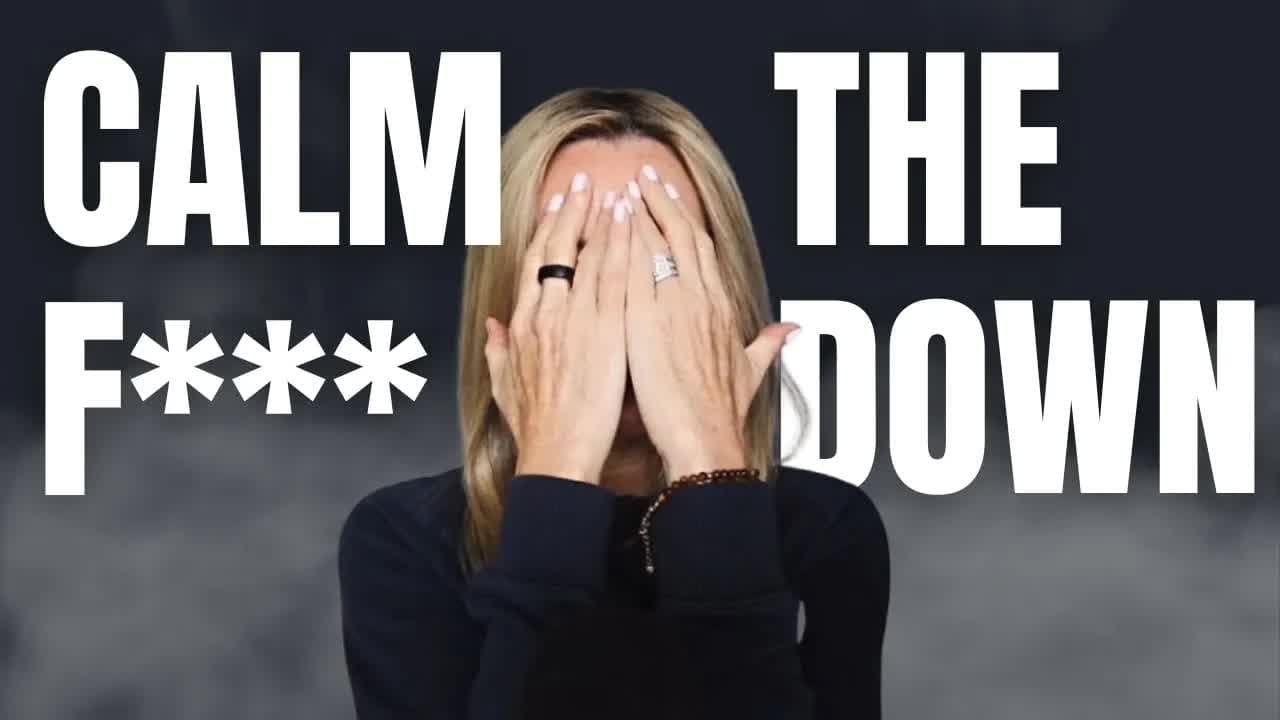
"If there's one thing ADHDers need to learn to do, it's calm the F down so they can increase access to their executive function"
"You're almost afraid to stop because you know if you stop it's going to be so hard to get started again"
How to apply: Set 3 alarms today (morning, noon, evening) and each time ask yourself: "Am I hungry? Tired? Thirsty?" This is interoception training.
2. Why a 'Tolerations List' Is the First Step to Preventing Burnout
The first step of energy management is surprisingly simple. Grab a pen (or open a voice recording app) and list everything in your life that drains energy. Interfering in-laws, an overly demanding boss, cluttered spaces, mental chaos, digital clutter -- write it all down regardless of whether you can control it. In coaching, these are called "tolerations."
The key is to remove one each week, starting with the easiest. You cannot eliminate difficult in-laws overnight, but you can clean out that overflowing drawer or make that call you have been putting off. These "low-hanging fruit" gradually reduce your energy drain list, creating a tangible increase in available energy.
An important distinction: things that "give" energy versus things that "buffer" energy are different. Buffering means actions you take to hide from overstimulation -- scrolling Instagram, binge eating, drinking. These leave you feeling worse afterward. Distinguishing between true energy-charging activities and mere buffering is the core of ADHD self-care.
If you prefer audio processing, voice-record your thoughts and then feed them into AI (like ChatGPT) to organize them into two lists.
"Imagine what your life would be like if you were no longer doing or participating in or being exposed to things that drained you. Imagine how much energy you would have."
"Would you rather have a little bit of tedium that's going to make your life a lot better, or would you rather have cycles of exhaustion and burnout?"
How to apply: Right now, take a sheet of paper, divide it in half vertically. Write "Energy Drains" on the left and "Energy Charges" on the right. List at least 10 each, excluding buffering behaviors.
3. One Energy-Charging Activity Per Day Is the Mechanism That Breaks the Burnout Cycle
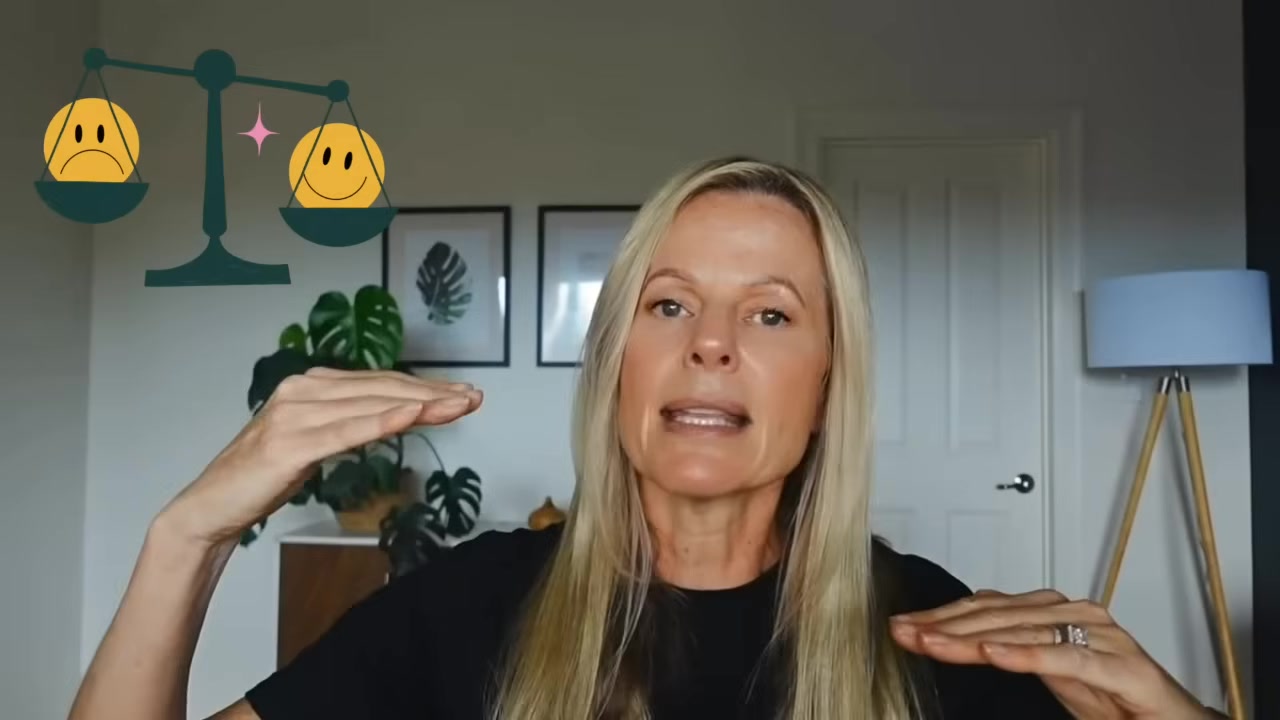
The essence of burnout is simple: burning through all your energy and never refilling it. Once the engine burns out, recovery takes about 6 weeks. The rule to break this cycle is surprisingly straightforward -- do at least one energy-charging activity every single day.
What charges energy is completely different for each person. Spending time with a pet, talking to a specific friend, walking in nature, sitting in the most peaceful spot in your home, even playing video games -- if it makes you feel genuinely better afterward, it belongs on your charge list. If you feel regret afterward, that is buffering, not charging.
This strategy works because it operates in two directions simultaneously. Removing one toleration per week (plugging energy leaks) plus adding one charge activity per day (increasing energy inflow) naturally reduces the probability of burnout. Over time, self-awareness about what drains and charges you builds, enabling more intentional decisions.
How to apply: Starting this week, before bed each night, record one energy-charging activity you did today in your phone's notes app. After one week, identify which activities were most effective.
4. 'Success Leaves Clues' -- Reverse-Engineering Energy Management from Your Own Past
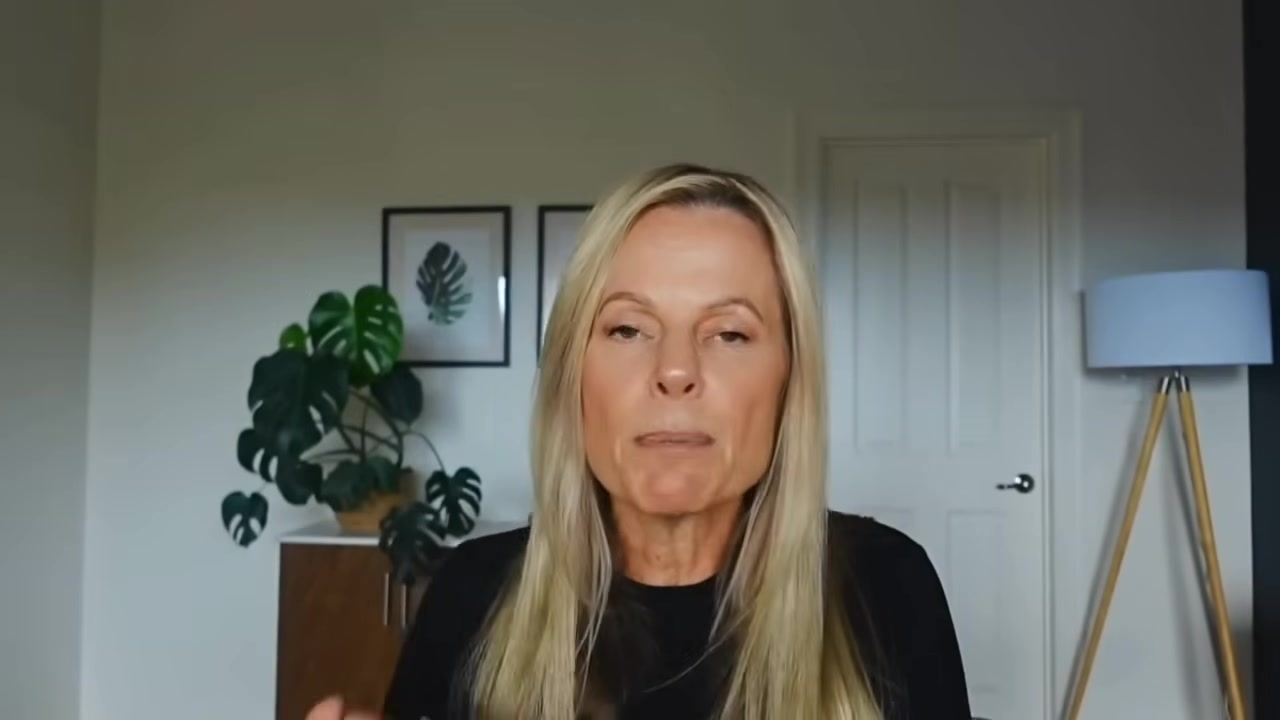
There is more reliable data than anyone else's success secrets -- your own past self. Think back to a period when everything was working well. When your career was smooth, grades were good, relationships felt deeply connected. What was your environment like then? More importantly, what were you doing differently?
Dig into specifics. Were you exercising daily? Managing your diet? Getting quality sleep because of blackout curtains? Focus on what you could control. How were you taking care of yourself? What attitude did you start each day with?
The goal is to immerse in past success and embed those elements into identity and habit. Since you are recreating what actually worked for you rather than copying someone else's routine, the success rate is much higher.
"Success leaves clues, and we don't want to look at other people's success. We want to look back at our own successes, because everybody's recipe for success is different."
How to apply: Write down your "best period in life" and note the sleep patterns, exercise, diet, relationships, and work environment from that time. Pick 2 elements you can reintroduce and start this week.
5. Real Self-Care Is Not Bubble Baths -- It Is Addressing Your Unmet Needs
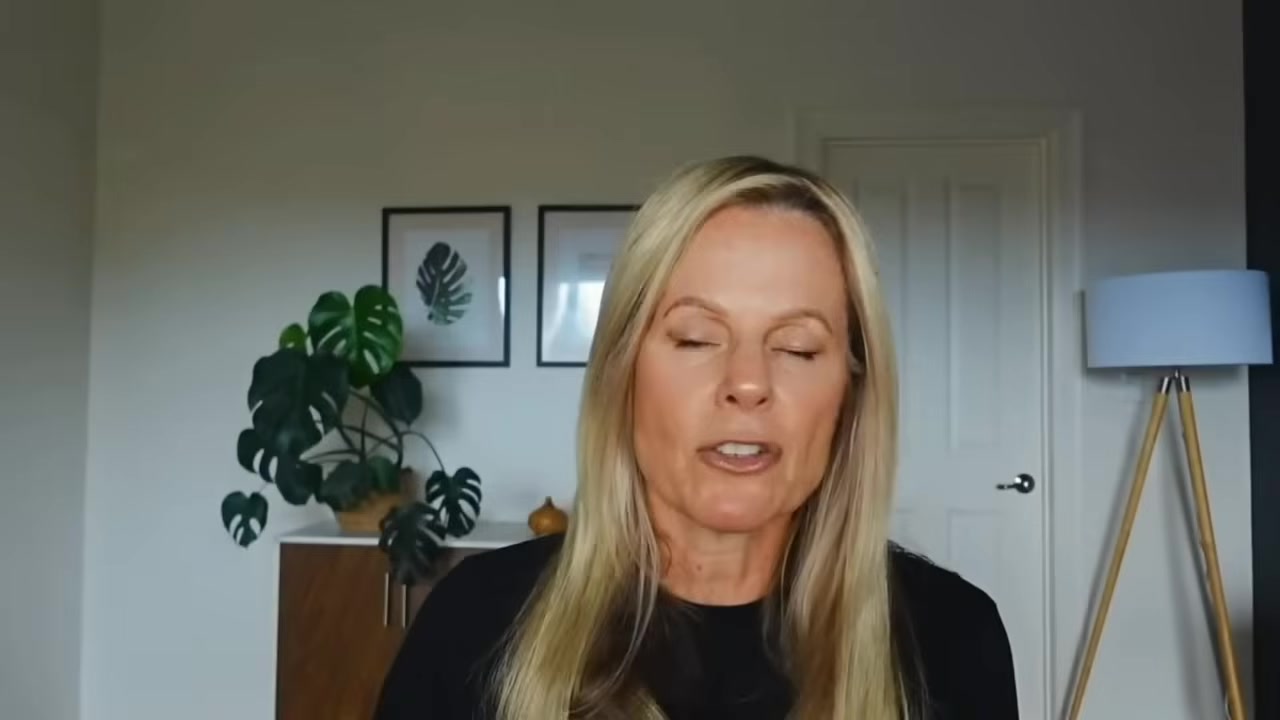
The self-care promoted on social media and the self-care people with ADHD actually need are completely different. Bubble baths and nail art? If they charge your energy, fine. But the essence of ADHD self-care is actually doing the energy management exercises above and making time to apply them to your life.
The core philosophy: self-care is simply the process of addressing your own unmet needs. And no one knows what those needs are better than you. Someone else's self-care prescription might not fit you at all. All the previous exercises -- energy drain lists, energy charge lists, past success analysis -- are ultimately about gathering ingredients to write your own self-care prescription.
The ultimate goal is to intentionally build a life environment and community that supports you. Gradually shift from energy-draining environments to energy-giving ones, from destructive relationships to supportive ones.
"A self-care practice is simply a process of addressing your own unmet needs, and nobody knows what those needs are better than you do."
How to apply: List your current "self-care" activities and mark each with "energy charge: yes/no." If many are "no," it is time to replace them with activities that genuinely charge you.
Action Checklist
Do today:
- Set 3 daily alarms for interoception check-ins: "Am I hungry? Tired? Thirsty?"
- Create "Energy Drains" vs "Energy Charges" lists with at least 10 items each
- Do one energy-charging activity today and note it
This week:
- Remove the easiest toleration from your energy drain list (clean a drawer, make a postponed call)
- Analyze your "best period" environment: sleep, exercise, diet, relationships
- Review current "self-care" activities: distinguish genuine charging from buffering
Long-term:
- Maintain the habit of removing one toleration per week for 3+ months
- Recreate at least 2 elements from your best period in your current life
- Complete your personalized "energy prescription" through energy management journaling
Reference Links
References
- ADHD Energy Management: End the Battle of Burnout & Exhaustion - Caren Magill | ADHD Coach + Multipotentialite (14:18)
Related Tools
| Tool | Purpose | Price | Link |
|---|---|---|---|
| Self-Care for People with ADHD (Book) | By Dr. Sasha Hamdani, 100+ ADHD-tailored self-care tips. Goodreads 3.76/5 (1,941 ratings) | 13.99 USD (hardcover) | Visit |
| ChatGPT / AI voice transcription | Convert voice recordings to text and auto-sort energy drain/charge lists | Free to 20 USD/month | Visit |
| Distraction to Action (coaching program) | Caren Magill's ADHD coaching program covering 5 lifestyle pillars | Paid (self-paced) | Visit |
Related Resources
- Executive function deficits mediate the relationship between employees' ADHD and job burnout (Article) - 2024 field study on executive function deficits and burnout in ADHD workers
- ADHD Burnout: Cycle, Symptoms, and Causes (ADDA) (Article) - ADDA guide to the ADHD burnout cycle
- Diminished Interoceptive Accuracy in ADHD: A Systematic Review (Article) - 2025 systematic review on reduced interoceptive accuracy in ADHD
Fact-check Sources
- ADHD reduces interoceptive awareness of hunger, fatigue, and thirst -> https://onlinelibrary.wiley.com/doi/10.1111/psyp.14750
- Higher arousal states reduce access to executive function -> https://thrivingwithadhd.com.au/emotional-dysregulation/
- Burnout recovery takes approximately 6 weeks -> https://add.org/adhd-burnout/
Questions to Consider
What is draining the most energy from your life right now, and which of those is the easiest to address this week?
When was the last time everything was going well, and what habits did you have during that period?
Among your current "self-care" activities, are there any that actually leave you feeling worse afterward?
Key Takeaways
- 1Set 3 daily alarms for interoception check-ins: "Am I hungry? Tired? Thirsty?"
- 2Create "Energy Drains" vs "Energy Charges" lists with at least 10 items each
- 3Do one energy-charging activity today and note it
- 4Remove the easiest toleration from your energy drain list (clean a drawer, make a postponed call)
- 5Analyze your "best period" environment: sleep, exercise, diet, relationships
- 6Review current "self-care" activities: distinguish genuine charging from buffering
- 7Maintain the habit of removing one toleration per week for 3+ months
- 8Recreate at least 2 elements from your best period in your current life
- 9Complete your personalized "energy prescription" through energy management journaling
Want to read this later?
Save this insight to access it anytime
Original Video
ADHD 직장인 58%가 겪는 번아웃, 에너지 관리 3단계로 끊어내는 법