Lesson 7 / 7 in Sales & Monetization
3 Secrets of a 24-Year-Old Solo Founder Who Turned 500 USD Into 2.3 Million USD in Revenue
TL;DR
A nursing student battling anxiety disorder started a mental health clothing brand with 500 dollars, achieved 2.3 million dollars in revenue with zero advertising spend, and had all five Shark Tank investors tell her she did not need their money.
3 Secrets of a 24-Year-Old Solo Founder Who Turned 500 USD Into 2.3 Million USD in Revenue
One-Line Summary
A nursing student battling anxiety disorder started a mental health clothing brand with 500 dollars, achieved 2.3 million dollars in revenue with zero advertising spend, and had all five Shark Tank investors tell her she did not need their money.
Key Numbers & Data
| Metric | Value | Context |
|---|---|---|
| Initial investment | 500 USD | Entire bank account balance used to buy a printer and sticker-cutting machine |
| Cumulative revenue | 2.3 million+ USD | Total revenue achieved solo in approximately 2.5 years |
| Single drop revenue | 260,000 USD/24hrs | Revenue from one product drop in a single day |
| Year-to-date revenue | 790,000 USD | Mid-year YTD revenue |
| Cash on hand | 450,000 USD | Bank balance after a recent drop |
| Margin (crewneck) | 65% | Retail 60 USD / landed cost 21 USD |
| Employees | 1 (herself) | All operations run solo |
| Advertising spend | 0 USD | Pure organic growth through social media community |
Background: Why This Matters
Mental health is no longer a topic to hide. One in five American adults experiences mental health issues, and 17% of youth aged 6 to 17 face mental health challenges. Yet many still feel shame about expressing their emotions. Against this backdrop, an idea emerged: expressing mental health through what you wear.
The global wellness market is worth 2 trillion dollars, growing at over 10% annually. Within it, "therapeutic fashion" -- mindfulness bracelets, aromatherapy clothing, sensory-friendly materials -- is a fast-growing category. Combined with the DTC (Direct-to-Consumer) drop model, community-driven brands can now generate millions in revenue without traditional distribution.
Sophie Nistico's case was born at the exact intersection of two trends: growing mental health awareness and DTC community commerce. A nursing student transformed her anxiety disorder experience into a brand and built a multi-million dollar business purely through social media community.
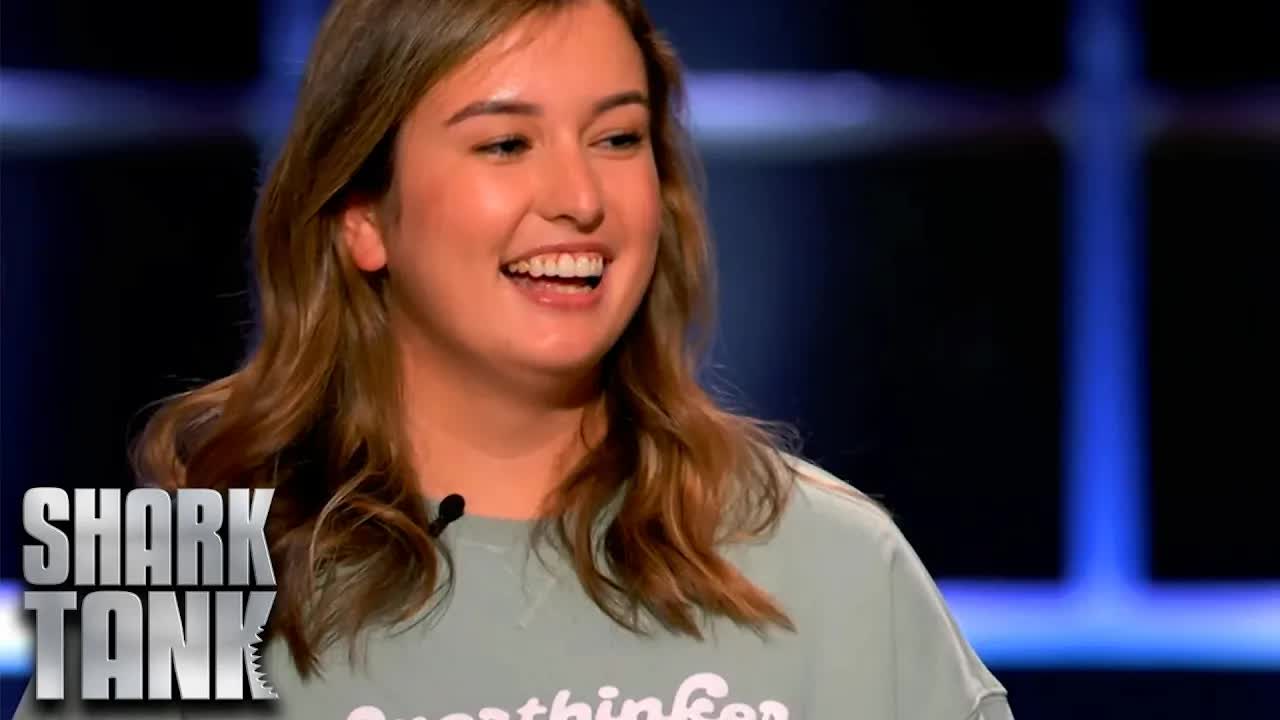
Sophie Nistico is a young entrepreneur from Connecticut who suffered from 15 to 20 chronic migraines per month starting at age 15, along with severe anxiety disorder. While enrolled in nursing school, her anxiety worsened, forcing a switch to part-time studies. During that freed-up time, she rediscovered her childhood love for art and founded See The Way I See in 2020 with 500 dollars. She was 24 at the time of the show appearance.
Key Insights
1. The Power of 500 Dollars: Starting Beats Waiting for Perfection
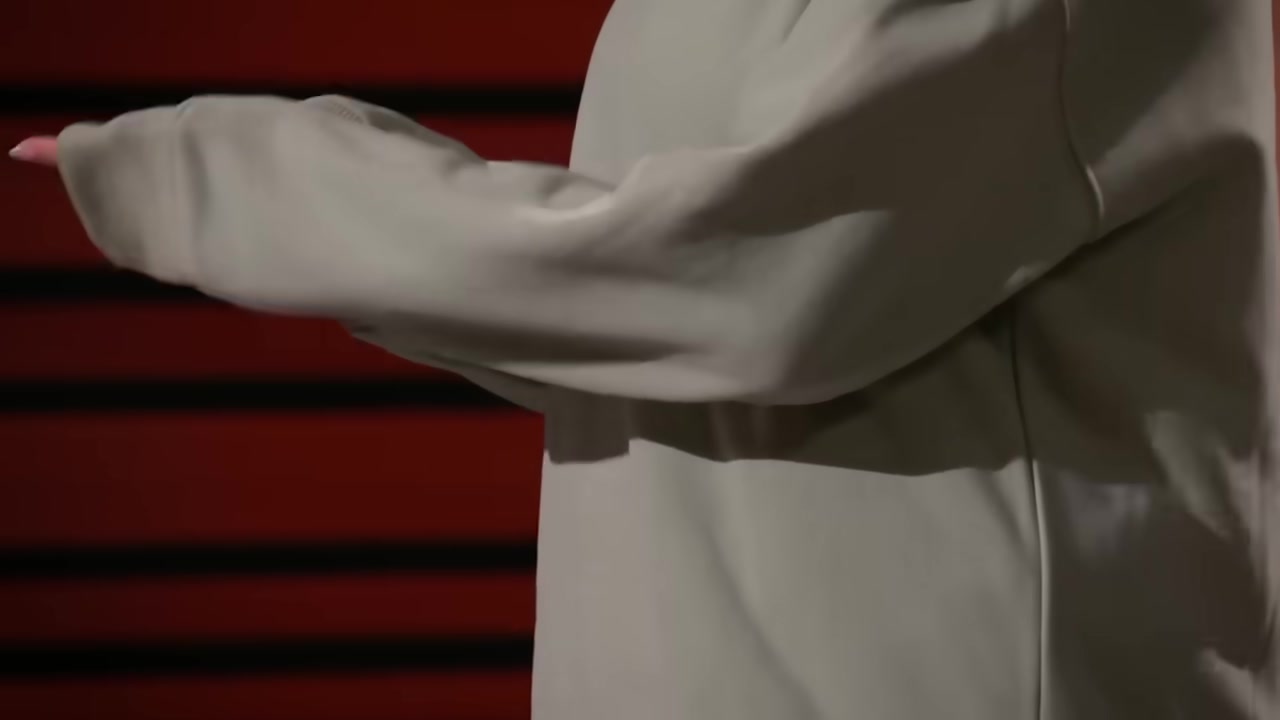
Sophie had always been passionate about helping others. She entered nursing school dreaming of becoming a nurse, but anxiety disorder that started in high school worsened during her sophomore year, forcing a switch to part-time.
Here is where the interesting pivot happened. With the extra time from reduced coursework, she picked up drawing again -- something she had loved since age 10. She took the entire 500 dollars in her bank account, bought a printer and sticker-cutting machine, and started making stickers with mental health messages.
Many people believe you need "sufficient capital," a "perfect business plan," and "relevant experience" to start a business. Sophie had none of these. What she had was urgency about a problem she personally experienced, and the creativity to express it. She reinvested sticker profits and eventually ordered her first 100 crewneck sweatshirts, expecting them to take 2 to 4 months to sell. They sold out in two days.
"I took the 500 dollars that I had in my bank account. I bought a printer, a sticker-cutting machine."
"I thought it was going to take at least two to three to four months to sell 100 sweatshirts. But to my surprise, it only took two days."
How to apply: Create a minimum viable product (stickers, PDFs, digital goods) with whatever capital and skills you have right now. Test the response on social media. The key is not a perfect product but a message that resonates with a real problem.
2. Community Is Marketing: The Zero-Ad-Spend Organic Growth Strategy
This is what shocked the investors most. When asked how much she spent on advertising, Sophie's answer was emphatic: "None. None. None." She repeated it three times. She generated 790,000 dollars in YTD revenue without spending a single cent on ads.
The secret was community. Sophie had been using social media since its earliest days and naturally grew a following on her art-sharing page "See the Way I See." The key was that she focused on sharing, not selling. By sharing her mental health experiences, her daily battle with anxiety, and the artwork created through that process, people with similar struggles naturally gathered.
The real power of this community-driven model is proven by numbers. 72% of consumers who participate in DTC brand product drops report increased brand affinity, and more than half express high interest in future drops. In Sophie's case, a single drop generated 260,000 dollars in revenue within 24 hours -- not through paid advertising, but through organic word-of-mouth and anticipation from her community.
After the show aired, revenue increased 300% and the brand expanded internationally to France, Germany, Australia, Mexico, and Italy -- all driven organically by the community.
"Are you spending a lot of money on advertising or not? None. This is pure community."
"Be who you are to your community and your community will grow with it."
How to apply: Build a community around your story before building a product. Start with empathy-driven content rather than sales pitches. Launch your first product only when the community has matured enough to support it.
3. The Monthly Drop Strategy: How to Generate 260,000 USD in 24 Hours
The smartest part of Sophie's business model is the "drop model." Instead of always having products available, she releases limited quantities once a month at a set time. Three elements make this strategy work.
First, scarcity creates demand. When products are always available, people think "I will buy it later." With drops, it becomes "if I don't buy now, it's gone forever." This is exactly why a single drop can generate 260,000 dollars in 24 hours. FOMO (Fear of Missing Out) is one of the most powerful purchase triggers in consumer psychology.
Second, inventory risk is virtually eliminated. With crewneck costs at 21 dollars and retail at 60 dollars, margins are 65%. Hoodies cost 25 dollars and retail at 75 dollars for 67% margins. Because production quantities are pre-determined and nearly everything sells out, there is no dead stock to worry about.
Third, community engagement stays high. Each drop brings new designs and new messages, keeping followers consistently interested. This aligns perfectly with research showing 72% of drop participants develop stronger brand affinity. Sophie executed this intuitively, without formal business education.
"I'm trying to do a drop a month. Rather than having something for sale all the time, you make an announcement on social media."
How to apply: Instead of always-on sales, test 1 to 2 limited drops per month. Share teaser content starting 2 weeks before the drop and create urgency with a countdown on drop day.
4. Why All 5 Investors Said 'Don't Take Our Money': When Outside Capital Becomes Poison

Normally, getting rejected by investors means failure. This case was completely different. All five investors were impressed by Sophie's results but declined because they felt "there's nothing we can add." One investor even said "I would not feel good taking a percentage of your company."
The crucial business insight came from Mark Cuban's advice: "Let your community grow your business. Not a team." His reasoning was that hiring a team makes you act like a traditional company, and people assume that is what businesses should do. But for a community-driven brand, that "traditional approach" can actually be poison.
Sophie did not receive an investment offer, but gained tremendous confidence from the experience. Her words afterward -- "After today, I really feel as though I can almost do anything" -- capture this perfectly. A 24-year-old solo founder with 500 dollars at the start, 2.3 million dollars in revenue, and 450,000 dollars cash in the bank. That is a stronger position than most funded startups.
After the show, revenue grew 300% and the brand expanded to 5 countries -- proving that growth without investment, or perhaps because of no investment, can be healthier. Operating at her own pace alongside her community, without external investor pressure, actually works.
"I would not feel good taking a percentage of your company. I don't think you need it."
"Let your community grow your business. Not a team. Because when you bring in a team, you try to act like an old-school business."
How to apply: Before seeking outside investment, ask yourself: do I truly need this capital, or am I following the assumption that "businesses are supposed to raise money"? If you can grow through bootstrapping, reinvesting profits without equity dilution may be the better path.
5. Why Anxiety Disorder Became the Best Branding: Vulnerability = Authenticity = Revenue
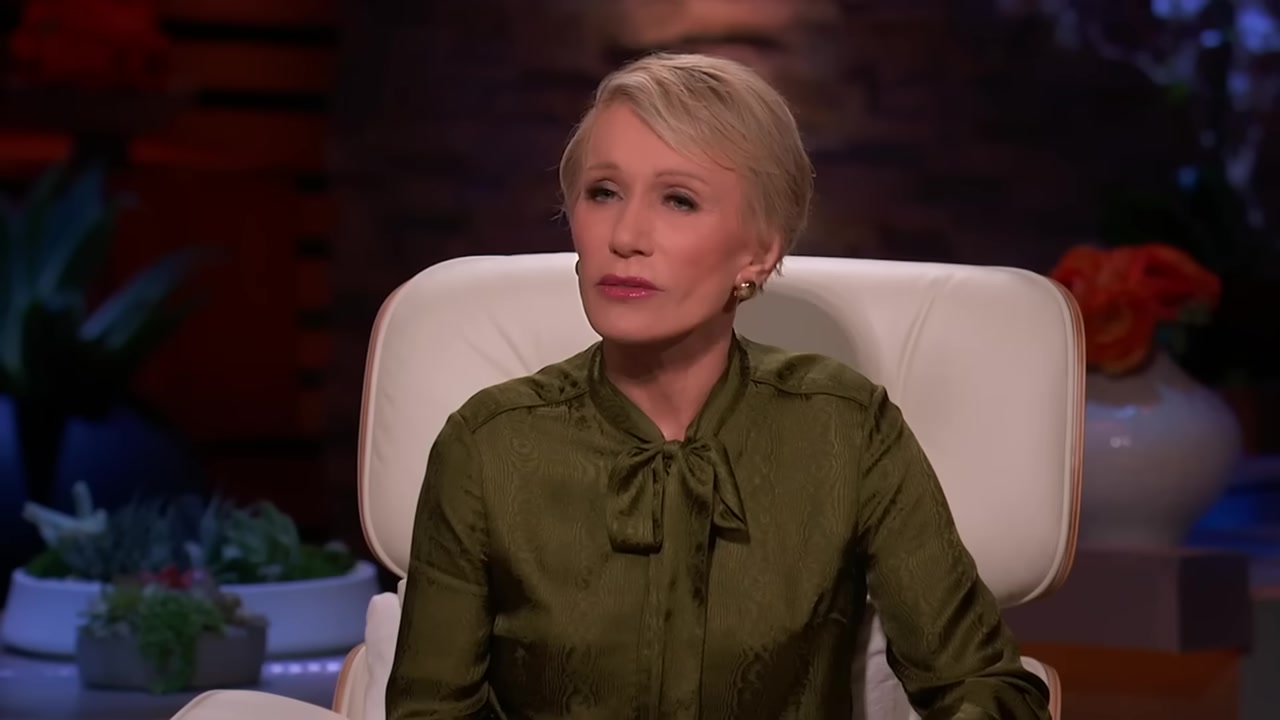
Kevin O'Leary's words to Sophie hit the mark: "Your greatest strength is your vulnerability." In business, vulnerability is usually considered a weakness to hide. But in Sophie's case, her anxiety disorder experience became the brand's DNA.
Why does this work? The core is authenticity. When Sophie talks about mental health, it is not a marketing message -- it is her life story. Migraines 15 to 20 times a month starting at 15, dropping out of nursing school, battling anxiety. All of these experiences give weight to phrases like "This too shall pass" embroidered on her sleeves. Consumers can feel the difference.
What makes it even more compelling is that Sophie appeared confident and bright throughout her pitch. Kevin noted it was hard to believe she was the most anxious person in the room. But Sophie repeated twice: "You have no idea." Being outwardly confident while struggling intensely inside -- that contrast was itself the exact message the See The Way I See brand communicates.
This kind of vulnerability marketing is not mere emotional marketing. One in five US adults experiencing mental health issues means Sophie's potential customer base is 20% of the adult population. And those people show far stronger loyalty to brands that understand their experience. She is not just selling attractive hoodies -- she is selling the experience of belonging to a community that understands you.
"Your greatest strength is your vulnerability."
"After today, I really feel as though I can almost do anything."
How to apply: Do not hide your failures, struggles, and weaknesses -- use them as content material. For community-driven businesses, positioning as "a fellow person going through the same thing" is far more powerful than posing as an untouchable expert.
Action Checklist
Do today:
- Write down 3 personal problems/struggles that could become business ideas
- Write your first honest, vulnerable post on social media about one of those experiences
- Brainstorm the minimum viable product you could create with your current resources (stickers, digital goods, etc.)
This week:
- Research social media platforms where your target community gathers and create an account
- Create 1 product prototype and get feedback from 10 people you know
- Research 5 reference cases of the drop model (Supreme, Palace, KITH, etc.)
Long-term:
- Establish a monthly drop calendar and execute your first drop (within 3 months)
- Reach 1,000 community members before launching your first product
- Operate for 6 months reinvesting 70% of revenue without outside investment
Reference Links
References
- Shark Tank US | See The Way I See Entrepreneur Values Mental Health In Her Product - Sony Pictures Television (10:17)
Related Tools
| Tool | Purpose | Price | Link |
|---|---|---|---|
| See The Way I See | Mental health awareness apparel brand founded by Sophie Nistico, featuring positive affirmations on sleeves | Crewneck 60 USD, Hoodie 75 USD, Accessories 10-25 USD | Visit |
| NAMI | National Alliance on Mental Illness, mental health nonprofit partnering with See The Way I See | Nonprofit | Visit |
| American Migraine Foundation | Migraine-related foundation Sophie collaborates with based on personal experience | Nonprofit | Visit |
Related Resources
- Why Mark Cuban, Shark Tank investors rejected See The Way I See apparel (Article) - CNBC detailed analysis of why all investors declined
- Product Drops: 8 Strategies, 5 Benefits & 27 Examples (2026) (Article) - Comprehensive guide to drop model strategies and case studies
- See The Way I See Shark Tank Update 2026 (Article) - Post-show brand growth update
- Mental Health Fashion Trends 2025 (Article) - Mental health fashion trend analysis and market outlook
Fact-check Sources
- Cumulative revenue over 2.3 million USD → https://www.cnbc.com/2023/05/08/why-mark-cuban-shark-tank-investors-rejected-see-the-way-i-see-apparel.html
- Started with 500 USD → https://seethewayisee.com/pages/about-see-the-way-i-see
- Zero ad spend organic growth → https://www.cnbc.com/2023/05/08/why-mark-cuban-shark-tank-investors-rejected-see-the-way-i-see-apparel.html
- 300% revenue increase after show → https://sharktankrecap.com/see-the-way-i-see-update-shark-tank-season-14/
Questions to Consider
Do you have an experience you considered a weakness that could actually be the basis for deep empathy with others -- just like Sophie?
If you could start a business right now with 500 dollars, what is actually stopping you?
What would change if you converted your product or service from "always available" to "limited opportunity"?
Key Takeaways
- 1Write down 3 personal problems/struggles that could become business ideas
- 2Write your first honest, vulnerable post on social media about one of those experiences
- 3Brainstorm the minimum viable product you could create with your current resources (stickers, digital goods, etc.)
- 4Research social media platforms where your target community gathers and create an account
- 5Create 1 product prototype and get feedback from 10 people you know
- 6Research 5 reference cases of the drop model (Supreme, Palace, KITH, etc.)
- 7Establish a monthly drop calendar and execute your first drop (within 3 months)
- 8Reach 1,000 community members before launching your first product
- 9Operate for 6 months reinvesting 70% of revenue without outside investment
Want to read this later?
Save this insight to access it anytime
Original Video
500달러로 시작해 230만 달러 매출을 만든 24살 1인 창업가의 3가지 비밀