Lesson 3 / 46 in Mindset & Wellness
72% of Founders Face Mental Health Crises: 5 Burnout Escape Methods from 3 Mental Health Experts

TL;DR
Despite depression being a top-5 cause of disability worldwide, 77% of startup founders do not seek professional help -- three mental health experts cover everything from early burnout warning signs to concrete ways people around you can help.
72% of Founders Face Mental Health Crises: 5 Burnout Escape Methods from 3 Mental Health Experts
One-Line Summary
Despite depression being a top-5 cause of disability worldwide, 77% of startup founders do not seek professional help -- three mental health experts cover everything from early burnout warning signs to concrete ways people around you can help.
Key Numbers & Data
| Metric | Figure | Context |
|---|---|---|
| Founder Mental Health Issue Rate | 72% | 72% of founders experience anxiety, burnout, or depression (2024 survey) |
| Depression Prevalence (General) | 20% | 1 in 5 people will experience major depression at least once in their lifetime |
| Adult Anxiety Disorder Rate | 18.1% | Approximately 1 in 5 US adults have an anxiety disorder |
| Youth Anxiety Disorder Rate | 33% | 1 in 3 adolescents aged 12-18 experience an anxiety disorder |
| Founder Burnout Rate (1 Year) | 54% | Over half of founders experienced burnout in the past 12 months (2024) |
| Not Seeking Professional Help | 77% | More than 3/4 of founders with mental health issues do not seek professional help |
Background: Why This Matters
Mental health has long been the "unspoken problem" in the startup world. Under pressure for high performance, uncertain income, and endless workloads, founders cannot afford to examine their own state. According to Sifted's 2024 survey, 54% of founders experienced burnout in the past year and 75% experienced anxiety symptoms.
The problem does not stop at simple "stress." According to UC San Francisco research, founders are 50% more likely to report mental health issues than the general population. Dr. Freeman's study found that 49% of founders have at least one mental health condition including depression, anxiety, or ADHD. Octopus Ventures' analysis shows 65% of startup failures stem from internal conflicts or founder burnout.
Yet founders who seek help are the minority. 77% of founders with mental health issues do not receive professional help, primarily because of stigma -- the cultural pressure to be strong and the fear of appearing weak create a vicious cycle.
This content is part of Techstars' "Entrepreneurship & Mental Health" series, featuring psychiatrist Dr. George Iliopoulos, licensed psychologist Jean Ross Meredith, and psychologist Janine Deanna. Techstars, one of the world's largest startup accelerators, actively supports founder mental health under its "Founder First" philosophy.
Key Insights
1. Burnout Starts with Work Overload and Escalates to Depression
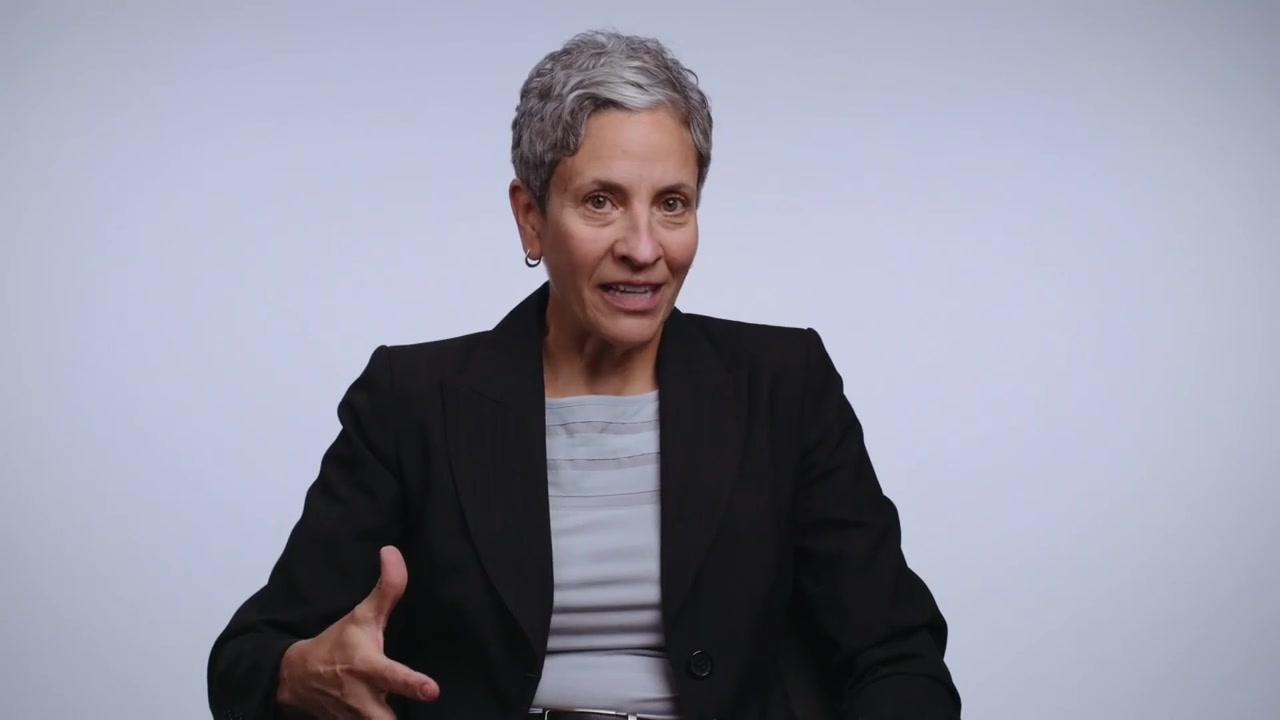
In the high-performance startup environment, not taking care of yourself is practically the default. Ignoring problems and pushing through is normalized. While this drive sometimes fuels creativity and innovation, it simultaneously accumulates enormous psychological stress that can lead to burnout.
Burnout is related to anxiety and depression but is technically a different concept. It specifically arises in the workplace when there is a gap between the amount of work demanded and the resources actually available to execute. The core feeling is constantly "falling behind."
The crucial point is that burnout does not stay isolated. The feeling of "not keeping up" can expand into anxiety, and anxiety into depression. The 2024 founder survey showing 54% experiencing burnout and 75% experiencing anxiety symptoms demonstrates this connection. According to Octopus Ventures, 65% of startup failures originate from internal conflicts or founder burnout.
"Burnout is usually related to the workplace specifically where there is this demand for work to produce and resources kind of don't always meet the demand to be able to execute the product."
"Someone can constantly feel behind -- that's the essence of burnout."
How to apply: Honestly assess whether what you feel is simple work fatigue or burnout affecting your entire daily life.
2. "Nothing Feels Enjoyable" Is the Most Dangerous Signal
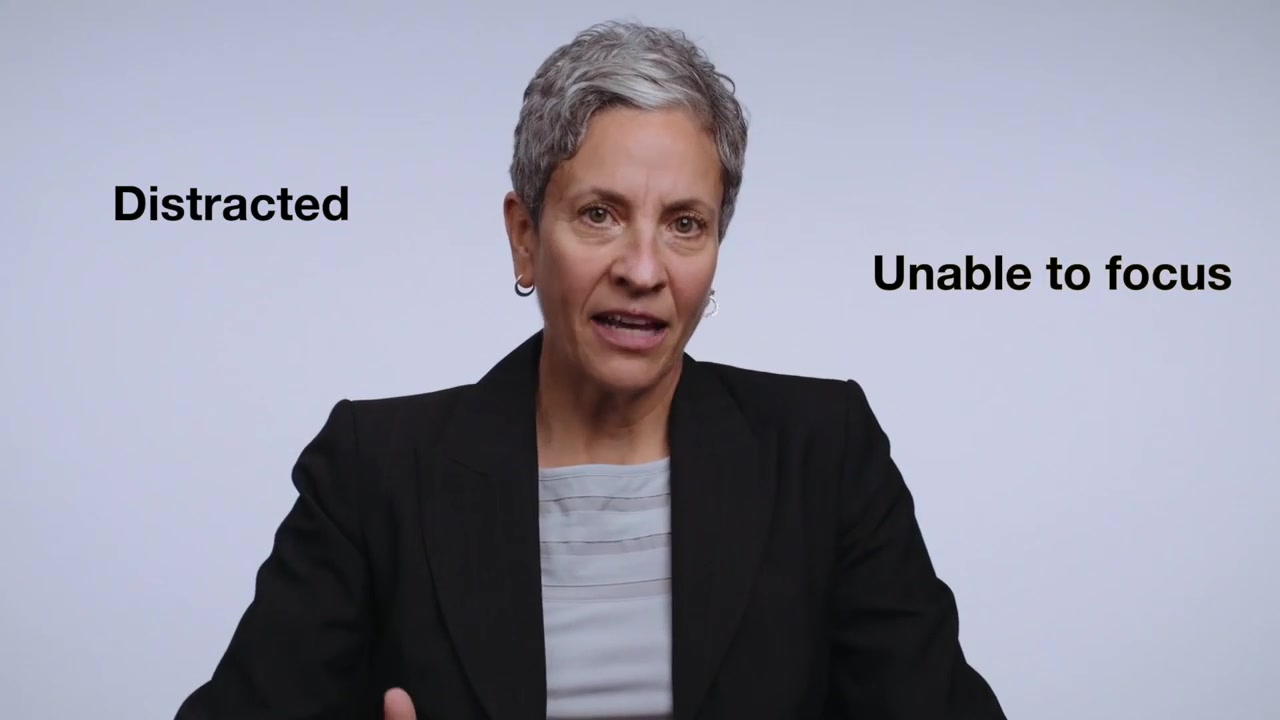
Let us start with how common depression is. Depression ranks among the top 5 causes of disability worldwide -- on the same level as heart disease and diabetes. 1 in 10 people experienced depression in the past year, and 20% of the entire population -- 1 in 5 -- will experience major depression at least once.
Early warning signs look surprisingly ordinary. Sleep disturbance appears first, but many dismiss it since occasional insomnia is common. When it becomes chronic and persistent, however, it is a clear danger sign. Reduced concentration and loss of pleasure in relationships follow.
Here is a critically important keyword: Anhedonia. It literally means "inability to experience pleasure." About 70% of depression patients exhibit this symptom, and according to the Cleveland Clinic, anhedonia alone -- even without depressed mood -- can qualify for a depression diagnosis. Pleasure drives us forward, helps us make decisions, and propels us toward goals. When that fuel disappears, even the most willful person finds it extremely difficult to push forward.
"Anhedonia is an inability to experience pleasure... it's what drives us forward, helps us to make decisions, go towards goals, and if nothing feels good it can be really hard to push yourself forward."
How to apply: Reflect on the past 2 weeks -- have you felt pleasure in activities you usually enjoy (exercise, hobbies, socializing)? If pleasure has decreased, consider professional consultation.
3. Headaches and Stomachaches May Actually Be Evidence of Anxiety Disorder
18.1% of adults have an anxiety disorder, and a staggering 33% of adolescents aged 12-18 experience anxiety disorders. Narrowing to founders, over 50% report experiencing anxiety.
What makes anxiety frightening is that it is not just the mind suffering -- the body reacts first. Unexplained stomachaches, chronic headaches, trembling and restlessness, feeling overwhelmed -- if these symptoms recur, they may be anxiety disorder signals, not simple fatigue. In severe cases, panic attacks can feel like a heart attack.
The boundary between "normal stress" and "anxiety requiring treatment" comes down to how much it affects daily functioning. Experts evaluate this through the ability to "live, love, laugh, and learn." If you can still work but other areas of daily life are crumbling, you have already crossed the line.
Founders tend to convince themselves "I'm fine" while ignoring their body's signals. CEREVITY's 2025 survey calls this "Shadow Burnout" -- appearing to perform well externally while internally experiencing exhaustion, cynicism, and declining efficacy. 73% of California tech founders report experiencing this shadow burnout.
"The difference between normal stress and anxiety is really about the level of impact -- if it's interfering with your ability to live, love, laugh and learn."
How to apply: If you have recurring physical symptoms (headaches, stomachaches, insomnia), do not dismiss them as "just stress." Log them. If they persist for 2+ weeks, see a professional.
4. Silence from Those Around You Deepens Burnout

Stigma around mental health issues remains powerful. In startup culture, deep-rooted norms like "keep going," "this is nothing," and "I can handle it" make saying "I'm struggling" feel like a confession of weakness.
But the bigger problem is the silence of those around. Family, friends, and partners notice burnout but hesitate to speak up, fearing they would be intruding or adding more stress. The result is a vicious cycle where nobody talks and the person does not receive help. 77% of founders with mental health issues not seeking professional help -- the biggest reason is this very stigma.
The experts' suggested approach is surprisingly simple. Instead of directly pointing out "you have burnout," invite balance. For example: "Can we grab lunch today? Just for an hour?" Express genuine concern honestly but not intrusively. When safety is genuinely at risk, do not try to carry that responsibility alone -- share it with others or contact professional services.
"There is no shame in being burnt out."
"Rather than talk about how hard they're working, how they're never there -- maybe we invite: I'd love to have lunch with you today, is there any way you could meet me for an hour?"
How to apply: If someone around you is excessively absorbed in work, suggest a casual meal or coffee this week. Start by offering "time together" rather than direct advice.
5. The Moment You Admit You Are Not Perfect, Recovery Begins
The most important turning point is admitting "I am not perfect." Accepting that you might be struggling and that your current approach might not be working. Experts say showing this vulnerability is not weakness but rather the first step to "replenishing" yourself.
The surprising finding is that after this admission and beginning to restore balance, you can return to work in an "even more powerful way." This is not just comfort -- it is backed by research. Founders who regularly rest and care for their state make better long-term decisions and lead teams more effectively.
Human history itself is filled with stories of people who emerged from very dark places and created something good from it. You can be the protagonist of such a story too. The key is not trying to endure alone. If you are struggling, get help -- the process leads to improvement.
Techstars operates the "Kabila Mental Health Fund" providing free therapy to founders, and programs like Conscious Ambition's "Tools4Founders" offer resources for founder mental health awareness. The door to help is closer than you think.
"I think often the key is to admit that we're not perfect, that we might be struggling and show vulnerability in that way so that we can then actually replenish ourselves."
How to apply: Tell one person you trust honestly about your current state. Experiencing that it is okay to not be perfect is the first step.
Action Checklist
Today:
- Rate your current stress level 1-10 and write it down
- Reflect on whether you felt pleasure in any activity over the past 2 weeks
- Start logging recurring physical symptoms (headaches, stomachaches, insomnia)
This week:
- Suggest a casual meal to a colleague or friend who is overworking
- Assess sleep patterns -- if you sleep 7+ hours fewer than 5 days per week, make an improvement plan
- Check Techstars Entrepreneur's Toolkit mental health section (toolkit.techstars.com)
Long-term:
- Establish a quarterly "mental health check-in" habit (self-assessment + professional consultation if needed)
- Set one mandatory personal day off per month, including digital detox
- Join a founder peer support group (platforms like Econa, Zant)
Reference Links
Source Material
- Entrepreneurship & Mental Health: Expert Perspectives - Techstars (7:38)
Related Tools
| Tool | Purpose | Price | Link |
|---|---|---|---|
| Techstars Entrepreneur's Toolkit | Online educational resource covering startup basics to mental health | Free | Visit |
| Kabila Mental Health Fund | Free therapy grants for founders who cannot afford therapy | Free (founder grants) | Visit |
| Headspace | Guided meditation, mindfulness, stress management | 12.99 USD/mo | Visit |
| Calm | Sleep stories, meditation, breathing exercises | 14.99 USD/mo | Visit |
Related Resources
- 17 Mental Health Statistics for Entrepreneurs (article) - Comprehensive founder mental health statistics report
- Tech Founder Burnout Statistics 2025 (article) - 73% of tech founders experiencing "shadow burnout"
- A Journey to Mental Wellness (Techstars Series) (video) - Techstars founder mental health 4-part series
- Entrepreneurs, Stress & Depression (Harvard Business School) (article) - HBS guide on entrepreneur stress
Questions to Consider
Have you recently felt "nothing is enjoyable"? Consider whether that is simple fatigue or a deeper signal.
If someone around you shows signs of burnout, why have you not brought it up until now? How could you approach them this week?
If you truly accepted "it is okay not to be perfect" tomorrow morning, what would be the first thing you would want to change?
Key Takeaways
- 1Rate your current stress level 1-10 and write it down
- 2Reflect on whether you felt pleasure in any activity over the past 2 weeks
- 3Start logging recurring physical symptoms (headaches, stomachaches, insomnia)
- 4Suggest a casual meal to a colleague or friend who is overworking
- 5Assess sleep patterns -- if you sleep 7+ hours fewer than 5 days per week, make an improvement plan
- 6Check Techstars Entrepreneur's Toolkit mental health section (toolkit.techstars.com)
- 7Establish a quarterly "mental health check-in" habit (self-assessment + professional consultation if needed)
- 8Set one mandatory personal day off per month, including digital detox
- 9Join a founder peer support group (platforms like Econa, Zant)
Want to read this later?
Save this insight to access it anytime
Original Video
창업자 72%가 겪는 멘탈 위기, 정신건강 전문가 3인이 알려주는 번아웃 탈출법 5가지