Lesson 2 / 46 in Mindset & Wellness
The Science of 5-Minute Mindfulness Meditation: Reduce Anxiety and Boost Focus by 120%
TL;DR
Backed by 35+ years of research since the 1980s, mindfulness meditation is a free tool that can significantly reduce stress and anxiety while boosting productivity by up to 120% with just 5 minutes a day.
The Science of 5-Minute Mindfulness Meditation: Reduce Anxiety and Boost Focus by 120%
One-Line Summary
Backed by 35+ years of research since the 1980s, mindfulness meditation is a free tool that can significantly reduce stress and anxiety while boosting productivity by up to 120% with just 5 minutes a day.
Key Numbers & Data
| Metric | Value | Context |
|---|---|---|
| Research history | 35+ years | Studied in psychology since the early 1980s |
| Minimum practice time | 5 minutes/day | Can be done anytime: morning, lunch, before bed |
| Productivity increase | Up to 120% | Detroit corporate study found 120% productivity increase after introducing meditation |
| US adult meditation rate | 17.3% | More than doubled from 7.5% in 2002 to 17.3% in 2022 |
| Absenteeism reduction | 85% | After workplace meditation program implementation |
| Stress symptom reduction | 30% | Stanford School of Medicine research finding |
Background: Why This Matters
We live in an age of stress. Job security, finances, health, relationships -- the list of worries is endless. Feeling upset by social media news or anxious about test results has become an everyday experience. According to the American Psychological Association, 83% of workers experience work-related stress, costing companies an additional 2,000 USD per employee annually in healthcare expenses.
The problem is that stress does not just make you feel bad. Stress and anxiety severely impair the brain's executive functioning -- the cognitive abilities needed for learning, decision-making, focus, and virtually every daily mental process. In simple terms, when you are stressed, your brain stops working properly.
But there is a tool to solve this. It is not a new drug or expensive treatment. It is mindfulness meditation. Free, flexible, and accessible to everyone, this technique has been adopted by over 720 medical institutions worldwide since Dr. Jon Kabat-Zinn developed the MBSR (Mindfulness-Based Stress Reduction) program at the University of Massachusetts Medical School in 1979.
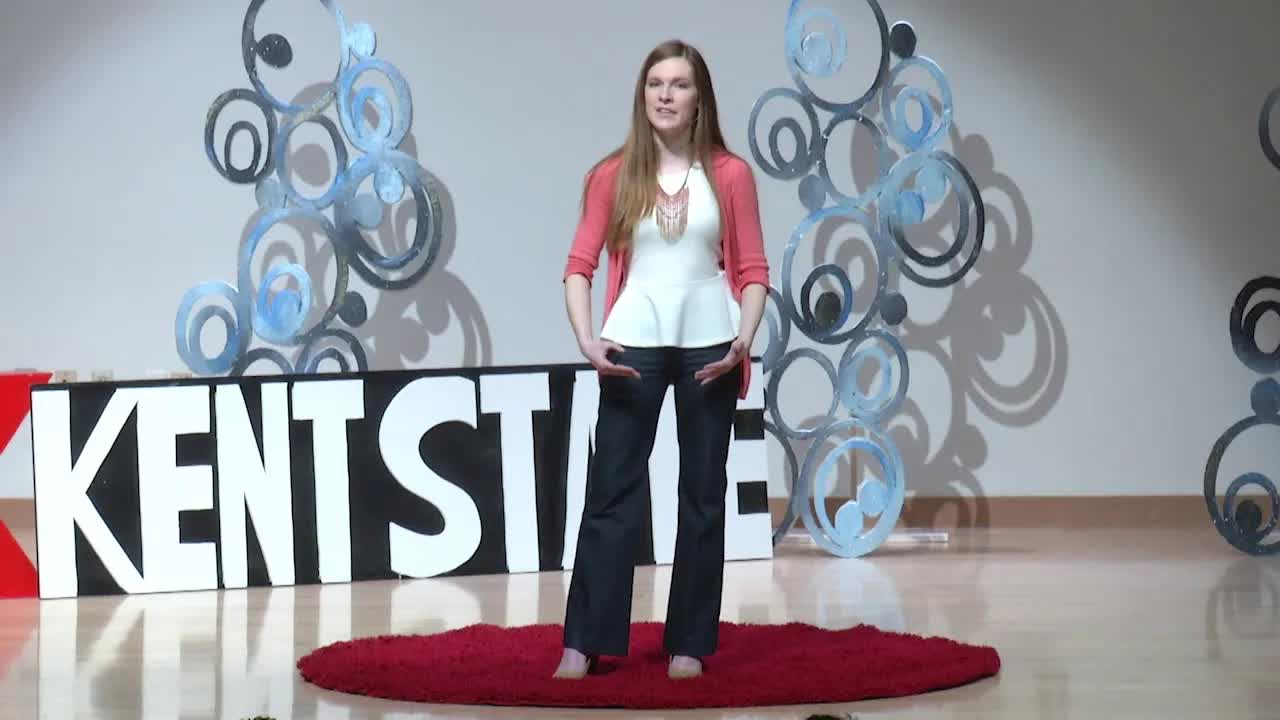
Jessica Kotik is a psychology major at Kent State University who conducted mindfulness meditation research under Dr. Christopher Was. Her senior honors thesis focused on using mindfulness meditation to reduce academic anxiety in struggling readers.
Related market data:
- US adult mindfulness meditation practice rate more than doubled from 7.5% in 2002 to 17.3% in 2022 (Source: Goleman EI / NHIS)
- 200-500 million people globally practice meditation and mindfulness (Source: Goleman EI)
- Workplace meditation programs: 85% reduction in absenteeism, 120% productivity increase, 70% reduction in workplace injuries (Detroit study) (Source: Twello)
- Stanford School of Medicine: 30% reduction in stress-related symptoms after meditation practice (Source: Stanford University)
- Harvard research: meditation's stress reduction effects last longer than vacation (maintained even after 10 months) (Source: Harvard Medical School)
Key Insights
1. Why Stress Damages Your Brain's Executive Function
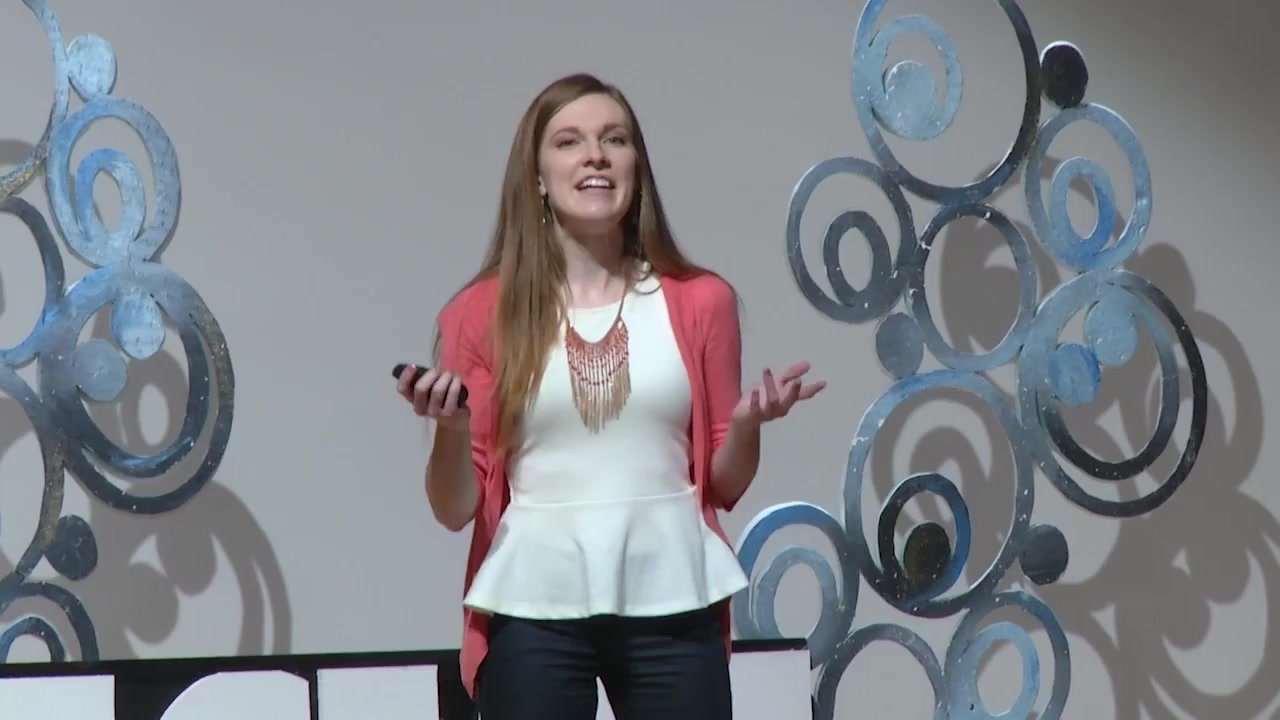
Be honest: have you experienced stress or anxiety recently? Most people would say "of course." In one survey, nearly the entire audience raised their hands. But this is not just "a normal part of modern life" that should be dismissed.
Stress and anxiety severely impair the brain's executive functioning. Executive functioning covers not only cognitive abilities needed for learning but also the core brain functions that govern daily judgment and behavior. In simple terms, when you are stressed, studying does not work, work does not get done, and even everyday decisions become clouded.
According to a 2025 USC study, just 30 days of guided mindfulness meditation significantly improved attentional control regardless of age. This research is important because it demonstrates that concentration damaged by stress can be recovered through relatively short periods of meditation. Stress-related brain damage is not irreversible -- it is an area that can be actively managed.
"Stress and anxiety can severely impair executive functioning -- functioning specific to learning as well as general functioning, or how we go about our day to day lives."
How to apply: This week, consciously observe how your focus and judgment change when you are stressed. Awareness itself is the first step toward change.
2. Five Scientifically Proven Effects of Mindfulness Meditation Since the 1980s
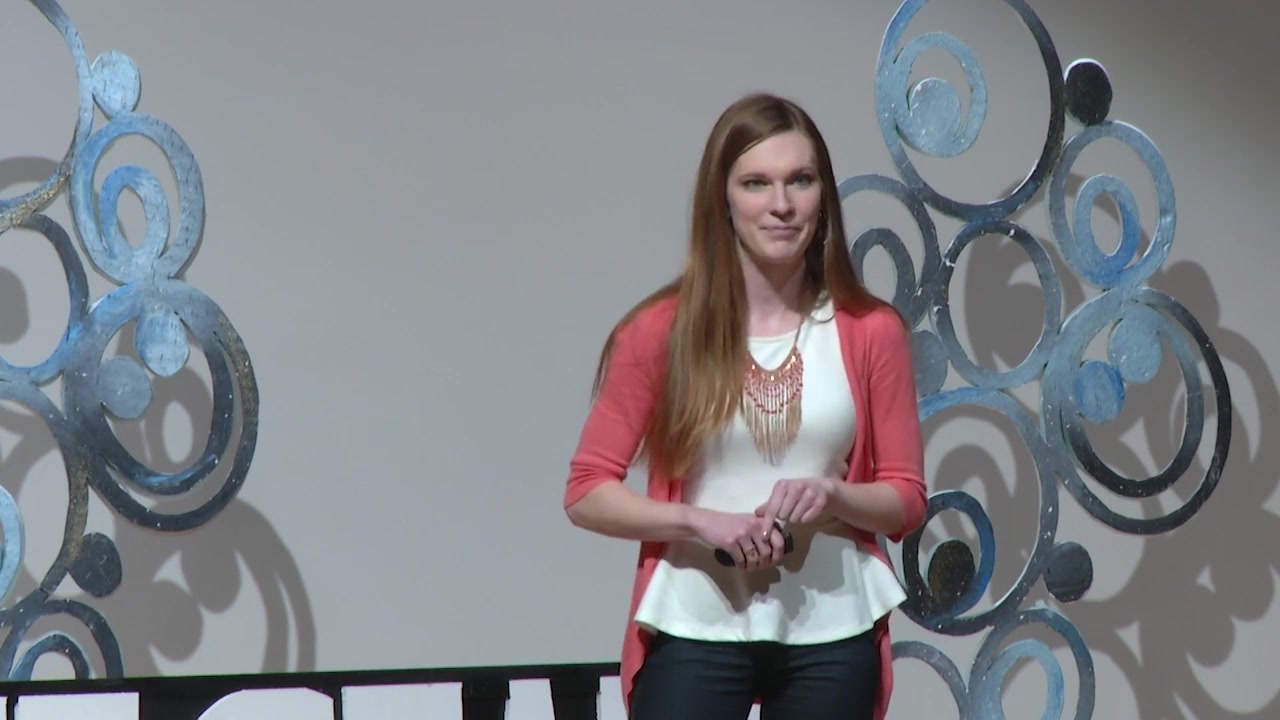
Mindfulness meditation is not a trend. Studied rigorously in psychology since the early 1980s, this technique has been repeatedly validated for over 35 years. The starting point was Dr. Jon Kabat-Zinn, who developed the MBSR program at the University of Massachusetts Medical School in 1979, initially offering an 8-week program for chronic disease patients who were not responding well to conventional treatments.
The results consistently confirmed across studies include: decreased negative emotions such as stress, anxiety, and depression; reduced aggressive and negative behaviors; and simultaneously increased attention, self-awareness, overall well-being, and productivity.
Recent research supports this further. A large-scale randomized controlled trial published in Nature Human Behaviour in 2024 (2,239 participants) found that four types of self-guided mindfulness meditation significantly reduced stress compared to control groups. A 2025 Carnegie Mellon study confirmed that meditation apps actually decrease blood pressure, reduce repetitive negative thinking, and even influence inflammation-related gene expression.
At Kent State University, Dr. Christopher Was's lab conducted a telling experiment: struggling readers were divided into two groups -- one received academic support plus mindfulness meditation, the other received academic support alone. The mindfulness group showed a significant decrease in anxiety compared to the academic-support-only group.
"Ever since mindfulness meditation became popular in the early 1980s, research has shown time and time again that it has been successful in decreasing negative feelings such as stress, anxiety, depression, and other aggressive and negative behaviors."
"Students who were in the mindfulness group saw a significant change in anxiety -- a decrease -- compared to the students who only received their reading intervention. So this stuff really works."
How to apply: Verify the scientific evidence for yourself. Search 'mindfulness meditation' on PubMed to find over 25,000 published papers.
3. A 5-Minute Body Scan Meditation You Can Follow Right Now
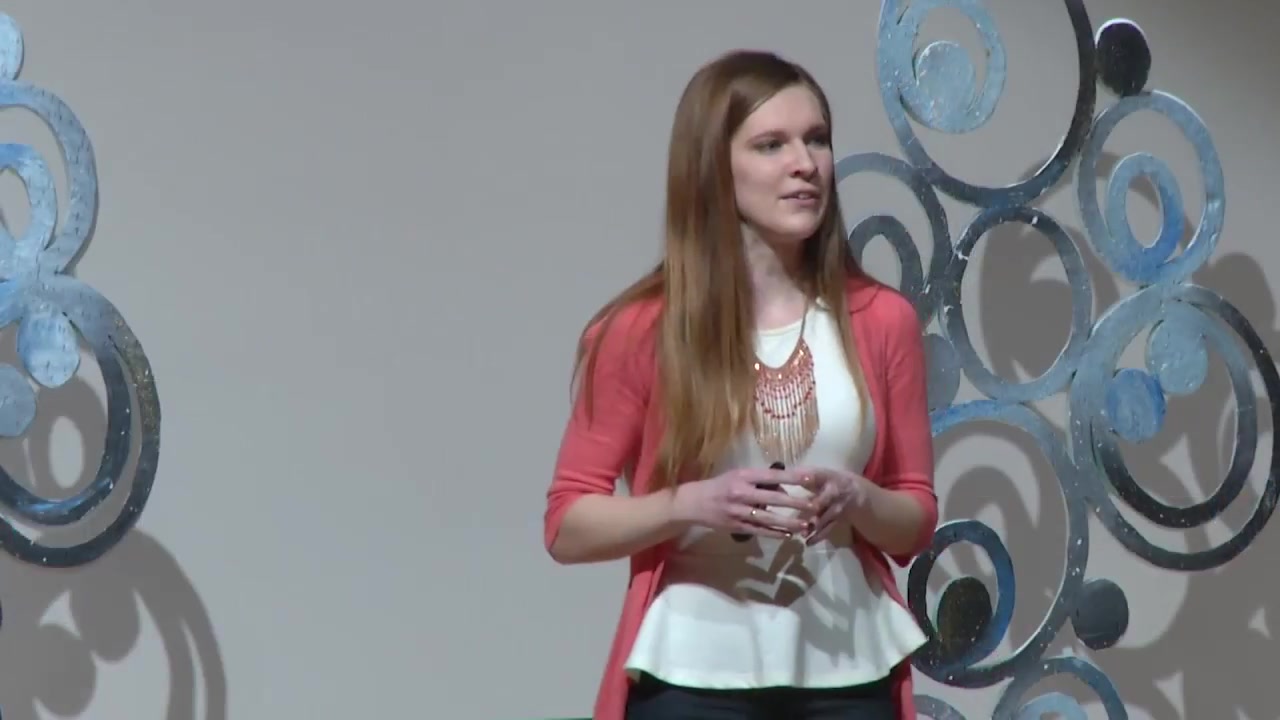
Body Scan is one of the most accessible mindfulness meditation techniques. The core principle is directing attention to individual body parts in sequence while observing sensations without judgment. Imagine a light starting at your toes and scanning upward through your entire body.
Here is the specific sequence. First, find a comfortable position -- you do not need to sit upright; leaning back is fine. Close your eyes or keep them open, whichever feels natural. Bring attention to your feet: notice warmth, pressure, or tingling. Move up to your legs, feeling the contact with the chair, noticing pulse or heaviness. Shift to your stomach area and gently release any tension there. Take a deep breath here.
Continue moving the light to your hands and arms. If your fists are clenched, release them. Pause at your shoulders -- where we accumulate the most tension. Check your neck and jaw too. If your teeth are clenched, slightly open your mouth. Finally, relax all facial muscles and return attention to your entire body, feeling yourself present in this moment.
According to a 2022 systematic review published in PubMed, body scan meditation practiced daily for 8 weeks significantly reduced cortisol (stress hormone) levels. Note that body scan is most effective when combined with other mindfulness techniques. Cleveland Clinic also recommends body scan as the most beginner-friendly meditation technique.
"We're going to be doing a body scan, which means we're going to be isolating individual parts of our body one at a time. It's easier to imagine a light that starts in your feet and comes up through your body."
How to apply: Tonight before sleep, try a 5-minute body scan meditation. Simply feel the sensations in each body part from feet to head. It helps with falling asleep too.
4. Zero Cost, Zero Equipment -- Why Mindfulness Is the Ultimate Self-Care Tool
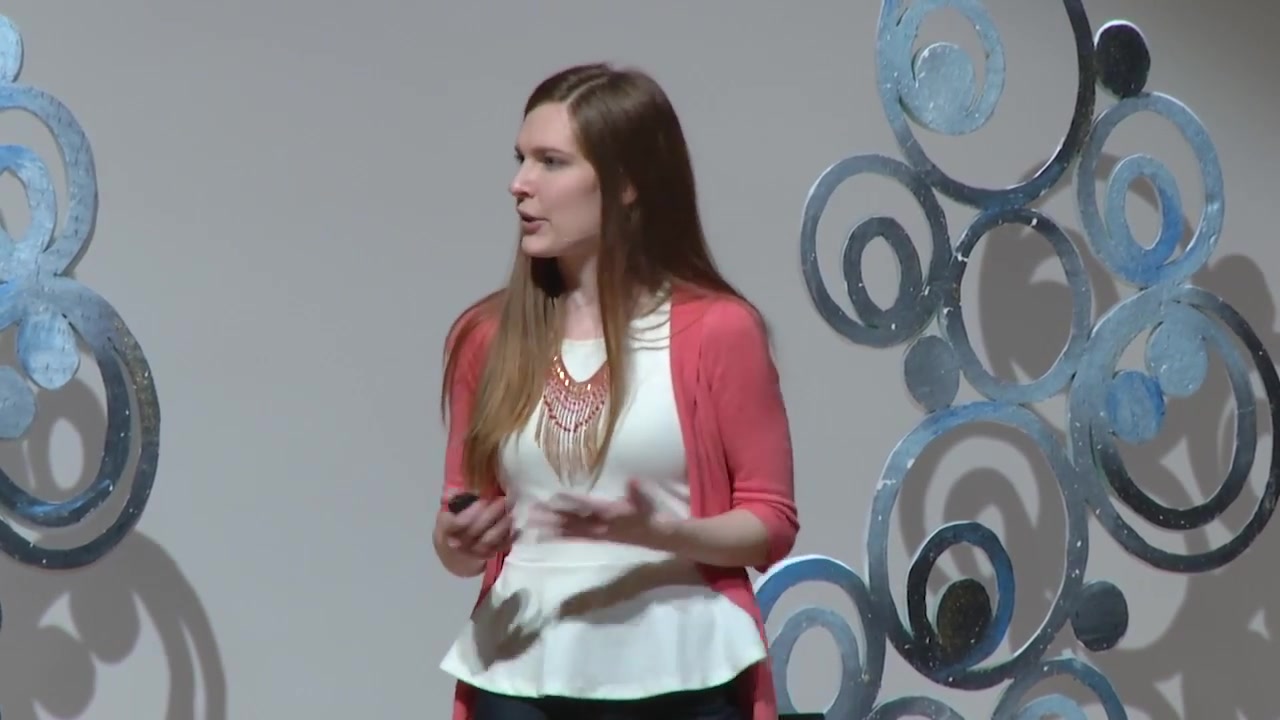
The three greatest advantages of mindfulness meditation are clear. First, it is completely free. Second, it is completely flexible. Third, it is attainable by anyone. Very few self-care tools satisfy all three conditions simultaneously.
For those worried about time, just 5 minutes a day is enough. After waking up, before bed, during lunch, when you sit down at your desk -- anytime works. Students can practice between classes; professionals can fit it in before meetings. A 2025 study showed that using a meditation app just 3 times per week for 10-21 minutes produced measurable results.
Need guidance? Simply Google "mindfulness meditation guided" to find thousands of free resources. Insight Timer has approximately 120,000 free guided meditations -- listening to 2 per day would take 165 years to get through them all. Paid apps like Headspace (13 USD/month) or Calm (15 USD/month) exist, but spending money is not required to start.
Companies are recognizing this too. Global corporations like Aetna, General Mills, and Goldman Sachs run employee mindfulness training programs. Harvard Medical School research found that meditation's stress reduction effects last longer than vacation. While vacation stress levels returned to baseline after 10 months, the meditation group maintained their reduced stress levels.
"The best part about mindfulness is that it's free, it's flexible, and it's attainable."
How to apply: Install Insight Timer (free) on your phone, search for "5 minute body scan," and try one tomorrow morning.
5. Meditation Is Not "Om" -- Reframing Mindfulness as a Practical Tool
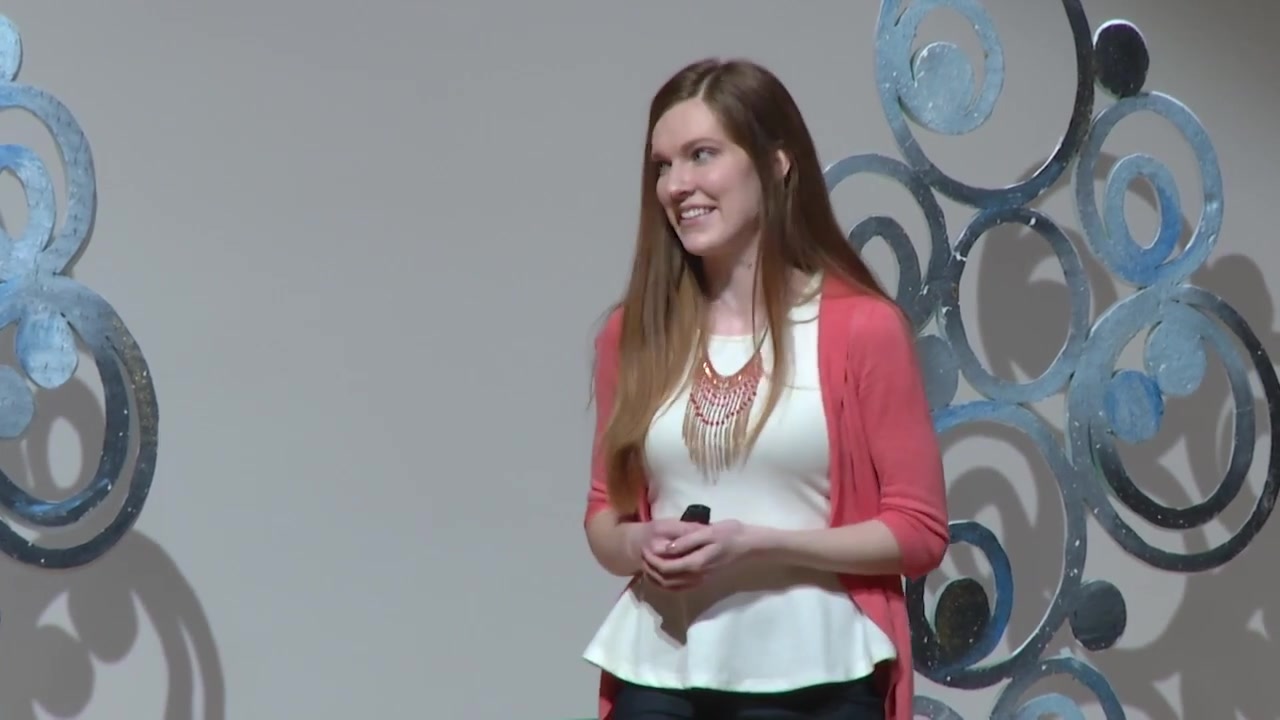
Many people picture someone sitting cross-legged chanting "Om" when they think of meditation. But mindfulness meditation is nothing like that stereotype. The key insight is this: mindfulness is a tool, and it should be used like a tool.
Why does the "tool" perspective matter? Because tools are something you pick up when needed and put away when done. You do not need to meditate 4 hours every day. When you feel stressed, when you cannot focus, when you cannot sleep -- just pull it out for 5 minutes. This practical perspective is what makes mindfulness sustainable.
A 2025 Vanderbilt University Medical Center study revealed something even more fascinating: meditation can activate the brain's waste-clearing system in a way similar to sleep. In other words, meditation goes beyond simply "calming the mind" and can contribute to the brain's physical health. It is like giving your brain a mini-nap.
The true potential of mindfulness meditation extends beyond the individual to the community. It opens the potential to become better family members, better teachers, better colleagues, better students. Ultimately, you need to be healthy yourself for those around you to be healthy. As they say, the best things come in the smallest packages -- this small 5-minute daily habit can fundamentally transform your quality of life.
"Mindfulness is a tool, and it should be used as such."
"It has this potential to help us become the best that we can be -- the best family members, teachers, employees, students, but most importantly, community that we can be."
How to apply: Redefine meditation as a "tool" rather than a "practice." Set a daily phone alarm as a 5-minute meditation reminder.
Action Checklist
Do today:
- Try a 5-minute body scan meditation before bed tonight (feet, legs, stomach, hands, shoulders, neck, jaw, face)
- Install Insight Timer and save a "5 minute body scan" session
- Set your alarm 5 minutes earlier for tomorrow morning
This week:
- 3-day consecutive 5-minute meditation challenge -- pick the most convenient time (morning, lunch, or evening)
- Record your stress level (1-10) before and after meditation to observe changes
- Start a Headspace or Calm free trial
Long-term:
- Maintain meditation 3+ times per week for 10-20 minutes over 4 weeks (minimum period proven effective in research)
- Suggest a "5-minute mindfulness break" with colleagues at work or school
- Read Jon Kabat-Zinn's "Full Catastrophe Living"
Reference Links
References
- Improving your daily life with mindfulness meditation | Jessica Kotik | TEDxKentState - TEDx Talks (10:26)
Related Tools
| Tool | Purpose | Price | Link |
|---|---|---|---|
| Insight Timer | 120K+ free guided meditations including body scan, breathing, and sleep | Free (Premium 10 USD/month or 60 USD/year) | Visit |
| Headspace | Structured step-by-step meditation courses for anxiety, focus, and more | 13 USD/month or 70 USD/year | Visit |
| Calm | Sleep-focused meditation and relaxation with celebrity narrated sleep stories | 15 USD/month or 70 USD/year | Visit |
Related Resources
- Body Scan Meditation: Benefits and How to Do It (Article) - Comprehensive Healthline guide to body scan meditation benefits and practice
- Body Scan Meditation (UC Berkeley Greater Good) (Article) - UC Berkeley Greater Good Science Center body scan meditation guide
- Mindfulness-Based Stress Reduction (MBSR) (Resource) - UMass Memorial Health mindfulness center founded by Jon Kabat-Zinn
- Self-administered mindfulness interventions reduce stress (Nature, 2024) (Article) - Large-scale RCT with 2,239 participants proving stress reduction through self-guided mindfulness
Fact-check Sources
- Mindfulness meditation has been studied since the early 1980s → https://en.wikipedia.org/wiki/Mindfulness-based_stress_reduction
- Mindfulness meditation reduces stress, anxiety, depression while improving focus and productivity → https://www.nature.com/articles/s41562-024-01907-7
- 5 minutes a day is enough to practice mindfulness meditation → https://www.researchprotocols.org/2025/1/e72786
Questions to Consider
How do you cope when stressed? Is your method a temporary relief or a fundamental solution?
Have you ever spent just 5 minutes doing nothing but focusing on your body's sensations? How difficult that feels itself reveals how far we have drifted from the "present."
If one practice could improve sleep quality, focus, emotional regulation, and relationships, is there any reason not to try it?
Key Takeaways
- 1Try a 5-minute body scan meditation before bed tonight (feet, legs, stomach, hands, shoulders, neck, jaw, face)
- 2Install Insight Timer and save a "5 minute body scan" session
- 3Set your alarm 5 minutes earlier for tomorrow morning
- 43-day consecutive 5-minute meditation challenge -- pick the most convenient time (morning, lunch, or evening)
- 5Record your stress level (1-10) before and after meditation to observe changes
- 6Start a Headspace or Calm free trial
- 7Maintain meditation 3+ times per week for 10-20 minutes over 4 weeks (minimum period proven effective in research)
- 8Suggest a "5-minute mindfulness break" with colleagues at work or school
- 9Read Jon Kabat-Zinn's "Full Catastrophe Living"
Want to read this later?
Save this insight to access it anytime
Original Video
하루 5분 마음챙김 명상으로 불안 줄이고 집중력 120% 높이는 과학적 방법