Lesson 13 / 46 in Mindset & Wellness
83% of Workers Experience Stress: 5 Science-Backed Methods to Relieve It in 5 Minutes
TL;DR
A warm shower, a piece of dark chocolate, and a lavender candle can immediately lower cortisol, the stress hormone — and there's scientific evidence to back it up.
83% of Workers Experience Stress: 5 Science-Backed Methods to Relieve It in 5 Minutes
One-Line Summary
A warm shower, a piece of dark chocolate, and a lavender candle can immediately lower cortisol, the stress hormone — and there's scientific evidence to back it up.
Key Numbers & Data
| Metric | Value | Context |
|---|---|---|
| Worker stress rate | 83% | Percentage of US workers experiencing work-related stress (2025 APA) |
| Economic cost of stress | Over 300 billion USD annually | Annual productivity loss for US businesses due to stress |
| Exercise anxiety reduction | 25% | Reduction in depression/anxiety risk over 5 years with regular exercise |
| Lavender anxiety reduction studies | 10 out of 11 | Proportion of studies showing significant anxiety reduction from lavender inhalation (2018-2022 systematic review) |
| PMR efficacy studies | 24 studies | Number of studies proving progressive muscle relaxation effectively reduces stress |
Background: Why This Matters
Stress is the chronic disease of modern life. Over 83% of US workers experience work-related stress, costing businesses more than 300 billion USD annually. Surveys also show that 73% of millennials and 68% of Gen Z report feeling burnout.
When stress accumulates, it leads to headaches, high blood pressure, digestive issues, memory loss, sleep disorders, and even increased heart attack risk. Your immune system weakens, concentration drops, and physical symptoms like muscle tension, shallow breathing, and rapid heartbeat appear.
The key point here is that you cannot eliminate stress itself. You cannot drop classes or quit clubs. Instead, the core strategy is building your own toolkit for responding to stress. Here are 5 scientifically validated methods you can practice starting today.
Synthesizing research from stress management experts, the bottom line is that the answer lies not in grand solutions but in small daily habits. All 5 strategies presented below are backed by research from scientific journals and medical institutions.
Key Insights
1. The Easiest Way to Clear a Cluttered Mind: Simple Repetitive Tasks

When stressed, your instinct is to tackle all your backlogged work at once. But that is actually the fast track to burnout and failure. Paradoxically, the most effective approach is to pick one simple, repetitive household chore — like washing dishes or vacuuming.
Research shows that performing repetitive tasks naturally puts your brain into an organizing mode. Scattered thoughts consolidate, and a worry-distracted mind calms down. It is like telling your brain, "Right now, just focus on this one thing."
Mindfulness research backs this up. According to a Florida State University study, mindfully washing dishes alone reduced nervousness by 27%. The key is to stop multitasking and fully concentrate on one simple task.
"Pick one simple routine task you can do at home. Something like washing dishes or vacuuming."
How to apply: When stress hits, instead of your to-do list, pick one simple repetitive task like washing dishes or folding laundry and focus on it for 15 minutes.
2. A Warm Shower Triggers the Same Brain Response as 'Emotional Warmth'
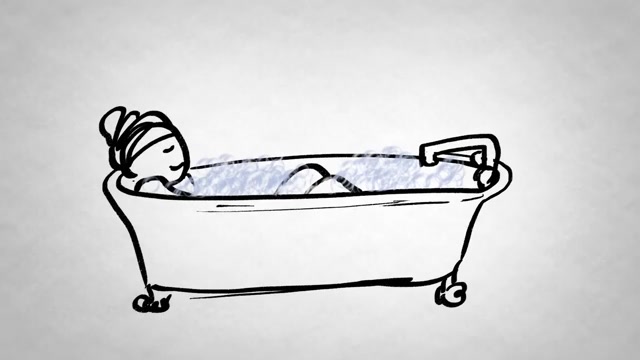
After finishing a household chore, it is time to take care of yourself. Did you know that a warm bath or shower is not just a hygiene habit but a powerful stress relief method?
Scientifically, the sensation of warm water triggers a response in the brain similar to emotional warmth — like being hugged by someone. When body temperature rises, the brain releases serotonin, a neurotransmitter commonly called the "feel-good chemical." It works through the same mechanism that makes you feel good during exercise.
According to Cleveland Clinic research, warm water slows the production of stress hormones like cortisol and aldosterone, lowering blood pressure and heart rate. A Japanese study found that bathing was more effective than showering at reducing stress, tension, anger, and depression. It activates the parasympathetic nervous system, switching your entire body into relaxation mode.
"The sensation of warm water triggers the same response in your body and brain as emotional warmth."
How to apply: Tonight before bed, take a conscious 5-minute warm shower. Focus on the warmth of the water while breathing slowly.
3. When You Cannot Sleep, Simply Tensing and Releasing Your Muscles Changes Sleep Quality
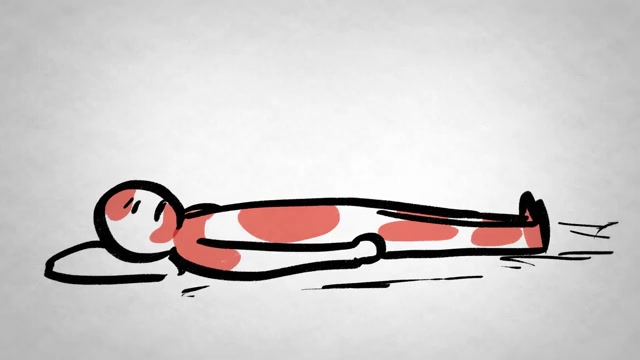
If stress is disrupting your sleep, it is time to try Progressive Muscle Relaxation (PMR). Despite the fancy name, the method is simple. Tightly clench the muscles throughout your body for a few seconds, then release them all at once.
Here is how: Lie on your back and start with your forehead. Tense your forehead muscles for 5 seconds, then release. Next, move to your stomach, thighs, calves, and finally your toes, repeating the same motion. Continue until all muscles are completely relaxed.
Why is this effective? PMR increases parasympathetic nerve activity, naturally transitioning your body into a relaxed state. According to a 2024 systematic review, 24 studies have confirmed PMR's stress reduction effects. Anxiety reduction was verified in 21 studies and depression reduction in 11 studies. In a study with cystic fibrosis patients, the sleep quality improvement effect size was 1.86, indicating a "very large" clinical improvement.
"Clench all the muscles in your body tightly for a few seconds, then release them all at once."
How to apply: Tonight in bed, practice progressive muscle relaxation — tensing then releasing muscles for 5 seconds each, from your forehead down to your toes.
4. Just 20 Minutes of Moving Outside Lowers Stress Hormones and Raises Endorphins
If you love yoga, that is an excellent choice. Mantras used in yoga and meditation are effective at focusing the mind and warding off anxiety. But yoga is not your thing? That is fine. Simply going outside and jogging lightly in natural sunlight is enough.
Numerous studies have proven that exercise reduces anxiety and helps maintain composure even in stressful situations. According to Harvard Medical School research, people who exercise vigorously on a regular basis have a 25% lower risk of developing depression or anxiety disorders over the next 5 years. Exercise reduces stress hormones like cortisol and adrenaline while releasing endorphins — the body's natural painkiller and mood booster.
Here is an extra tip: Take your earbuds out when exercising. You need time away from distracting stimuli like texts, emails, and social media notifications. And instead of texting, meet a friend in person and laugh together. According to a Finnish-British joint study, laughter triggers endorphin release in the brain and lowers cortisol and epinephrine levels, while also releasing oxytocin to strengthen social bonds.
"Exercise reduces anxiety and helps you maintain composure even in distressing situations."
How to apply: Three times this week, go for a 20-minute outdoor walk or jog without earbuds. Do one session with a friend and laugh as much as you can.
5. A Piece of Dark Chocolate Lowers Cortisol, and Lavender Scent Calms Anxiety
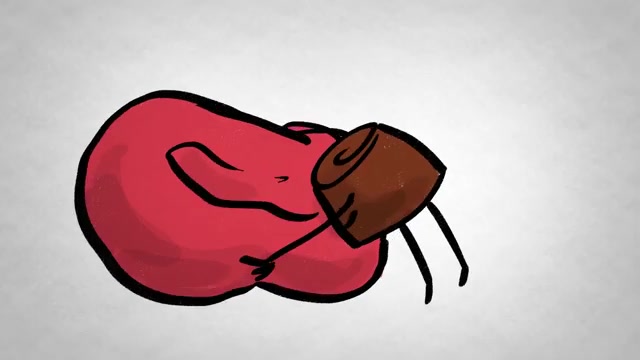
Here is the best tip. Allow yourself a tasty treat. But this is a strategic choice, not emotional binge eating. Dark chocolate is a prime example.
The polyphenols (flavonoids) in dark chocolate relax blood vessels to lower blood pressure and regulate the brain's HPA axis to reduce cortisol secretion. According to Loma Linda University research, the group that consumed high-polyphenol dark chocolate showed significantly lower salivary cortisol levels. Another study found that people who ate chocolate daily for 2 weeks had decreased cortisol and catecholamine levels in their urine and plasma.
Your sense of smell is also a powerful weapon. The scents of spearmint and lavender have scientifically proven de-stressing effects. In a systematic review on lavender (2018-2022, 11 studies), 10 out of 11 reported significant anxiety reduction after lavender inhalation. Buy a lavender candle or keep spearmint tea on hand. Taking a moment to pause and deeply inhale that scent — that itself is the beginning of stress management.
"Certain chemicals in chocolate help relax blood vessels and lower blood pressure."
"The scents of spearmint and lavender have proven de-stressing effects."
How to apply: Today, purchase a bar of dark chocolate with at least 70% cacao content and a lavender candle (or spearmint tea bags).
Action Checklist
Do today:
- Check the stress symptoms you are currently feeling (muscle tension, shallow breathing, rapid heartbeat, etc.)
- Take a 5-minute warm shower before bed tonight + practice progressive muscle relaxation
- Eat one piece of dark chocolate (70%+ cacao)
This week:
- Buy a lavender candle or spearmint tea bags and keep them on your desk
- Go for outdoor walks/jogs without earbuds 3 times (20 minutes each)
- Meet one friend in person for conversation and laughter (instead of texting)
Long-term:
- Build a daily 15-minute simple repetitive task routine (dishes, tidying, etc.)
- Establish a habit of exercising 3 times per week (choose from yoga, jogging, or walking)
- Make stress management strategies as natural as breathing — as effortless as inhaling and exhaling
Reference Links
References
- Stress Management Strategies: Ways to Unwind - watchwellcast (5:05)
Related Tools
| Tool | Purpose | Price | Link |
|---|---|---|---|
| Lavender Essential Oil | Aromatherapy oil scientifically proven to reduce anxiety and stress | 8-15 USD for 10-20ml | Visit |
| Headspace (Meditation App) | Progressive muscle relaxation, guided meditation, sleep assistance programs | Free trial, then 12.99 USD/month | Visit |
| Calm (Meditation/Sleep App) | Sleep stories, breathing exercises, PMR guides and other stress management tools | Free trial, then 69.99 USD/year | Visit |
Related Resources
- Tips to Lower Stress Infographic (Article) - American Heart Association stress reduction infographic guide
- I'm So Stressed Out! Infographic (Article) - NIMH stress management guide
- Exercise and stress: Get moving to manage stress (Article) - Mayo Clinic exercise-stress management guide
- Stress relief from laughter? It's no joke (Article) - Mayo Clinic scientific evidence for laughter therapy and stress relief
- Efficacy of Progressive Muscle Relaxation in Adults (Article) - Systematic review on PMR's stress, anxiety, depression reduction effects (2024)
Fact-check Sources
- Excessive stress increases risk of headaches, high blood pressure, GI disorders, memory loss, sleep disorders, and heart attacks → https://www.heart.org/en/healthy-living/healthy-lifestyle/stress-management/tips-to-lower-stress-infographic
- Repetitive tasks focus the brain and calm a distracted mind → https://news.fsu.edu/news/health-medicine/2015/09/30/study-washing-dishes-mindfully-good-for-mind-body/
- Warm water triggers brain responses similar to emotional warmth → https://health.clevelandclinic.org/reasons-to-take-a-bath
- Dark chocolate relaxes blood vessels and lowers blood pressure → https://news.llu.edu/for-journalists/press-releases/new-studies-show-dark-chocolate-consumption-reduces-stress-and-inflammation-while-improving-memory-immunity-and-mood
- Lavender and spearmint scents have de-stressing effects → https://www.mdpi.com/2227-9032/11/22/2978
Questions to Consider
Where in your body is sending stress signals right now? Shoulders? Jaw? Stomach?
Of the 5 methods introduced today, which one would blend most naturally into your daily routine?
When was the last time you met a friend in person — without your smartphone — and laughed freely?
Key Takeaways
- 1Check the stress symptoms you are currently feeling (muscle tension, shallow breathing, rapid heartbeat, etc.)
- 2Take a 5-minute warm shower before bed tonight + practice progressive muscle relaxation
- 3Eat one piece of dark chocolate (70%+ cacao)
- 4Buy a lavender candle or spearmint tea bags and keep them on your desk
- 5Go for outdoor walks/jogs without earbuds 3 times (20 minutes each)
- 6Meet one friend in person for conversation and laughter (instead of texting)
- 7Build a daily 15-minute simple repetitive task routine (dishes, tidying, etc.)
- 8Establish a habit of exercising 3 times per week (choose from yoga, jogging, or walking)
- 9Make stress management strategies as natural as breathing — as effortless as inhaling and exhaling
Want to read this later?
Save this insight to access it anytime
Original Video
직장인 83%가 겪는 스트레스, 5분 만에 해소하는 5가지 과학적 방법