Lesson 14 / 46 in Mindset & Wellness
Your Brain Changes Every Moment: A Harvard Neuroscientist Reveals 4 Brain-Altering Mechanisms of Mindfulness Meditation
TL;DR
We are born with 86 billion neurons and lose 2 billion over a lifetime, but 150 trillion synaptic connections reconstruct "the self" every 0.5 seconds -- and mindfulness meditation is the tool that lets you intentionally reshape this process.
Your Brain Changes Every Moment: A Harvard Neuroscientist Reveals 4 Brain-Altering Mechanisms of Mindfulness Meditation
One-Line Summary
We are born with 86 billion neurons and lose 2 billion over a lifetime, but 150 trillion synaptic connections reconstruct "the self" every 0.5 seconds -- and mindfulness meditation is the tool that lets you intentionally reshape this process.
Key Numbers & Data
| Metric | Value | Context |
|---|---|---|
| Human brain neurons | 86 billion | Total neurons at birth |
| Lifetime neuron loss | 2 billion | Neurons naturally lost over a lifetime |
| Synaptic connections | 150 trillion | Cell-to-cell synaptic connections formed in response to daily experience |
| Selfing cycle | 0.5 seconds (500ms) | Self-construction cycle consisting of perception, sensory awareness, and evaluation |
| Mindfulness research papers | 39 to 4,000+ | From 39 papers before 2000 to over 4,000 since then |
| Anger and heart attack risk | 2.5x increase | An angry disposition increases premature heart attack death risk by 2.5 times |
| Meditator brain age | 7.5 years younger | MRI-based brain age of 50-year-old long-term meditators is 7.5 years younger than controls (2016 study) |
Background: Why This Matters
The human brain is not a fixed organ. Through "activity-dependent plasticity," it is being restructured at every moment. The problem is that this process mostly runs unconsciously. When negative emotional patterns like anger, anxiety, and worry repeat without our awareness, they literally change brain structure -- accelerating depression, cardiovascular disease, and even cellular aging at the DNA level.
Before 2000, there were only 39 scientific papers on mindfulness. Now over 4,000 studies have accumulated, including 21 measuring brain structural changes and 80 measuring brain functional changes. A 2025 study in Communications Biology found that applying blood plasma from meditation retreat participants to laboratory neurons actually caused longer dendrite growth and new connection formation.
The global meditation app market has grown to approximately 5.7 billion USD in 2025, projected to reach 17.8 billion USD by 2032. This represents not a mere wellness trend but an explosion of the "brain training" market grounded in neuroscientific evidence.
Dr. David Vago is a Research Associate Professor of Psychology at Vanderbilt University and Director of the Contemplative Neuroscience and Mind-Body Research Laboratory. He also serves as a research associate at Brigham and Women's Hospital, Harvard Medical School. With over 20 years of combined mindfulness practice and research, he has published nearly 100 peer-reviewed papers cited over 15,000 times. He serves as President of the International Society for Contemplative Research and was one of six emerging leaders invited to present research directly to the Dalai Lama.
Related Market Data:
- Global meditation app market: approximately 5.72 billion USD in 2025 (Source: Statista)
- Meditation app market 2032 projection: 17.78 billion USD, CAGR approximately 18% (Source: Coherent Market Insights)
- Mindfulness-related scientific papers: 39 before 2000 to 4,000+ after (Source: Dr. David Vago TEDx presentation)
- MRI-based brain age of 50-year-old long-term meditators is 7.5 years younger than controls (Source: NeuroImage 2016)
Key Insights
1. More Important Than 86 Billion Neurons: The 150 Trillion Synapses That Create "You"
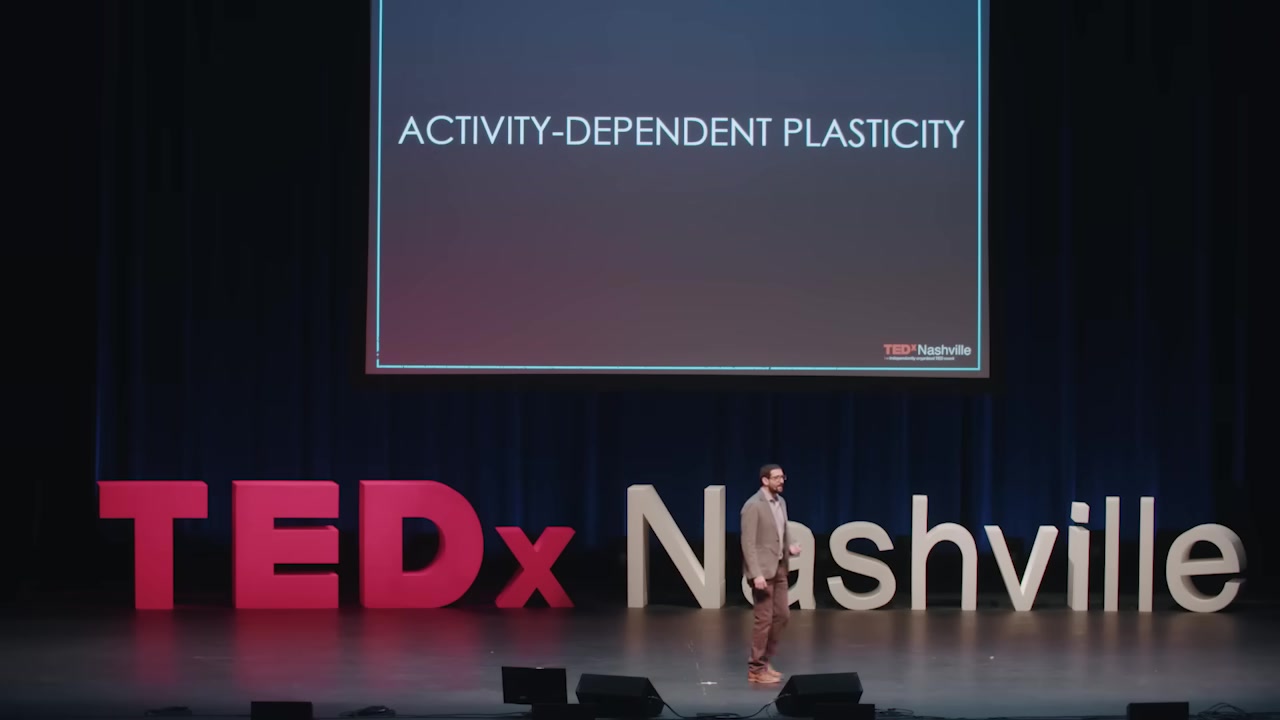
We are born with 86 billion neurons but lose about 2 billion over a lifetime. Very few new neurons are created, yet our identity keeps changing. The secret lies in "activity-dependent plasticity" -- 150 trillion cell-to-cell synaptic connections that form in response to daily experience, continuously modifying the brain.
This matters because these synaptic connections do not merely store memories -- they constitute our self-identity itself. Our habits, personality, values, and fears are all products of these connection patterns. The neuroscience mechanisms of long-term potentiation (LTP) and long-term depression (LTD) in synaptic plasticity support this.
The key point is that this process directly impacts health and longevity. The synaptic patterns formed at every moment shape not only identity but physical health. And mindfulness meditation is the systematic mental training that allows intentional intervention in this process.
"We are all born with a brain that has 86 billion neurons. And throughout our life, we make relatively few new neurons."
"Not only are they contributing to your self-identity, but they are continually changing your brain and they are strongly influencing your health and longevity."
How to apply: Once a day, take just one minute to notice a thought or emotional pattern you keep repeating. This is the first step in intentionally leveraging activity-dependent plasticity.
2. "You" Are Rebuilt Every 0.5 Seconds -- The 3-Stage Mechanism of Selfing
The ancient Buddhist text Dhammapada states: "Our life is shaped by our mind, for we become what we think." The key insight is that this is not just philosophical wisdom but a neuroscientifically verifiable fact.
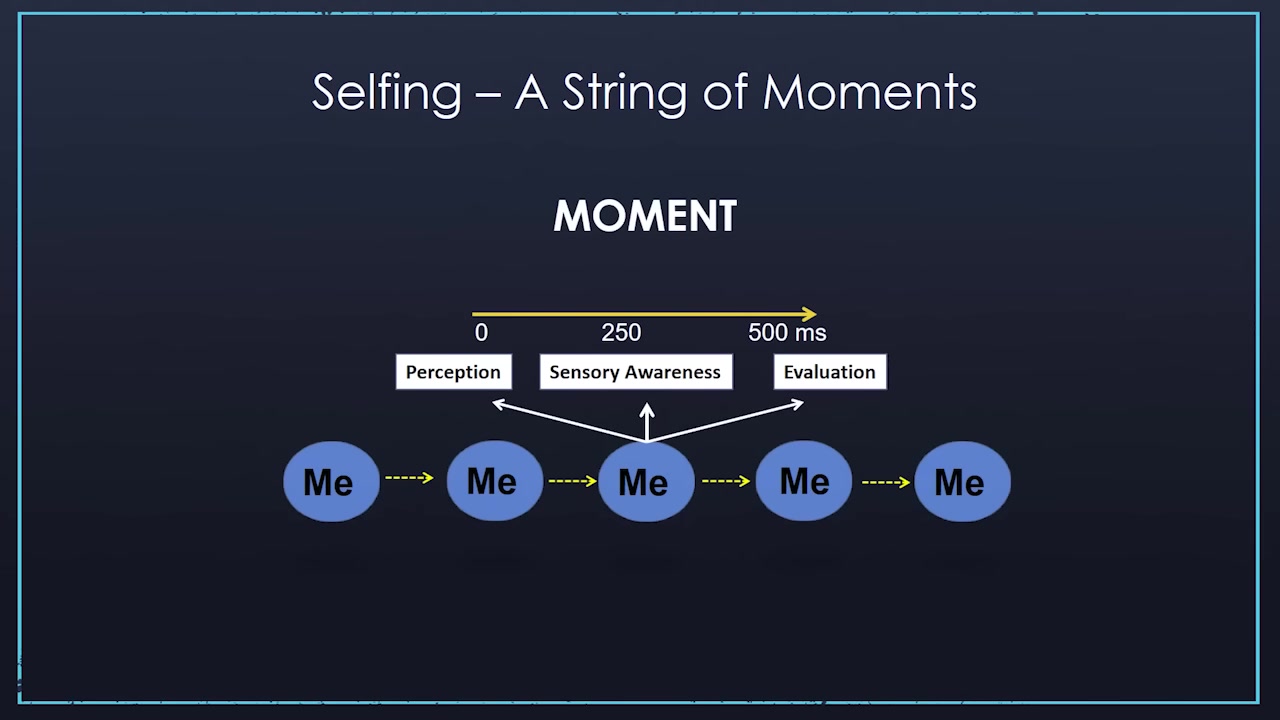
The self is not a fixed entity but a chain of repeated "selfing" processes occurring at every moment. This process unfolds in three stages within approximately 500 milliseconds. First, the brainstem and subcortical regions unconsciously filter information and prepare for action. Second, primary sensory cortex integrates information from perception and awareness, preparing for inference and prediction. Third, at the 300-500ms mark, conscious awareness emerges and the prefrontal cortex evaluates the experience.
A person who has lived 42 years has experienced approximately 3 billion such moments. This chain of selfing maintains our mental habits and dispositions, becoming self-perpetuating through self-conditioning and repetition. It colors past memories, generates future predictions, and shapes present perception. Consciously intervening in this automated process is the very essence of mindfulness.
"Our life is shaped by our mind, for we become what we think."
How to apply: Next time you feel a strong emotion (anger, anxiety, joy), consciously observe the 0.5-second "moment" -- try distinguishing the three stages: sensation (body response), recognition (what is happening?), and evaluation (good/bad).
3. The "Wedge of Meta-Awareness" That Stopped the Angry Fist
At age 8, his mother bought him a punching bag for anger management. Whenever anger arose, he went to the basement and hit it. Short-term, it worked. But after the punching bag broke and was discarded, the conditioned response remained. He never hit people, but continued hitting walls, doors, and windows -- leaving scars on his hands.
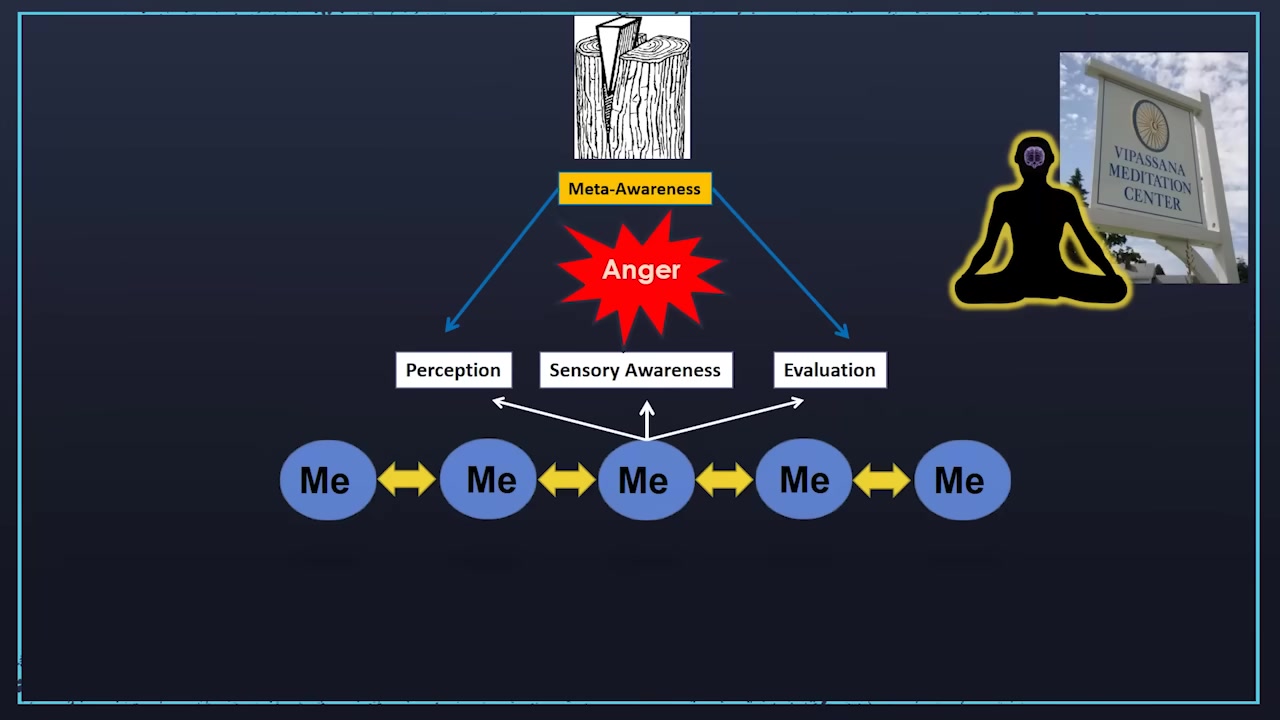
At 20, he attended his first 10-day silent meditation retreat, and it became a life-changing experience. What meditation provided was the skill of "meta-awareness" -- the ability to recognize where our attention is and where it is heading. This functions like a wedge inserted between automated mental habits, opening the mind and providing insight into recurring patterns.
In Buddhist scholar Andy Lenski's words, when this wedge is inserted deeply enough, "wisdom" opens. Wisdom is subtly different from awareness -- it means direct experience of mental habits. In the case of anger, it was bodily sensations: muscle tension, clenched fists, the urge to act. When awareness and wisdom work together through mindfulness practice, time spent in judgment and evaluation decreases, allowing emotions like anger to arise and pass without impulsive action.
"The conditioning did not go away. I never hit any people, but I continued to hit walls and doors and windows."
"When we practice mindfulness, the awareness and the wisdom work together, helping to reduce the time spent in judgment and evaluation."
How to apply: Spend 5 minutes daily focusing solely on body sensations. When emotions arise, observing "where in my body do I feel this?" is enough to practice the wedge of meta-awareness.
Tools mentioned:
- Headspace - Guided meditation app for beginners
- Insight Timer - Free meditation timer and community app
4. The Science Behind How Anger Increases Heart Attack Risk by 2.5 Times
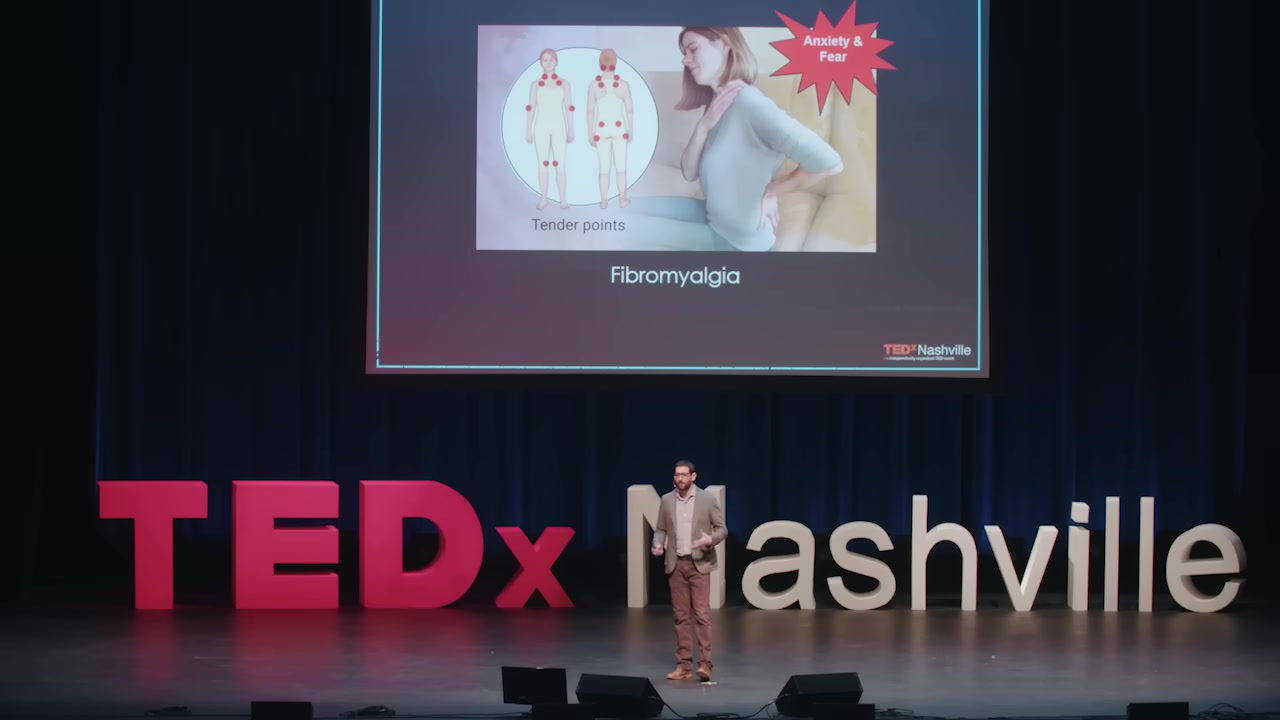
Beyond anger, emotions like anxiety, fear, worry, and sadness significantly impact health. The key is not the emotions themselves but when they repeat at high frequency, endanger yourself and others, or interfere with social functioning -- they become destructive mental habits.
The three dispositions with the most accumulated scientific data act as risk factors for clinical depression, anxiety disorders, and cardiovascular disease. They have even been shown to accelerate cellular aging at the DNA level. An angry disposition increases the risk of premature death from heart attack by 2.5 times. Combined with chronic stress, it leads to immune system dysfunction, pain pathway sensitization, and atrophy of brain regions responsible for regulating negative emotions -- creating a vicious cycle where regulation becomes progressively harder.
A fibromyalgia study produced fascinating results. In a behavioral task showing pain-related words for 100ms (unconscious processing) and 500ms (conscious processing), the untrained group unconsciously avoided pain words and consciously ruminated on them. The mindfulness-trained group, however, unconsciously approached pain words (reduced fear and avoidance) and consciously observed then released them, performing the task more smoothly. This provides strong evidence that mindfulness training can change attention habits at both conscious and unconscious levels.
"An angry disposition increases your chances of dying prematurely of a heart attack by two and a half times."
How to apply: Track your emotional patterns for one week. Simply identifying how frequently anger, anxiety, and worry repeat is the starting point for change.
5. Meditation Makes Your Brain Younger: Structural Changes in 4 Key Brain Regions
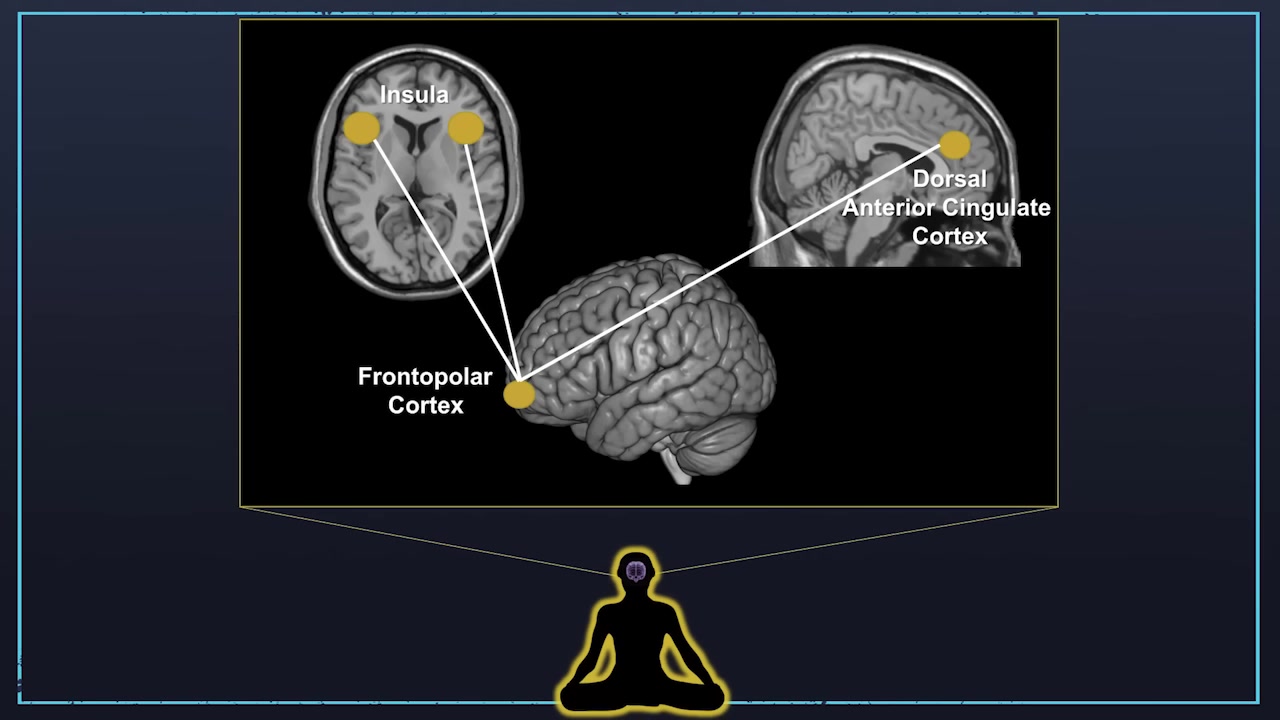
Among 4,000+ mindfulness studies, synthesizing 21 that measured brain structure and 80 that measured brain function reveals 4 brain regions that show the most consistent changes regardless of meditation style or expertise level.
First is the frontopolar cortex -- located right behind the forehead, it is the most highly evolved part of the human brain and handles meta-awareness. Second is the dorsal anterior cingulate cortex, and third is the anterior insula. Together, these three regions form the "frontoparietal control network" -- a complex attention network that enables continuous awareness of body sensations and flexible switching between internal mental processing and the external world.
The key finding is that the more one meditates, the more this network's activity increases. Other labs discovered that these regions become protected from the normal age-related brain atrophy that happens to everyone. After age 20, everyone's brain begins shrinking, but meditation can protect against this. A 2016 study found that the MRI-based brain age of 50-year-old long-term meditators was 7.5 years younger than controls.
The fourth region is the posterior cingulate cortex (PCC), a major node of the default mode network related to self-reflection and rumination. Meditation reduces activity in this region, decreasing excessive self-rumination.
"The more one meditates, the more protected these regions are from the normal age-related atrophy that we all get."
"Every thought and emotion is leading to transforming our brain, literally re-sculpting our brain, at every moment."
How to apply: Start with 10 minutes of daily breathing meditation. Research shows that just 8 weeks of consistent mindfulness training produces measurable brain structural changes.
Tools mentioned:
- Calm - Meditation app for sleep, anxiety, and chronic pain management
- Ten Percent Happier - Science-based meditation education app
Action Checklist
Today:
- Try a 5-minute "mindful breathing" session focusing only on your breath
- When an emotion arises, observe just once: "Where in my body do I feel this?"
- Download Insight Timer (free) and try one beginner guided meditation
This week:
- Start a daily routine of 10 minutes x 7 days of breathing meditation
- Keep an emotion journal for one week -- record frequency and triggers of anger, anxiety, and worry
- Read one article summarizing the scientific evidence for mindfulness meditation
Long-term:
- Consider enrolling in an 8-week MBSR (Mindfulness-Based Stress Reduction) program
- Attend a 1-3 day silent meditation retreat once per quarter
- Integrate mindfulness habits into daily activities (eating, walking, conversations)
Reference Links
Source Material
- Self-Transformation Through Mindfulness | Dr. David Vago | TEDxNashville - TEDx Talks (19:34)
Related Tools
| Tool | Purpose | Price | Link |
|---|---|---|---|
| Headspace | Science-based guided meditation, sleep, and focus programs | 12.99 USD/month or 69.99 USD/year | Visit |
| Calm | Meditation, sleep stories, music, and nature sounds for stress management | 69.99 USD/year | Visit |
| Insight Timer | 100,000+ free guided meditations, timer, global meditation community | Free (Premium 59.99 USD/year) | Visit |
| Ten Percent Happier | Science-based meditation coaching for skeptics | 99.99 USD/year | Visit |
Related Resources
- Neurobiological Changes Induced by Mindfulness and Meditation: A Systematic Review - 2024 systematic review of neurobiological changes from mindfulness meditation
- Meditation experience is associated with differences in default mode network activity and connectivity (PNAS) - How meditation experience affects default mode network
- Mindfulness Meditation for Fibromyalgia: Mechanistic and Clinical Considerations - Mindfulness meditation mechanisms for fibromyalgia
- Decoding meditation mechanisms underlying brain preservation in older expert meditators - Brain preservation in expert meditators (2024)
Fact-Check Sources
- An angry disposition increases premature heart attack death risk by 2.5 times: https://www.ahajournals.org/doi/10.1161/01.cir.94.9.2090
- Only 39 mindfulness papers existed before 2000: https://pmc.ncbi.nlm.nih.gov/articles/PMC11591838/
- The human brain has 86 billion neurons: https://en.wikipedia.org/wiki/Neuron#Neurons_in_the_brain
Questions to Consider
Right now, what is the most frequently repeated "selfing pattern" in your brain? What direction is it shaping the person you will become tomorrow?
Among anger, anxiety, and worry -- which emotion visits you most often, and what signals does your body send when it arrives?
Borrowing Dr. Vago's question: "What will you fill your mind with?"
Key Takeaways
- 1Try a 5-minute "mindful breathing" session focusing only on your breath
- 2When an emotion arises, observe just once: "Where in my body do I feel this?"
- 3Download Insight Timer (free) and try one beginner guided meditation
- 4Start a daily routine of 10 minutes x 7 days of breathing meditation
- 5Keep an emotion journal for one week -- record frequency and triggers of anger, anxiety, and worry
- 6Read one article summarizing the scientific evidence for mindfulness meditation
- 7Consider enrolling in an 8-week MBSR (Mindfulness-Based Stress Reduction) program
- 8Attend a 1-3 day silent meditation retreat once per quarter
- 9Integrate mindfulness habits into daily activities (eating, walking, conversations)
Want to read this later?
Save this insight to access it anytime
Original Video
매 순간 뇌가 바뀐다: 하버드 신경과학자가 밝힌 마음챙김 명상의 4가지 뇌 변화 메커니즘