Lesson 23 / 46 in Mindset & Wellness
A 10-Minute Morning Meditation That Lowers Cortisol by 23%: A 5-Step Routine from a 980K Subscriber Channel
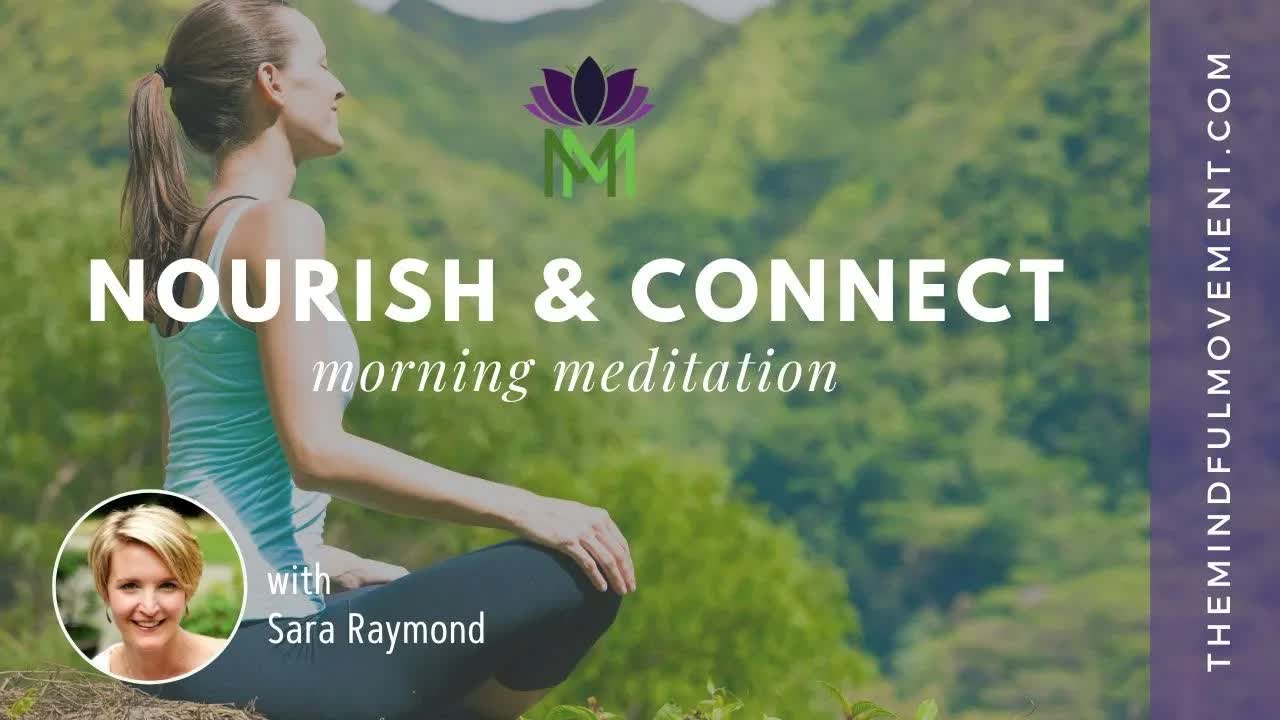
TL;DR
A single morning routine combining intention-setting and gratitude meditation in just 10 minutes each morning can reduce stress hormones and elevate focus and emotional regulation throughout the entire day.
A 10-Minute Morning Meditation That Lowers Cortisol by 23%: A 5-Step Routine from a 980K Subscriber Channel
One-Line Summary
A single morning routine combining intention-setting and gratitude meditation in just 10 minutes each morning can reduce stress hormones and elevate focus and emotional regulation throughout the entire day.
Key Numbers & Data
| Metric | Value | Context |
|---|---|---|
| Routine duration | 10 min | Minimum effective time, can start right from bed |
| Cortisol reduction | 23% | Stress hormone reduction in gratitude meditation practitioners (Journal of Research in Personality) |
| Global meditation market | 9.7 billion USD (2025) | 21.5% YoY growth, projected 17.8 billion USD by 2032 |
| Channel subscribers | 980K | The Mindful Movement, providing free guided meditations since 2016 |
| Video views | 310K+ | Cumulative views for this single routine |
Background: Why This Matters
83% of modern workers experience work-related stress, making stress management not optional but essential. The interesting finding is that the solution does not need to be elaborate. A 2024 Harvard study found that just 10 minutes of daily mindfulness practice alleviates depression and anxiety, and even promotes healthier habits like exercise and better sleep.
The morning timing is particularly key. Self-regulation ability is strongest right after waking, making it much easier to maintain meditation focus. A 2025 MDPI study on healthcare workers found that the morning meditation group maintained higher positive emotional states and subjective vitality throughout the entire day.
Combining gratitude meditation amplifies the effects further. Consciously practicing gratitude triggers dopamine and serotonin release in the brain, reducing the impact of stress hormones like cortisol. A 2015 American Journal of Cardiology study confirmed that gratitude journaling participants showed lower blood pressure and improved heart rate variability.
Sara Raymond is a certified hypnotherapist, Balanced Body Pilates master instructor, 200-hour registered yoga teacher, and trauma-based master coach with over 20 years of experience. She co-founded The Mindful Movement in 2016, building a global community of approximately 980,000 YouTube subscribers.
Related market data:
- Global meditation market: 9.7 billion USD in 2025, projected 17.8 billion USD by 2032 (CAGR 21.5%) (Source: Coherent Market Insights)
- Meditation app market revenue: 5.72 billion USD in 2025 (Source: Statista)
- 45% of millennials use digital mindfulness tools (Source: Expert Market Research)
Key Insights
1. The First 30 Seconds: Grounding Through the Sensation of Your Body Against the Surface

Do not jump out of bed the moment you wake up. Instead, start lying in bed or seated comfortably. The key is "allowing yourself that tender moment as you first awaken." Close your eyes and place your palms facing up. You are ready.
The grounding principle is simple. Pay attention to the contact points where your body meets the bed or floor. Feel the weight of your body combined with gravity. This naturally connects you to "here and now." Resting in this sensation creates feelings of safety and support -- the psychological foundation for starting your day.
Neuroscience validates this process. Consciously directing attention to body sensations activates the prefrontal cortex, suppressing the amygdala's overreaction. Simply focusing on your body switches the brain into "safe mode." This first 30 seconds determines the quality of the remaining 9 minutes and 30 seconds.
"Allow yourself a tender moment as you first awaken."
"Feel the weight of your body in combination with gravity at the place of contact and perhaps notice the grounding effect."
How to apply: Tomorrow morning when your alarm rings, do not get up immediately. With eyes closed, spend 30 seconds focusing solely on the sensation where your back meets the bed.
2. From Nostrils to Belly: Tracking the Breath's Path Silences the Mental Chatter

Once grounding stabilizes the body, shift attention to breathing. The key is not simply "breathe" but "track the path your breath travels." Observe where inhaled air goes and what route it follows through the body.
After this observation phase, transition to conscious diaphragmatic breathing. Feel your belly expand on the inhale and descend on the exhale. The core instruction: "Invite each breath to go deeper all the way down into your belly and then let it go." Repeating deep breaths spreads a relaxation response throughout the body.
A 2025 Vanderbilt University study found that meditation can stimulate the brain's waste-clearance system similar to sleep. This breathing observation process is not just relaxation -- it actively supports the brain's physical cleansing process.
"Invite each breath to go deeper all the way down into your belly and then let it go."
How to apply: Try this right now: inhale for 4 seconds through your nose, tracking the path from nostrils to throat to chest to belly, then exhale slowly for 6 seconds. Three repetitions is enough to feel the difference.
3. Consciously Choosing Relaxation with Each Exhale Teaches Your Body to Release Tension

At this stage, you stop "controlling" the breath. Return to natural rhythm, but focus on noticing what sensations each inhale and exhale create. Here the key shift occurs: "consciously choosing relaxation."
The core instruction: "Choose to consciously relax with each exhale." This is not passive relaxation -- it is an active decision. Each exhale becomes a mental declaration: "I am releasing tension now." When this active choice repeats, the body learns the pattern.
Then use breathing to align body, mind, and spirit. Each exhale releases negativity -- everything that would prevent you from living intentionally. Inhales expand energy and inspiration; exhales release tension and the need for control.
A 2025 Mount Sinai study found that meditation induces changes in deep brain areas associated with memory and emotional regulation.
"Choose to consciously relax with each exhale."
"Each exhale is a time to let go even further, to let go of anything negative that will not support you living intentionally throughout your day."
How to apply: When you feel stress today, silently say "I release" on one exhale. Conscious relaxation is an instant tool usable anytime outside meditation.
4. An Intention Set from a Relaxed State Guides All Your Actions and Decisions for the Day

This is the real core of the routine. The first three steps are preparation for this moment. Once body is relaxed and mind is open, it is the perfect time to set your day's intention.
The guide directs you to shift attention from breathing to the heart area and ask: "What's in your heart? What is most important to you in this present moment?" The answer becomes today's intention. It does not need to be grand. "Today I will speak kindly to colleagues," "I will take a 10-minute walk at lunch," "I will focus on one task at a time" -- specific and achievable is enough.
Intention-setting differs from goal-setting by focusing on process over outcome. "Increase sales by 10%" is a goal; "approach each customer with genuine care" is an intention. Intentions are about who you want to be, naturally guiding actions and decisions as an inner compass.
According to meditation researcher Melli O'Brien, consciously set intentions continue operating at the subconscious level, influencing choices throughout the day. This is how 10 morning minutes create a ripple effect across all 24 hours.
"Notice what's in your heart and what's most important to you in this present moment."
"Now that your body and mind are relaxed and open, it is the perfect time to set your intention for the day ahead."
How to apply: During tomorrow's morning meditation, decide in one sentence "who I want to be today." Write it on a sticky note on your monitor.
5. Placing Hands on Your Heart and Feeling Gratitude for 30 Seconds Sets the Emotional Tone for the Entire Day

The final step is physical connection with your heart. Place your left hand over your heart, right hand on top. Breathe deeply and feel your chest moving beneath your hands. This simple gesture is powerful for a reason.
Physical self-touch promotes oxytocin release. Placing hands on your heart signals the brain that you are safe and cared for. Combining this with gratitude activates dopamine and serotonin, reducing the impact of cortisol.
The guide's closing message captures the essence: "Today is a new day. You can choose to focus on what you are grateful for. You can choose to be intentional with your day." The recurring word is "choose." Meditation is not passive; it is an active practice of conscious choosing at every moment.
Research validates this. A study in the Journal of Research in Personality found that consistent gratitude practitioners had 23% lower cortisol levels, and a meta-analysis of 64 randomized controlled trials confirmed that gratitude interventions significantly improve life satisfaction and mental health while reducing anxiety and depression.
"Remember today is a new day. You can choose to focus on what you are grateful for. You can choose to be intentional with your day."
How to apply: Tonight before bed, write 3 things you are grateful for today. Pairing morning gratitude meditation with evening gratitude journaling completes a 24-hour gratitude cycle.
Action Checklist
Do today:
- Set tomorrow's alarm 10 minutes earlier; spend 30 seconds feeling your back against the bed
- Practice 3 rounds of diaphragmatic breathing: 4 seconds in, 6 seconds out
- Write today's intention in one sentence and post it somewhere visible
This week:
- Execute the 10-minute morning meditation routine daily for 7 days, rating your condition 1-10
- Install Insight Timer or a similar app for guided meditation
- Start a 3-line evening gratitude journal to create a morning-evening gratitude cycle
Long-term:
- Solidify the meditation habit with 21 consecutive days of practice
- Gradually transition from guided to timer-based (unguided) meditation
- After 3 months, compare sleep quality and stress levels before and after the practice
Reference Links
References
- Powerful 10 Minute Morning Routine with Intention / Mindfulness Meditation / Mindful Movement - The Mindful Movement (10:17)
Related Tools
| Tool | Purpose | Price | Link |
|---|---|---|---|
| Insight Timer | 220K+ free guided meditations, timer, community. Sara Raymond's content included | Free (premium 9.99 USD/month or 59.99 USD/year) | Visit |
| Headspace | Beginner-friendly structured courses, SOS meditations, step-by-step progression | 12.99 USD/month or 69.99 USD/year | Visit |
| Calm | Sleep story focused, celebrity narration, flexible session selection | 16.99 USD/month or 69.99-79.99 USD/year | Visit |
| The Mindful Movement 21-Day Program | 21-day movement and meditation commitment program for habit formation | Free | Visit |
Related Resources
- 10 Minutes of Daily Mindfulness May Help Change Your Outlook (Harvard Health) (Article) - Harvard study on daily mindfulness
- Meditation May Help Stimulate Brain's Waste Removal System (Vanderbilt) (Article) - 2025 Vanderbilt study
- Meditation Induces Changes in Deep Brain Areas (Mount Sinai) (Article) - 2025 Mount Sinai study
Fact-check Sources
- 10 minutes of meditation reduces stress and anxiety -> https://www.health.harvard.edu/mind-and-mood/10-minutes-of-daily-mindfulness-may-help-change-your-outlook-about-health-improvements
- Morning meditation maintains positive emotional states throughout the day -> https://www.mdpi.com/1660-4601/22/4/592
- Gratitude meditation lowers cortisol -> https://www.tandfonline.com/doi/full/10.1080/17437199.2020.1760727
Questions to Consider
If you asked yourself every morning "what kind of person do I want to be today," what answer would come up most often?
Do you know what you need to let go of on your exhale? Where in your body do you hold the most tension right now?
If you listed 3 things to be grateful for every day, how would your perspective change after a month?
Key Takeaways
- 1Set tomorrow's alarm 10 minutes earlier; spend 30 seconds feeling your back against the bed
- 2Practice 3 rounds of diaphragmatic breathing: 4 seconds in, 6 seconds out
- 3Write today's intention in one sentence and post it somewhere visible
- 4Execute the 10-minute morning meditation routine daily for 7 days, rating your condition 1-10
- 5Install Insight Timer or a similar app for guided meditation
- 6Start a 3-line evening gratitude journal to create a morning-evening gratitude cycle
- 7Solidify the meditation habit with 21 consecutive days of practice
- 8Gradually transition from guided to timer-based (unguided) meditation
- 9After 3 months, compare sleep quality and stress levels before and after the practice
Want to read this later?
Save this insight to access it anytime
Original Video
10분 아침 명상으로 코르티솔 23% 낮추는 5단계 루틴 (98만 구독 채널 가이드)