Lesson 26 / 46 in Mindset & Wellness
The Mental Breakdown 72% of Founders Face: A 19-Year HR Expert's 3 Steps to Recovery
TL;DR
72% of entrepreneurs experience mental health issues, but most stay silent due to stigma -- self-awareness is the starting point for recovery and growth.
The Mental Breakdown 72% of Founders Face: A 19-Year HR Expert's 3 Steps to Recovery
One-Line Summary
72% of entrepreneurs experience mental health issues, but most stay silent due to stigma -- self-awareness is the starting point for recovery and growth.
Key Numbers & Data
| Metric | Value | Context |
|---|---|---|
| Founders with mental health issues | 72% | About 3x higher than general population (25% per NIMH) |
| Depression probability | 2x the general population | Michael Freeman research; 30% of founders experience depression |
| ADHD probability | 6x the general population | 29% of founders report ADHD |
| Bipolar disorder probability | 10x the general population | 11% of founders experience bipolar disorder |
| Suicidal ideation probability | 2x the general population | Mental health management is directly a survival issue |
| Professional support utilization | 23% | Despite 72% experiencing issues, very few seek help |
Background: Why This Matters
The startup ecosystem is dominated by a culture that glorifies rapid growth, massive fundraising, and endless hours of work. This "hustle culture" makes founders view acknowledging their emotional limits as weakness. According to a 2025 study, 58% of HR managers said they would not hire someone diagnosed with depression for an executive-level role. This is the structural reason founders stay silent.
When a founder's mental health collapses, the impact extends beyond the individual. Burnout leads to co-founder conflicts, toxic organizational culture, high employee turnover, failure to attract key talent, and critical decision-making errors that endanger the entire company.
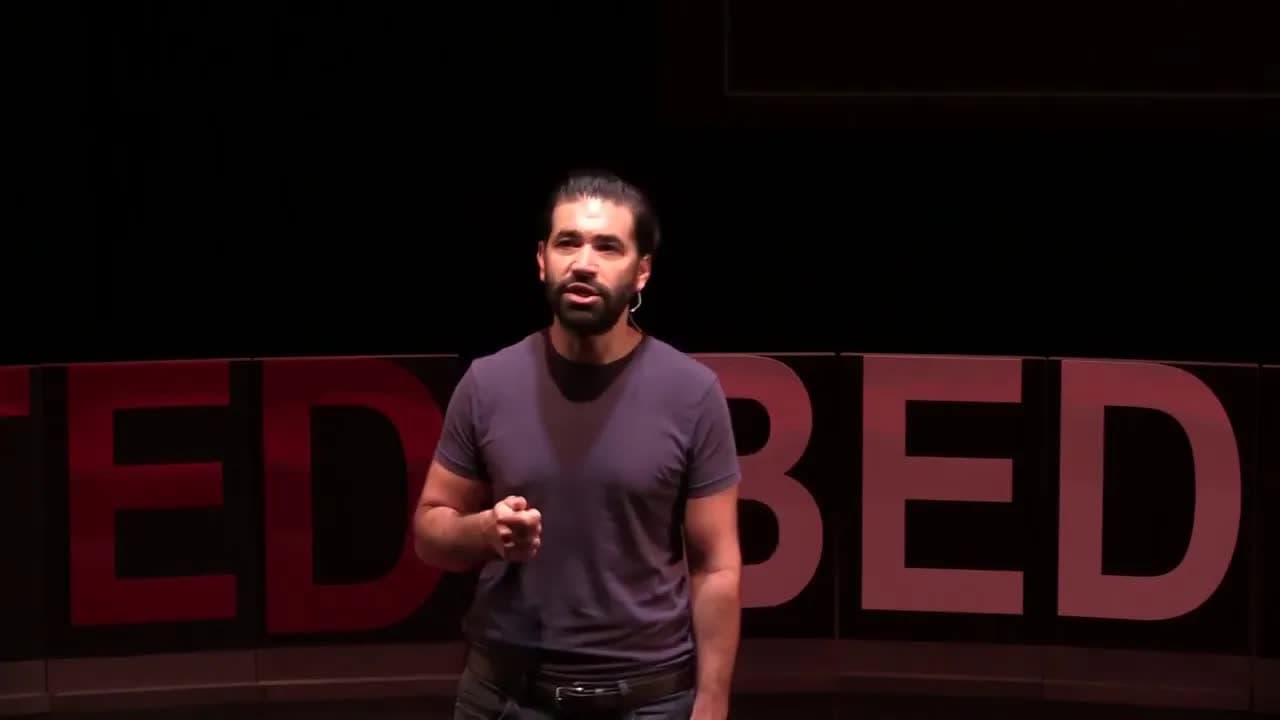
In September 2018, immediately after leaving a fast-growing startup, one person could not stop trembling and crying in his bedroom. Despite being a 19-year expert in organizational culture and talent strategy, he was powerless before his own breakdown. What he learned from that experience -- society's lack of empathy for "invisible wounds" and the healing power of self-awareness -- is the core subject here.
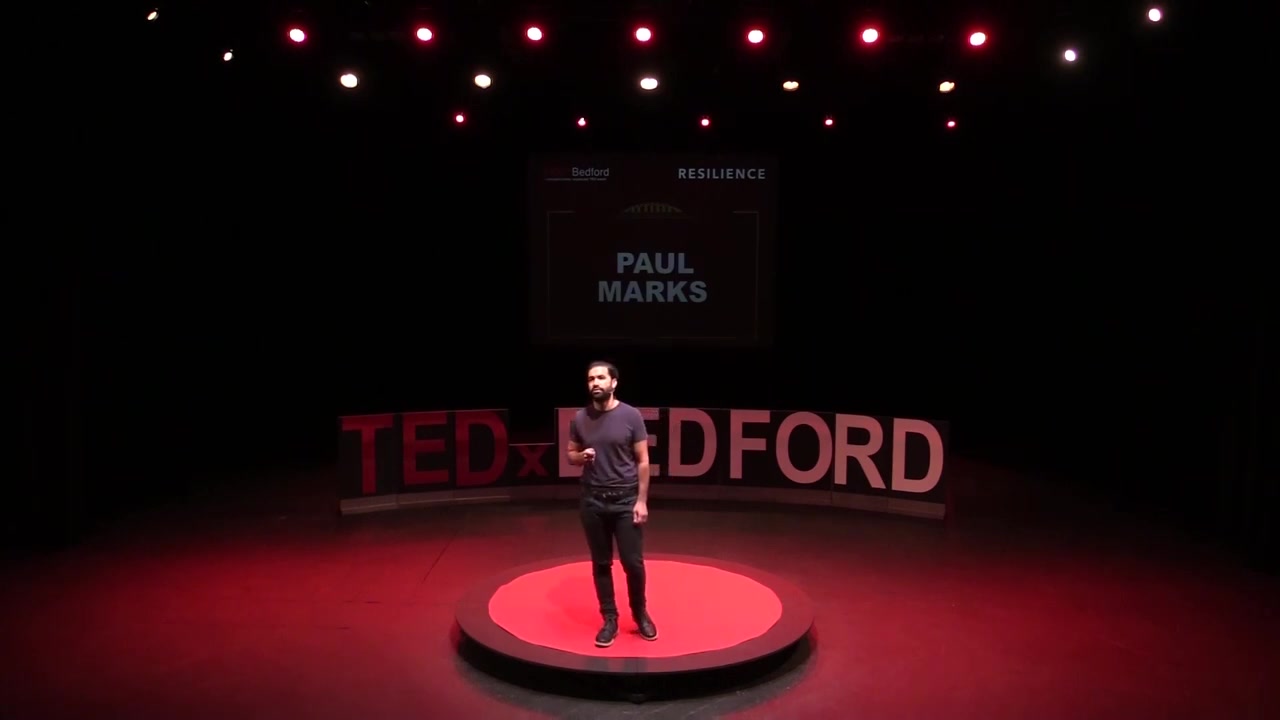
Paul Marks has spent 19 years working in talent strategy, organizational culture, and leadership coaching. After his personal breakdown following a startup departure in September 2018, he founded Healthy Returns, a founder mental health support community, in August 2020.
Related market data:
- 72% of founders experience mental health issues directly or indirectly (49% personal + 23% family history) (Source: Michael Freeman / NIMH)
- 87.7% of founders in 2025 experience at least one of anxiety, depression, or burnout (Source: Founder Reports)
- 54% of founders experienced burnout within the past year (Source: Sifted)
- Only 23% of founders receive professional psychological support (Source: Startup Snapshot)
- 58% of HR managers would not hire someone with a depression diagnosis for an executive role (Source: CEREVITY)
- Only 7% of startups have a formal mental health policy (Source: Founders Network)
Key Insights
1. A Broken Leg Gets You a Seat on the Train, but a Broken Mind Goes Unnoticed
If you have broken bones in your feet, legs, hands, elbows, or shoulders, you know: put on a cast and use crutches, and suddenly everyone around you becomes kind. They ask what happened, worry about you, offer their seat on the train, even want to sign your cast.
But on Friday, September 14, 2018, immediately after leaving a fast-growing startup, when uncontrollable trembling and cold sweats hit in the bedroom, the situation was completely different. Emotionally and physically drained, anxiety, depression, tears, and irritability all hit at once. Calling his wife, crying in her arms while unable to stop shaking. Completely broken. The opposite of the "superhero" his son thought he was.
The key point: when your body breaks, the whole world rushes to help. When your mind breaks, nobody notices. Because there is no bandage around your head. Even when you tell people, the response is "just shake it off" or "it's all in your head." Nobody tells someone with a broken leg to "just walk it off," yet that reaction comes naturally for mental health. This gap is the essence of stigma.
"I felt totally broken. I felt worthless. I felt like I'd let my wife down. I definitely didn't feel like the superhero my son thought I was."
How to apply: For the next week, ask yourself once a day: "How am I really feeling today?"
2. 72% of Founders Experience Mental Health Issues, but Cannot Speak About It in Front of Investors and Employees
According to WHO, 25% of the global population experiences a mental health issue at least once in their lifetime. That alone is a serious number, but for founders and entrepreneurs, it jumps to 72%. Dr. Michael Freeman's research paints an even more specific picture: founders are 2x more likely to experience depression, 6x for ADHD, 3x for substance abuse, 10x for bipolar disorder, and 2x for suicidal ideation compared to the general population.
Why do 72% of founders stay silent? The key lies in the "storytelling trap." Great founders are great storytellers. They persuade investors, inspire teams, and captivate customers. But there is a chapter missing from that story: how they truly feel inside. They hide their most important story out of fear of being judged by partners, investors, customers, and employees.
Startup media worsens this problem. Headlines focused on money and speed -- "who raised how much," "who grew fastest" -- make founders who do not fit this formula feel like they are "not trying hard enough."
"Great founders are great storytellers. They have the ability to tell stories that inform, engage, persuade and inspire. However, these great storytellers are not telling us the full story."
How to apply: In your next team meeting, create space to honestly share not just "what's going well" but also "what's hardest right now."
3. Stop, Observe Yourself, and Ask the Real Questions -- Self-Awareness Changes Everything
The key is self-awareness. Self-awareness means stopping yourself while running and observing yourself as if from the outside.
Founders become so immersed in action, tasks, and team that they forget to step back and look at who they really are. They completely forget to ask themselves important questions: "How am I really feeling today?" "Why am I so anxious right now?" "Am I ready to face my problems?"
Self-awareness leads to acknowledging your problems and emotions, and understanding your true inner self. Acknowledgment enables seeking help, and seeking help enables recovery. Creating an open culture is important at the organizational level too. When everyone from the receptionist to the founder treats seeking help and self-care as normal behavior, it becomes a company-wide habit.
"Self-awareness is key to taking care of your mental health. For founders, being self-aware forces you to slow down and observe yourself like an outsider."
How to apply: Every morning, spend 5 minutes writing in a notebook: "My emotional state today," "What I am most anxious about," and "One thing I can do for myself."
4. Not a Lone Hero, but a Community That Lifts Each Other Up
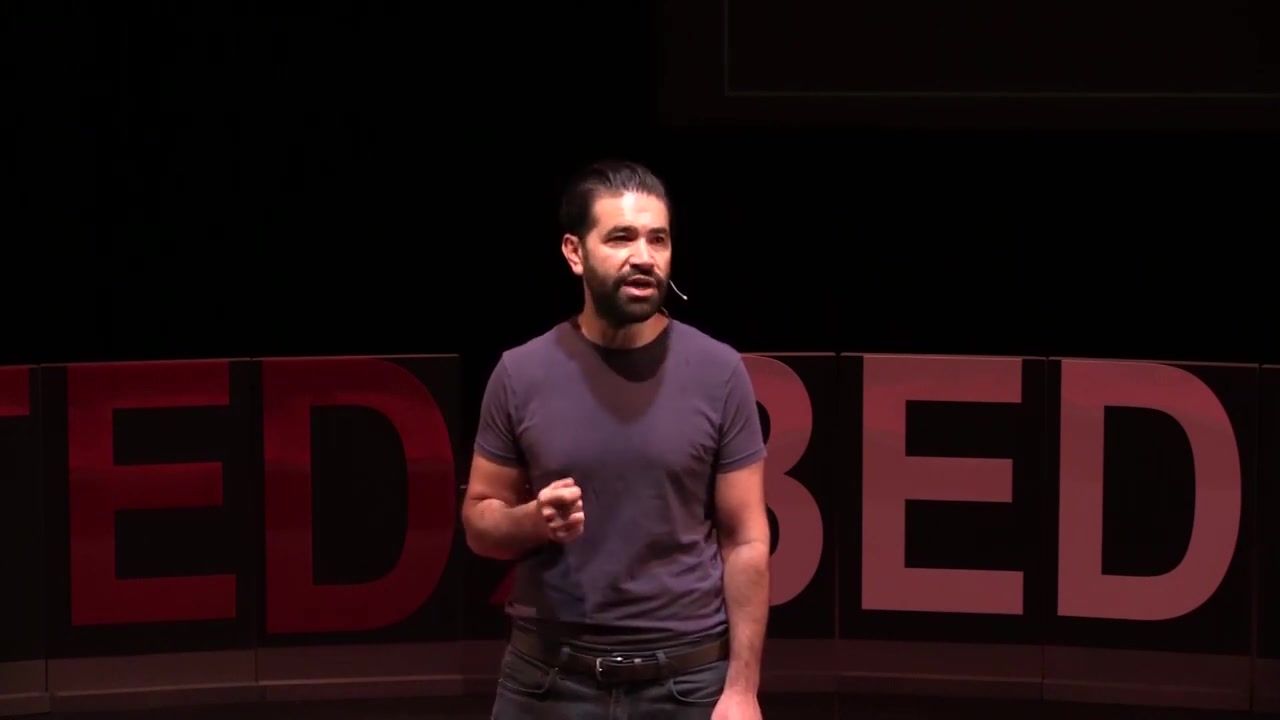
As public figures like Prince Harry, Alastair Campbell, and Ruby Wax began speaking openly about their mental health challenges, the recognition that "showing vulnerability is true courage" has been spreading. Inspired by this movement, the Healthy Returns founder mental health community was born.
The core message is simple: "Where there is hope, there is life, and where there is life, there is hope." Behind every innovative idea are the people, the heroes, the dreamers who drive it. The same level of resources invested in products and services must be invested in those people.
Three specific things are needed: First, normalizing conversations about mental health. Second, creating a culture where people can comfortably raise their hand when they need help. Third, moving mental health from the periphery of startup culture to the mainstream. In 2025, while 87% of founders experience at least one of anxiety, depression, or burnout, only 7% of startups have a formal mental health policy.
"Where there is hope, there is life, and where there is life, there is hope."
"We have two hands -- one to help ourselves and one to help others. We rise by lifting others up."
How to apply: Find a founder community (online or offline) where you can share similar concerns and join this week.
Mentioned tools:
- Healthy Returns - Founder mental health coaching and community support platform
5. Responsive and Self-Aware Founders Are the Ones Who Ultimately Survive
Breaking the mental health stigma is not just "doing good." It is economically essential. Founders and their businesses are the core engines of job creation, productivity improvement, competition, and introduction of new technologies and services.
Investment must be made in making founders responsive, resilient, and self-aware. These three capabilities ultimately converge into one thing: the ability to run long rather than run fast. According to a 2025 survey, 54% of founders experienced burnout within the past year. The difference between those who recover and run again and those who do not comes down to whether they can recognize their limits and know how to seek help.
The final message: "Be brave, be kind, be there." We all live in one world, and being a friend to each other matters more than ever. The founder who embraces mental health today is the founder who thrives tomorrow.
"Be brave, be kind, be there. We live in one world together. It's more important than ever to be a friend to all."
How to apply: This week, sincerely ask a fellow founder "How are you really doing?" and listen without judgment.
Action Checklist
Do today:
- Start a daily 5-minute morning routine writing "my emotional state today" in a notebook
- Ask yourself once today: "How am I really feeling?"
- Sincerely ask one fellow founder: "How are you really doing lately?"
This week:
- Join one founder mental health community (Healthy Returns, Founders Network, etc.)
- Add 5 minutes to team meetings for sharing "what's hardest right now"
- Install a meditation app (Headspace, Calm) and build a 10-minute daily routine
Long-term:
- Schedule quarterly mental health check-ins on your personal calendar
- Make monthly professional counseling or coaching a normal routine
- Establish a company-wide mental health policy and share it across the organization
Reference Links
References
- Breaking the Mental Health Stigma in Entrepreneurship | Paul Marks | TEDxBedford - TEDx Talks (12:41)
Related Tools
| Tool | Purpose | Price | Link |
|---|---|---|---|
| Healthy Returns | Founder mental health coaching, nutrition programs, community support | Contact for pricing | Visit |
| Headspace | Mindfulness meditation, stress management, sleep support | 12.99 USD/month and up | Visit |
| BetterHelp | Online counseling platform with 30,000+ therapists | 65-100 USD/week | Visit |
| Calm | Meditation, sleep stories, stress management wellness app | 69.99 USD/year | Visit |
Related Resources
- Michael Freeman: Are Entrepreneurs Touched with Fire (Research) - Study comparing 242 founders vs 93 general population, source of the 72% statistic
- The Untold Toll: Startup Founder Stress Report (Report) - Comprehensive research on founder stress and wellbeing
- Startup Pressure Is Real: Why 72% of Founders Struggle with Mental Health (Article) - Deep analysis based on the 72% statistic
Fact-check Sources
- 72% of founders experience mental health issues → https://link.springer.com/article/10.1007/s11187-018-0059-8
- Founders have 2x depression, 6x ADHD, 10x bipolar rates → https://www.startupgrind.com/blog/genius-in-madness-72-of-entrepreneurs-affected-by-mental-health-conditions/
- 25% of population experiences mental health issues per WHO → https://founderreports.com/entrepreneur-mental-health-statistics/
Questions to Consider
Is there an emotional burden you are carrying alone right now, unable to share with anyone?
Is your team environment truly safe for someone to say "I'm struggling"? If not, what can you change?
Between growing fast and lasting long, where do you stand right now?
Key Takeaways
- 1Start a daily 5-minute morning routine writing "my emotional state today" in a notebook
- 2Ask yourself once today: "How am I really feeling?"
- 3Sincerely ask one fellow founder: "How are you really doing lately?"
- 4Join one founder mental health community (Healthy Returns, Founders Network, etc.)
- 5Add 5 minutes to team meetings for sharing "what's hardest right now"
- 6Install a meditation app (Headspace, Calm) and build a 10-minute daily routine
- 7Schedule quarterly mental health check-ins on your personal calendar
- 8Make monthly professional counseling or coaching a normal routine
- 9Establish a company-wide mental health policy and share it across the organization
Want to read this later?
Save this insight to access it anytime
Original Video
창업자 72%가 겪는 멘탈 붕괴, 19년차 HR 전문가가 알려주는 회복의 3단계