Lesson 25 / 46 in Mindset & Wellness
13 Science-Backed Stress Management Techniques: From 2-Second Fixes to Life-Changing Habits
TL;DR
77% of Americans experience workplace stress, and over 80% are at burnout risk. From laughter that lowers cortisol by 32% to journaling that resets the brain, here are 13 scientifically validated stress relief methods organized by difficulty.
13 Science-Backed Stress Management Techniques: From 2-Second Fixes to Life-Changing Habits
One-Line Summary
77% of Americans experience workplace stress, and over 80% are at burnout risk. From laughter that lowers cortisol by 32% to journaling that resets the brain, here are 13 scientifically validated stress relief methods organized by difficulty.
Key Numbers & Data
| Metric | Figure | Context |
|---|---|---|
| Laughter's Cortisol Reduction | 32% | PLOS One meta-analysis: spontaneous laughter reduces cortisol by an average of 32% |
| Pet Interaction Stress Relief | 10 minutes | Petting a cat or dog for just 10 minutes significantly reduces cortisol |
| Exercise Stress Reduction | 2.3 points on a 10-point scale | 30 minutes daily aerobic exercise for one month lowered stress by 2.3 points |
| Journaling Cortisol Reduction | 23% | Regular journaling practitioners showed up to 23% cortisol decrease in clinical studies |
| US Worker Stress Rate | 77% | APA survey: 77% of Americans experienced workplace stress in the past month |
| Required Sleep | Minimum 7 hours | Sleep and cortisol have a bidirectional relationship -- under 7 hours impairs stress hormone regulation |
Background: Why This Matters
Modern stress levels are at historic highs. According to the APA's "Stress in America" report, 75% of Americans say stress has increased over the past 5 years, and Mercer's Global Talent Trends report warns that over 80% of workers are at burnout risk.
Gen Z and Millennials reach peak stress by age 25 on average -- 17 years earlier than the overall American average (age 42). The American Institute of Stress estimates that workplace stress costs the US economy 300 billion USD (approximately 420 trillion KRW) annually.
Stress management is not a luxury "healing" choice but an essential strategy for protecting health and productivity. A 2026 comprehensive review analyzed over 200 studies validating 16 behavioral stress reduction programs, and the core conclusion was simple: different techniques work for different people, so try several and find what works for you.
Key Insights
1. Laughter Lowers Cortisol by 32% -- The Scientific Reason to Watch Netflix Tonight
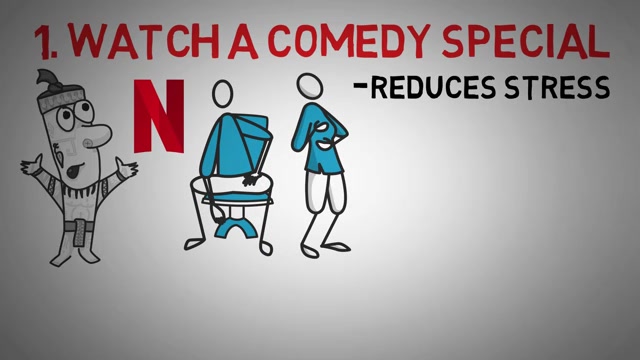
One of the most immediate stress relievers is laughter. The point is not forcing yourself to laugh, but creating an environment where laughter happens naturally. Search Netflix for a comedy special and put one on tonight.
A PLOS One meta-analysis found that spontaneous laughter reduces cortisol by an average of 32%. Analyzing 8 studies with 315 participants, a single laughter session showed approximately 37% cortisol reduction. Whether watching comedy movies or receiving laughter therapy, the method did not matter.
Laughter's benefits extend beyond stress hormone reduction: muscle relaxation, improved circulation, immune system boost, and even physical pain relief. A study of 300 people found that laughter tendency was inversely correlated with coronary heart disease incidence.
"I was laughing so hard I was out of breath and starving."
Practical Application: Tonight, pick a comedy special on Netflix or YouTube and watch for at least 20 minutes. Save your favorite comedian for future stress emergencies.
2. Social Isolation Increases Cardiovascular Risk by 29% -- Relationships Are Health Insurance
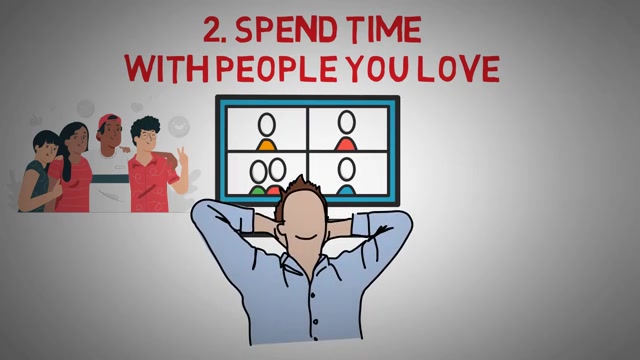
A Nature meta-analysis of 19 studies found that social isolation or loneliness increases cardiovascular disease risk by 29%, coronary heart disease by 29%, and stroke by 32%. The mechanism is established: loneliness activates the HPA axis and sympathetic nervous system, leading to chronic inflammation.
"Social interaction and support actually reduce stress and improve overall immune health."
Practical Application: This week, make a video call to a friend or family member you have not contacted in a while. Ensure at least one meaningful social interaction per week.
3. 10 Minutes of Physical Contact Triggers an Oxytocin Rush -- The Science Behind Pet Therapy
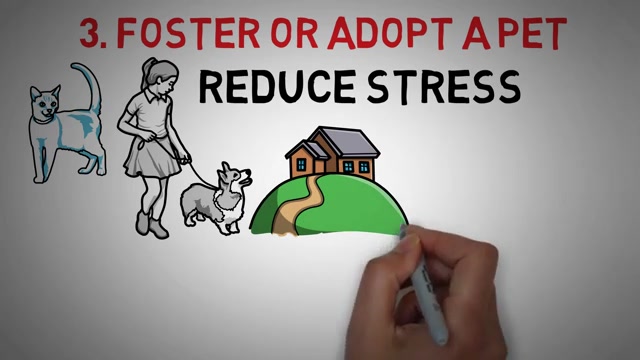
Research shows that just 10 minutes of petting a cat or dog significantly lowers cortisol. Even 3 minutes of physical interaction with a puppy raises blood oxytocin levels. According to Johns Hopkins, pet interaction affects serotonin, dopamine, phenylethylamine, endorphins, and prolactin.
"Maggie is so warm and lovable, anyone would feel comfortable around her."
Practical Application: If you have a pet, spend at least 10 minutes playing together today. If not, search for local animal shelter volunteer schedules this weekend.
4. The Power of Sensory Diet -- Reducing Stimuli Reduces Stress
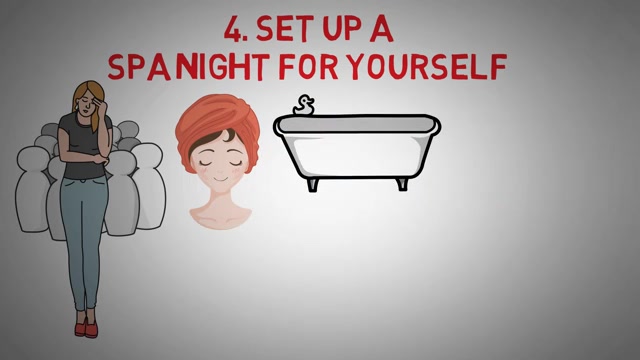
If social interaction is causing your stress, try the opposite strategy: reduce sensory input. Dim the lights, switch to calm music, and soak in warm water. The most dramatic option is a sensory deprivation (float) tank. A more accessible approach: book a hotel room with a jacuzzi once or twice a year for about 150 USD -- a worthwhile self-investment.
"Once you get in a sensory deprivation tank, the stress practically disappears instantly."
Practical Application: This week, dedicate one evening to a self-spa night: turn off your smartphone, dim the lights, and enjoy a warm bath or shower.
5. Lavender Calms the Sympathetic Nervous System -- The Scientific Power of a 7 USD Candle
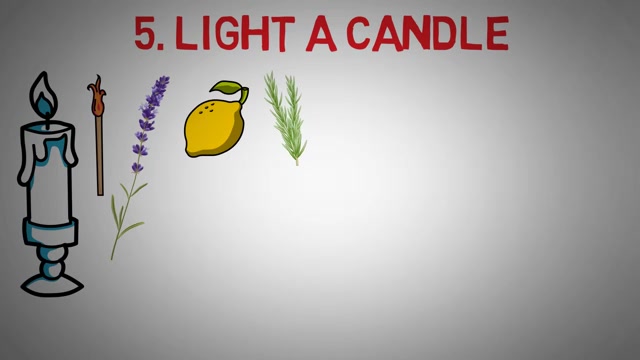
Scent signals travel directly to the limbic system (emotion center) without passing through the thalamus. A 2017 systematic review of 12 studies found that inhaling certain essential oils significantly reduced cortisol and subjective stress measures. Lavender, bergamot, and ylang-ylang showed the clearest anxiety-reducing effects. Lavender's key component, linalool, reduces sympathetic nervous system activity.
"I got hooked on candles. Absolutely addicted."
Practical Application: Buy a lavender-scented candle or diffuser and light it before bed or while working. Observe how the scent affects your mood.
6. Finding Mindfulness in Dishes -- How Small Achievements Melt Away Stress
Stress relief does not require grand gestures. The key is finding activities where you can see progress. Washing dishes -- from a messy sink to a clean kitchen -- provides visible progress that creates a sense of achievement. The key is being mindful during the activity: focusing on water temperature, suds, and the tactile sensation of clean dishes.
"I want to leave each day in a better state than I found it. Dishes give me that small sense of achievement."
Practical Application: Today, spend 10 minutes doing a simple, results-visible activity (dishes, desk organizing, folding laundry) mindfully.
7. A 30-Minute Drive Can Replace Meditation -- The Power of Moving Contemplation
Driving provides "moderate cognitive load" -- not complex enough to prevent free thinking, but engaging enough to prevent rumination spirals. It creates a "moving meditation" effect.
"My best ideas came while sitting in the car watching the sunset."
Practical Application: On a stressful day this week, take a 30-minute drive while listening to your favorite music or podcast. No destination needed.
8. 30 Minutes of Daily Cardio Lowers Stress by 2.3 Points -- ADAA's Number One Stress Fighter
The ADAA (Anxiety and Depression Association of America) recommends 3-5 sessions per week of 30-minute aerobic exercise. Remarkably, even just 5 minutes of cardio begins to reduce anxiety. Tracking showed that a month with daily 30-minute cardio averaged 2.3 points lower stress on a 10-point scale.
"Comparing a month without cardio to a month with daily 30-minute sessions, stress dropped by 2.3 points on a 10-point scale."
Practical Application: Start a 30-minute daily walk tomorrow. Fast walking counts. Check your stress level after one week.
9. The Cortisol-Sleep Vicious Cycle -- Why Under 7 Hours Creates a Stress Bomb
Sleep deprivation and cortisol form a vicious cycle: poor sleep raises cortisol, which makes it harder to sleep, which leads to worse sleep, which creates more stress the next day. A PMC review confirmed this bidirectional relationship. No matter how busy your schedule, securing a minimum of 7 hours of uninterrupted quality sleep is essential.
"High stress makes it harder to fall asleep, and that poor sleep creates even more stress the next day."
Practical Application: Tonight, move bedtime 30 minutes earlier. Stop smartphone use 1 hour before bed. Target 7+ hours of sleep.
10. Monthly Therapist Check-Ins Are Enough -- Seeing a Therapist Is Maintenance, Not a Breakdown
An important mindset shift: seeing a therapist is like regular car maintenance, not emergency repair. A monthly check-in provides objective evaluation of your mental state. Having someone you can talk to honestly, without judgment, is itself a powerful stress reliever.
"Having someone in your life you can talk to honestly without judgment is an enormous stress relief in itself."
Practical Application: Book an initial consultation on an online therapy platform. Build a monthly check-in routine with a professional.
11. The Art of Saying "No" -- How Boundaries Block Future Stress
Boundary setting is a proactive stress prevention strategy. A 2025 Vanderbilt University study found that workplace boundary setting plays a central role in burnout prevention. It can start with a simple sentence: "I can't work overtime today" or "I don't have the capacity to give advice right now."
"Refusing overtime or telling a friend you don't have the bandwidth to help right now -- that's how boundary setting starts."
Practical Application: Write down 3 personal boundaries you will not cross (e.g., no work messages after hours, one full personal day per weekend).
12. High-Energy Music Can Actually Increase Stress -- The Power of Intentional Music Switching
This is the simplest stress management technique -- executable in 2 seconds. High-energy music (EDM, hip-hop, hard rock) can elevate arousal levels too high over extended periods. Intentionally switching to calm music, Lo-Fi, classical, or ambient sounds can rapidly settle the mind.
"Listening to too much high-energy music can actually start increasing your stress."
Practical Application: Save "stress relief" or "calm" playlists on Spotify or Apple Music. Switch to them when afternoon focus drops.
13. Journaling Activates the Prefrontal Cortex and Calms the Amygdala -- The Cheapest Brain Reset
UCLA neuroimaging research shows that expressive writing activates the prefrontal cortex (executive control center) while suppressing amygdala (threat detection) activity. Regular journaling practitioners showed up to 23% cortisol reduction. A 2018 study found that journaling just 3 days per week for 15 minutes per day lowered blood pressure, reduced cortisol by 19%, and improved well-being after one month.
"I journal every day. If I didn't, I'd be way more stressed. I wouldn't be able to track my goals and progress."
Practical Application: Tonight before bed, spend 5 minutes writing down 3 emotions you felt today and why. App or paper notebook -- either works.
Action Checklist
Today:
- Watch a comedy special or funny content for 20+ minutes tonight
- Switch current music to a calming playlist
- Before bed, write 3 emotions from today in a notebook
- Move bedtime 30 minutes earlier and put down your smartphone
This week:
- Start 30-minute daily walking or aerobic exercise
- Make one video call to someone you have not contacted recently
- Buy a lavender candle or diffuser
- Have one self-spa night (warm bath + dim lighting)
Long-term:
- Build a monthly therapist check-in routine via online counseling
- Define your 3 personal boundaries and communicate them
- Form a daily journaling habit (start with 3 days/week, 15 min/day)
- Consider pet adoption or regular animal shelter volunteering
Reference Links
Source Material
- 13 Stress Management Techniques - Practical Psychology (11:55)
Related Resources
- Exercise for Stress and Anxiety (Article) - ADAA's official exercise-stress management guide
- Laughter as medicine: PLOS One meta-analysis (Article) - Systematic review on laughter's cortisol reduction effects
- Sleep and Circadian Regulation of Cortisol (Article) - Review on the bidirectional relationship between sleep and cortisol
- Social isolation and cardiovascular disease risk (Article) - Meta-analysis on social isolation's impact on cardiovascular disease
- Journaling mental health efficacy (Article) - Systematic review on journaling's mental health effects
- Setting boundaries at work - Vanderbilt University (Article) - Vanderbilt study on workplace boundary setting and well-being
Questions to Consider
Of the 13 techniques, which can you start most easily right now, and which do you need most but keep putting off?
What is the root cause of your current stress? Work, relationships, finances, health -- where does most of it come from?
Have you ever thought about your personal boundaries? Have you ever accumulated stress because you could not say "no" to someone?
Key Takeaways
- 1Watch a comedy special or funny content for 20+ minutes tonight
- 2Switch current music to a calming playlist
- 3Before bed, write 3 emotions from today in a notebook
- 4Move bedtime 30 minutes earlier and put down your smartphone
- 5Start 30-minute daily walking or aerobic exercise
- 6Make one video call to someone you have not contacted recently
- 7Buy a lavender candle or diffuser
- 8Have one self-spa night (warm bath + dim lighting)
- 9Build a monthly therapist check-in routine via online counseling
- 10Define your 3 personal boundaries and communicate them
- 11Form a daily journaling habit (start with 3 days/week, 15 min/day)
- 12Consider pet adoption or regular animal shelter volunteering
Want to read this later?
Save this insight to access it anytime
Original Video
13 Stress Management Techniques