Lesson 30 / 46 in Mindset & Wellness
How to Reclaim Focus and Inner Strength in 15 Minutes with Mindfulness Meditation (Science-Backed)
TL;DR
Daily 15-minute breathing meditation has been shown to improve attention, memory, and emotional regulation. The core technique is "Single-Pointed Focus" -- simple yet powerful.
How to Reclaim Focus and Inner Strength in 15 Minutes with Mindfulness Meditation
One-Line Summary
Daily 15-minute breathing meditation has been shown to improve attention, memory, and emotional regulation. The core technique is "Single-Pointed Focus" -- simple yet powerful.
Key Numbers & Data
| Metric | Figure | Context |
|---|---|---|
| Meditation Time | 15 minutes | Minimum unit that can drive brain structural changes when practiced daily |
| Global Meditation Market | 7.5 billion USD (2025) | Projected to reach 17.8 billion USD by 2032 (13.1% annual growth) |
| Attention Improvement | 30 days | USC study: 30-day meditation significantly improves attentional accuracy and speed across all ages |
| Millennial Mindfulness Tool Usage | 45% | 45% of millennials use digital mindfulness tools |
Background: Why This Matters
Modern attention spans keep shrinking while smartphone notifications and social media constantly fracture our focus. Regaining the sense that "I control my own mind" has never been more important.
Mindfulness meditation is no longer exclusive to spiritual practitioners. A 2025 Mount Sinai study showed meditation induces real changes in deep brain areas involved in memory and emotional regulation. UC San Diego researchers discovered that focused meditation activates the brain's waste removal system in a manner similar to sleep.
This meditation reinterprets the yoga tradition of Dharana for modern practitioners: fixing awareness on the physical sensation of breathing, and when the mind wanders, returning without judgment. Simple, but it stimulates neuroplasticity and strengthens prefrontal-amygdala connections, changing everyday stress responses.
Mark Spicoluk is a former Sum 41 bassist and Universal Music Canada A&R head who started yoga after a 2014 snowboarding injury. He completed 200-hour yoga teacher certification in India and studied mindfulness and Buddhism at a Tibetan monastery in Nepal. Boho Beautiful now has over 2.5 million subscribers and 425,000 Instagram followers.
Key Insights
1. Meditation Begins with Accepting That "Right Now Is Perfect"

The most common mistake when starting meditation is the compulsion that you must "create a good state." Effective meditation starts with the opposite: accepting whatever is happening in your body and mind without judgment.
The core message: "Whatever is going on right now is perfect because it's you." This acceptance becomes the foundation for the entire meditation. Anxious? Fine. Scattered? Fine. That state is exactly the starting point.
"It's perfect whatever is going on. It's perfect because it's you. So do not judge it."
Practical Application: Before starting meditation, spend 10 seconds telling yourself "Whatever my state is right now, it's okay."
2. The Key to Reclaiming Mental Control Is "Intentionally Slowing Down the Breath"
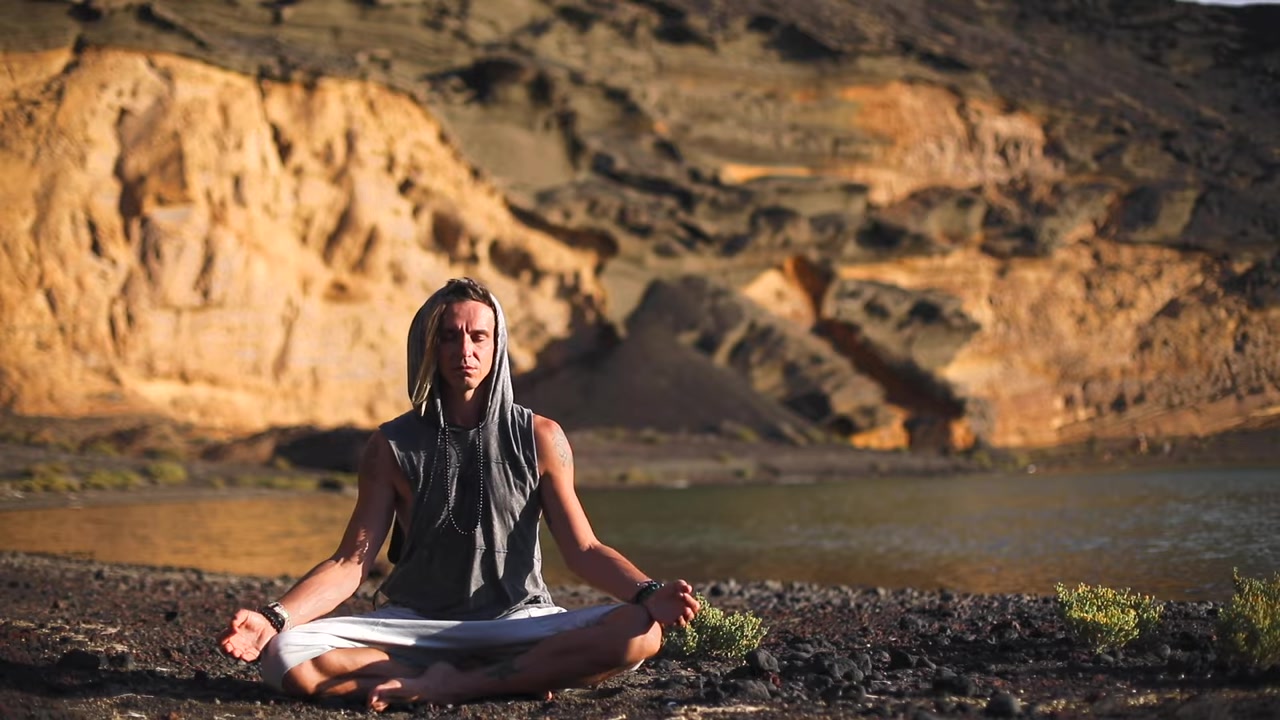
The core intention of this meditation is clear: reclaiming the power that determines our own reality. What you think about and what you focus on manufactures how your reality unfolds.
The practical method is simple: bring awareness to your breath and slightly slow it down. Inhale deeply and feel warm air leaving the body as you exhale slowly. Breathing through nose or mouth -- whatever is comfortable matters most.
The mind has a dual nature: it can control you or be controlled. Therefore, we must cultivate a deeper, more compassionate influence over the mind. This is not suppression but a relationship reset.
"What you think about and what you focus on manufactures the entire constitution of how your reality unfolds."
Practical Application: When stressed, try a "micro meditation" of 3 deep breaths focused solely on the breath sensation.
3. Return a Wandering Mind "Like Gently Placing a Kitten Back in Its Box"
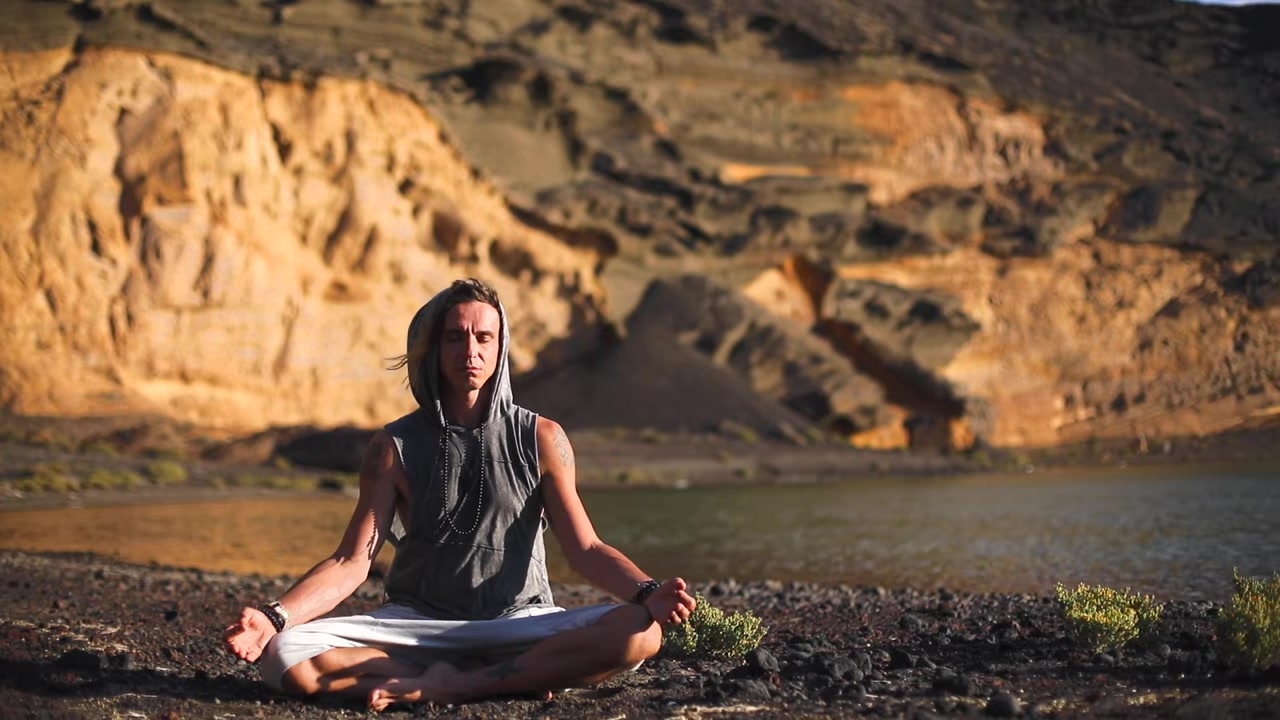
The core technique -- "Single-Pointed Focus" -- is called Dharana in yoga tradition, the sixth limb of Patanjali's Yoga Sutras. Focus on the physical sensation of air filling the lungs and slowly leaving. Without judgment, without specific goals, place awareness on the peaceful rise and fall of breath.
The most striking metaphor: when the mind wanders (and it definitely will), simply notice, and with compassion and zero emotional reaction, pick it up as if it is a kitten that wandered out of its box and gently place it back. No emotional reaction. No self-criticism.
A 2025 USC study found that this focus-drift-return repetition significantly improved attentional speed and accuracy in just 30 days, regardless of age. The key is not holding the mind still, but building the "muscle" that notices wandering and returns.
"When your mind wanders, because it definitely will, simply take notice and with compassion and no emotional reaction whatsoever, just pick it up as if it's a kitten that wandered out of its box and place it gently back where it belongs."
Practical Application: Today, spend 5 minutes focusing only on breathing and count (without judging) how many times your mind wanders. This alone improves metacognitive ability.
4. Do Not Suppress the Mind -- Treat It as a "Formidable Opponent" Worthy of Respect
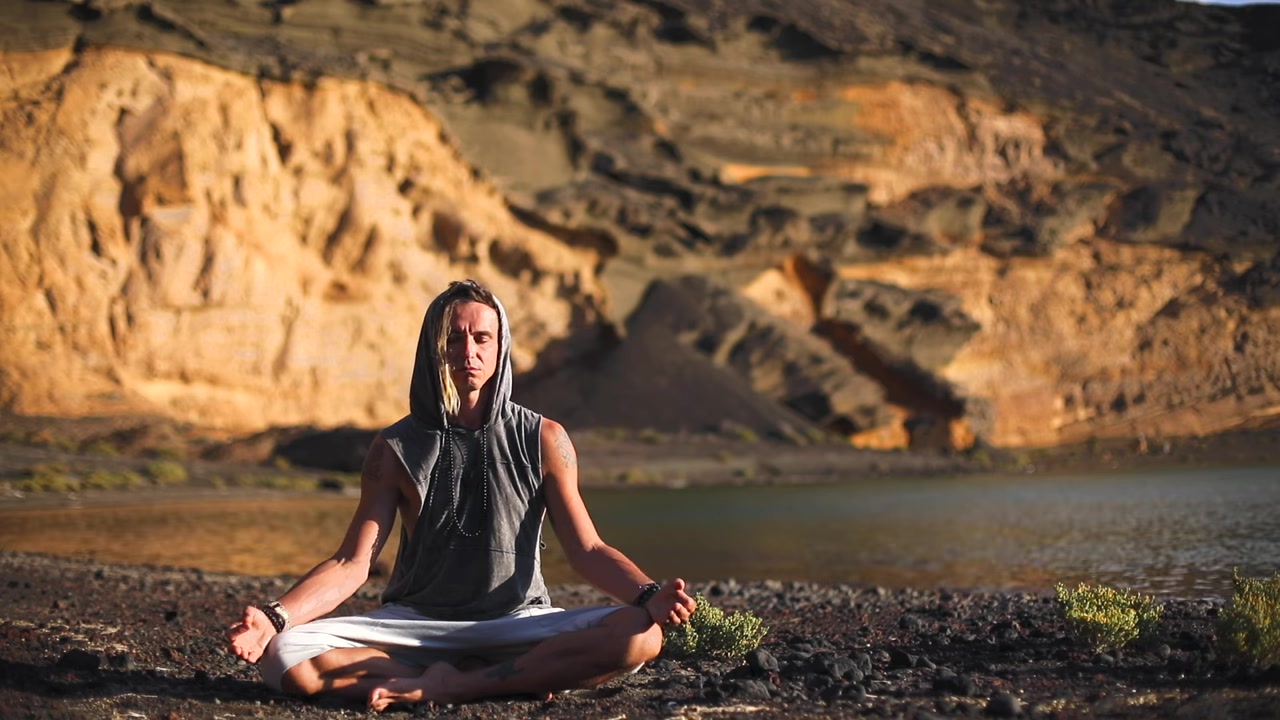
The deepest perspective in this meditation frames the mind not as an enemy but as a "formidable opponent" deserving respect. The mind normally operates with complete autonomy, so it naturally resists when you try to reclaim control.
The mind's strategies are diverse: sudden itching, uncomfortable sensations, distracting emotions. These are all "tricks" the mind uses to steal your focus. The response: smile internally, with love and respect. Acknowledge the mind's skill at pulling you away. Note which strategy it used -- itching? worry? past memory? Then return to the next breath.
This meditation is described as a "game" for a reason. There is no winner or loser. You cannot be good at it or fail. Success lies solely in the fact that you are doing the exercise.
"The mind is a formidable opponent and you must respect it, for it is you just as you are it."
"There's no winner and no loser. You can neither be good at it or fail, because the success is simply in the process of the exercise."
Practical Application: During your next meditation, record your mind's wandering patterns. Categorize them: body sensation, future worry, past memory, to-do list. Your mind's patterns will become visible.
5. The Real Effect of Meditation Appears When You "Return Daily" -- The Mind Resists Less and It Becomes a Beautiful Dance

Post-meditation reflection is as important as the meditation itself. Ask yourself: what changed from start to finish? What emotions arose? What tricks did the mind use? How often did you notice and return? How often did you let the mind wander too long?
With regular practice, the mind resists less and less. Eventually, the natural push and pull of focus and attention begins to feel like a beautiful dance -- something you can always rely on, return to, and find deep benefit and gratitude in.
A 2024 Frontiers in Human Neuroscience study found that long-term meditators spend more time in sensory and attention-related brain states with improved inter-region synchronization. Consistent practice literally changes the brain's default operating mode.
"If you come back to this exercise on a regular basis, the mind always tends to struggle less and less with frequency. Eventually the natural push and pull of focus and attention can begin to feel like a beautiful dance."
Practical Application: Try 15-minute daily meditation for 7 days, writing a 1-minute reflection journal after each session. Compare day 1 and day 7.
Action Checklist
Today:
- Sit comfortably and try a 5-minute mini meditation focusing only on breathing
- When the mind wanders, recall the "kitten metaphor" and return gently instead of self-criticizing
- After meditation, write a 1-minute reflection note on "what tricks the mind used"
This week:
- Try a daily 15-minute morning or evening meditation routine for 7 days
- Apply "micro meditation" (3 deep breaths + breath focus) 3 times daily during stressful moments
- Choose a meditation app and start with guided sessions (Boho Beautiful, Headspace, Calm, etc.)
Long-term:
- Complete a 30-day meditation challenge -- USC research shows measurable attention improvement at this point
- Keep a meditation journal to track long-term changes in mind-wandering patterns
- Apply single-pointed focus technique to everyday activities (eating, walking, conversations)
Reference Links
Source Material
- 15 min Guided Meditation For Peace, Focus, & A Powerful Mind - Boho Beautiful Meditation (15:42)
Related Tools
| Tool | Purpose | Price | Link |
|---|---|---|---|
| Boho Beautiful App | Yoga, Pilates, meditation, and breathwork streaming platform with 14,000+ 5-star reviews | 16.99 USD/mo or 119.99 USD/yr (7-day free trial) | Visit |
Related Resources
- USC Study: Mindfulness Meditation Improves Attention in Adults of All Ages (Article) - 30-day app-based meditation improves attentional accuracy and speed
- Mount Sinai Study: Meditation Induces Changes in Deep Brain Areas (Article) - Latest research on meditation's deep brain changes
- Vanderbilt Study: Meditation Stimulates Brain's Waste Removal System (Article) - Focused meditation improves cerebrospinal fluid flow
Questions to Consider
What is the ratio of time you spend "consciously choosing" your thoughts versus time spent being pulled by the mind's "automatic" thoughts during the day?
What is the mind's most frequent "attention-stealing strategy"? (Future worry? Past regret? Body sensation? To-do list?)
If investing 15 minutes daily for 30 days could simultaneously improve focus and inner peace, how would that ROI compare to any other self-improvement activity?
Key Takeaways
- 1Sit comfortably and try a 5-minute mini meditation focusing only on breathing
- 2When the mind wanders, recall the "kitten metaphor" and return gently instead of self-criticizing
- 3After meditation, write a 1-minute reflection note on "what tricks the mind used"
- 4Try a daily 15-minute morning or evening meditation routine for 7 days
- 5Apply "micro meditation" (3 deep breaths + breath focus) 3 times daily during stressful moments
- 6Choose a meditation app and start with guided sessions (Boho Beautiful, Headspace, Calm, etc.)
- 7Complete a 30-day meditation challenge -- USC research shows measurable attention improvement at this point
- 8Keep a meditation journal to track long-term changes in mind-wandering patterns
- 9Apply single-pointed focus technique to everyday activities (eating, walking, conversations)
Want to read this later?
Save this insight to access it anytime