Lesson 29 / 46 in Mindset & Wellness
How a Woman in Her 30s Lost Everything to Burnout for 6 Years — Then Saved 15,000 Lives with Her 5-Step Recovery Strategy
TL;DR
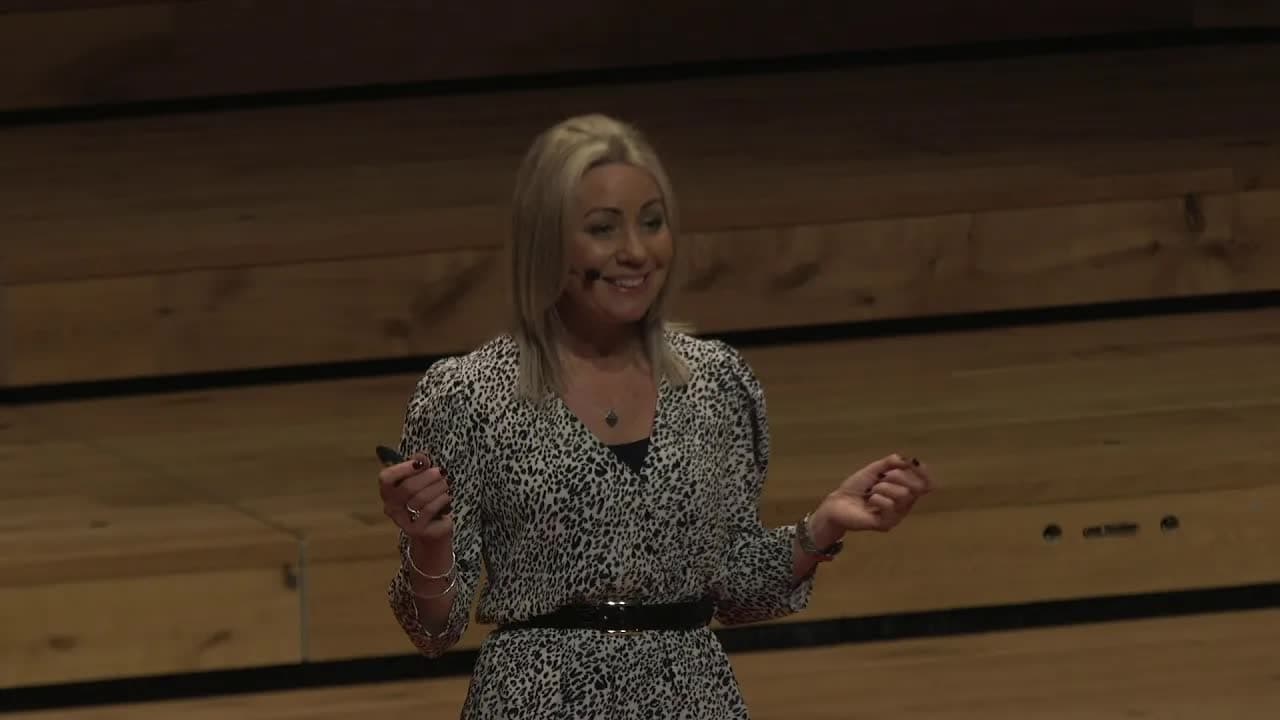
A successful businesswoman lost 6 years of her life to chronic fatigue syndrome, but rebuilt herself with a 5-step recovery strategy and went on to transform the lives of over 15,000 people.
How a Woman in Her 30s Lost Everything to Burnout for 6 Years — Then Saved 15,000 Lives with Her 5-Step Recovery Strategy
One-Line Summary
A successful businesswoman lost 6 years of her life to chronic fatigue syndrome, but rebuilt herself with a 5-step recovery strategy and went on to transform the lives of over 15,000 people.
Key Numbers & Data
| Metric | Value | Context |
|---|---|---|
| Time lost to burnout | 6 years | Lost her home, business, and marriage |
| People helped post-recovery | 15,000+ | Through Salus Fatigue Foundation (now over 80,000) |
| Workers at risk of burnout globally | 82% | As of 2025, the vast majority of employees face burnout risk |
| US chronic fatigue syndrome patients | 3.3 million | CDC 2023 report, affecting 1.3% of adults |
| Annual productivity loss from burnout | 322 billion USD | Estimated global corporate economic impact |
Background: Why This Matters
Burnout is no longer just "being tired." The WHO officially classifies it as an occupational phenomenon, defined by three core symptoms: emotional exhaustion, cynicism, and reduced professional efficacy. As of 2025, 82% of workers worldwide are at risk of burnout, and in the US alone, it causes an estimated 322 billion USD in annual productivity losses.
The situation is especially severe for younger generations. Gen Z hits peak burnout at age 25 — 17 years earlier than the average. In the UK, 96% of adults aged 25-34 report experiencing extreme stress.
Chronic Fatigue Syndrome (CFS/ME) is the extreme consequence of burnout. According to the CDC, 3.3 million patients exist in the US alone, and the number has been rising alongside long COVID. Women are about twice as likely to be affected as men, and the fact that most patients remain undiagnosed underscores the severity of the problem.
Linda Jones was diagnosed with CFS/ME in 2001. She developed her own holistic wellbeing program and achieved full recovery. She then founded Salus Fatigue Foundation (UK Charity No. 1151924) in Birmingham, supporting over 80,000 fatigue-related patients to date. She also runs Life4Changing, offering corporate employee wellness programs built on four pillars: EAT-MIND-SLEEP-MOVE.
Related market data:
- 82% of workers worldwide at risk of burnout (Source: Meditopia for Work 2026 Report)
- 1.3% of US adults (approx. 3.3 million) have chronic fatigue syndrome (Source: CDC NCHS Data Brief No.488)
- Annual corporate productivity loss from burnout: 322 billion USD (Source: Wellhub Burnout Research)
- 91% of UK adults experience extreme stress (Source: Mental Health UK Burnout Report)
- Gen Z peaks at burnout at age 25, 17 years earlier than average age 42 (Source: The Interview Guys Research)
- Annual healthcare costs related to burnout: 125-190 billion USD (Source: Spring Health Research)
Key Insights
1. Adrenaline Addiction Is the Real Cause of Burnout
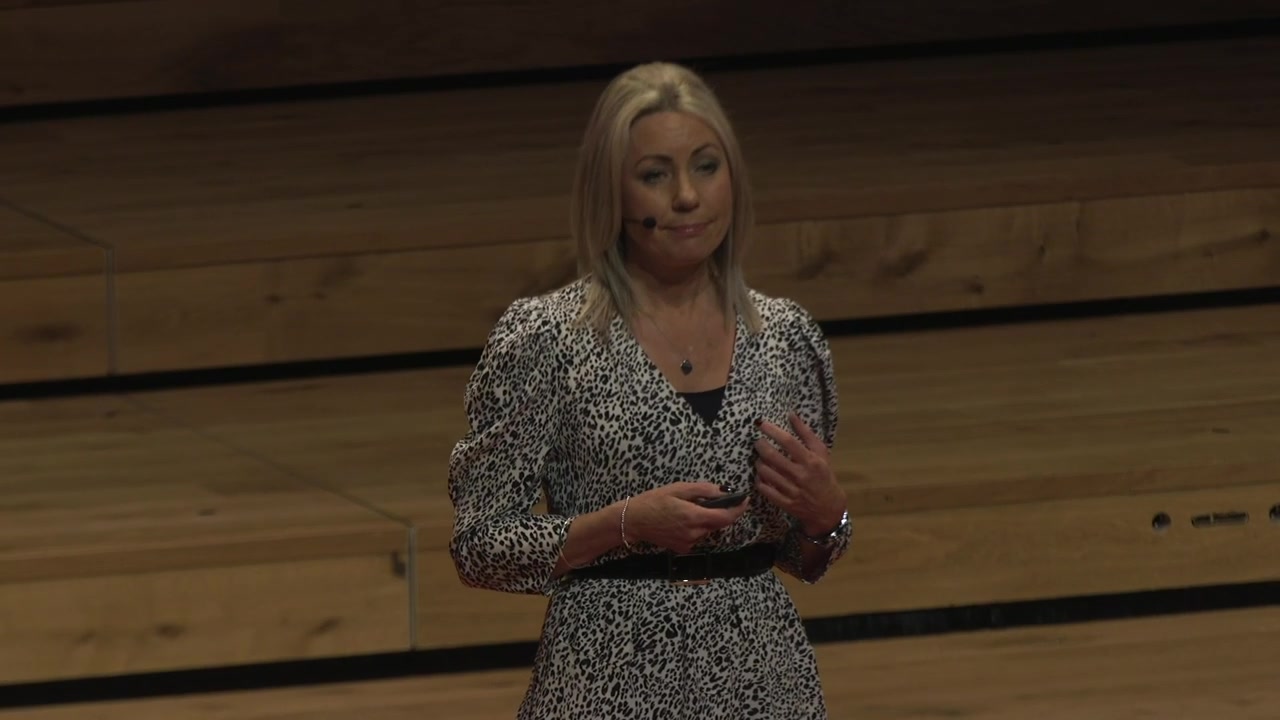
Waking up at 5 AM, full makeup, high heels, rushing to work — and filling every empty moment with more tasks. Surviving on chocolate and coffee, addicted to the rush adrenaline provides. As a young businesswoman in her early 30s, she believed she was enjoying every bit of it. "Bring it on, give me more" — that was her daily motto.
The critical point here is that this pattern was not passion — it was adrenaline addiction. The inability to tolerate empty time, the constant pursuit of new stimulation and pressure — these are classic traits of perfectionists, people pleasers, those who cannot say no, and martyr personalities. She identified all of these in herself.
Research from 2025 confirms that workers with perfectionist tendencies and high self-expectations face significantly higher burnout risk. The problem is that these very people are best at ignoring warning signs. The thought "I'm fine, I can handle more" is itself a danger signal they fail to recognize.
"I lived off that adrenaline. Bring it on, give me more more more more MORE."
"I'd fill it and fill it again and fill it again. This was me."
How to apply: Track your daily habits for one week — specifically, notice if you automatically add new tasks whenever you have free time. If this pattern appears 3 or more times, seriously evaluate your adrenaline dependency.
2. Ignore Your Body's First and Second Warnings, and the Third Leaves You No Choice
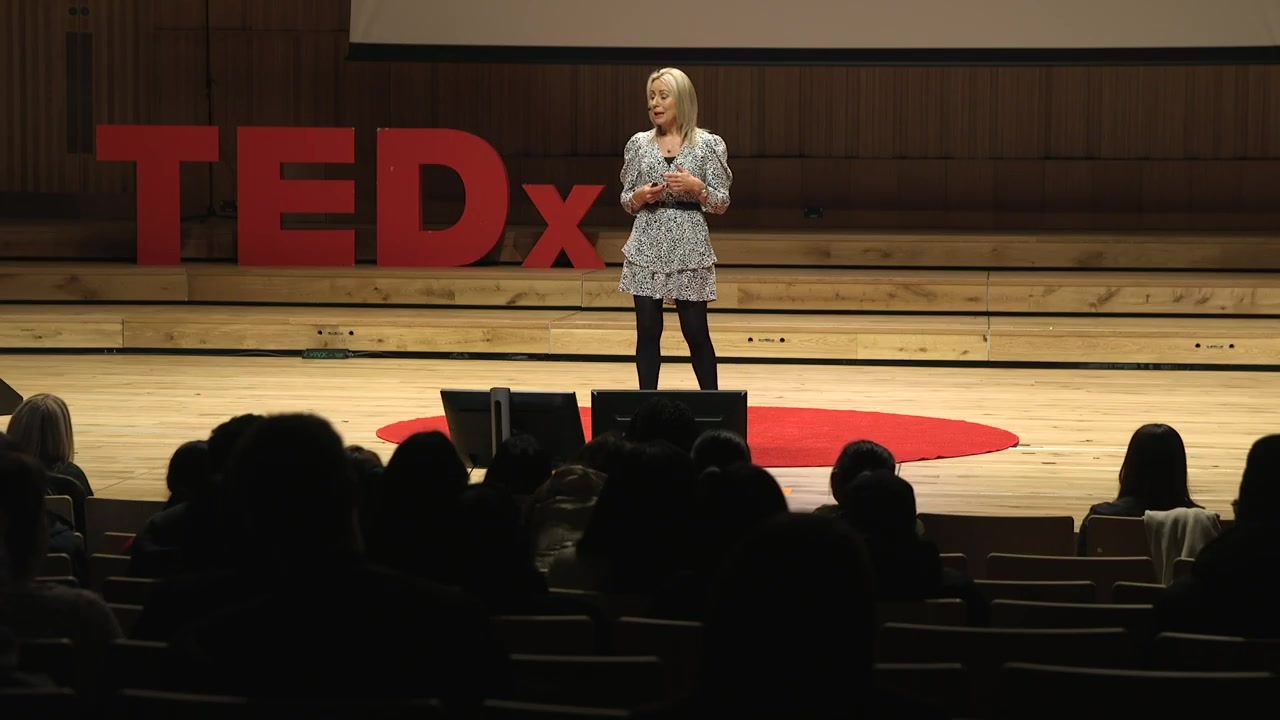
The first warning came during a family trip to Florida. A headache unlike anything she had ever experienced — so severe it felt like her head would explode. She collapsed at the airport, paramedics were called, heavy sedatives were administered, and she lost two weeks. But as soon as she returned to the UK? Right back to the old lifestyle.
The second warning came after a girls' trip to New York. Shopping, partying, staying up all night — pushing to the limit again. After returning, she was hit with a virus that lingered for three months. She couldn't lift her arms to brush her hair, joints and muscles ached unbearably, heart palpitations set in, and memory started failing.
The final warning came while driving with her children. She lost consciousness at a traffic light. Her kids shouted, "Mummy, wake up! We're on green!" That was the turning point. This three-stage warning process is a textbook burnout pattern. The body sends progressively stronger signals, but in a state of adrenaline addiction, each one gets dismissed as a "temporary issue."
"Mummy, Mummy, Mummy, wake up! We're on green, you've gotta go."
How to apply: List any warning signs your body has sent in the past 6 months (chronic headaches, insomnia, digestive issues, frequent colds, etc.). If you find 3 or more, schedule a professional consultation.
3. When the Medical System Gives Up, Your Self-Recovery Journey Begins
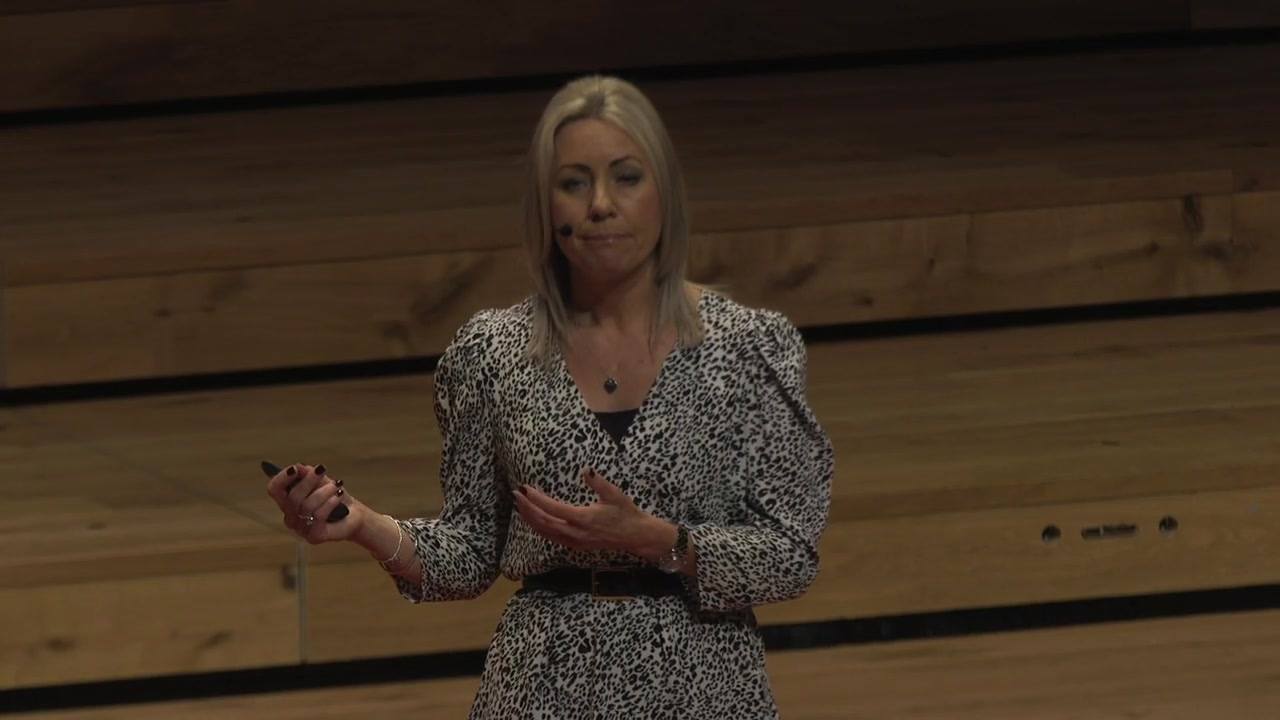
For two years, doctors told her it was "depression." She even heard, "You're making this up." This is a common reality for chronic fatigue syndrome patients. According to CDC data, the majority of CFS patients never receive a proper diagnosis because there is no definitive test.
She eventually did her own research, found an immunologist, and received a CFS diagnosis. Paradoxically, that moment felt "fantastic" — finally, there was a name for it. But hope quickly crumbled when she heard: "We don't know what to do with you. You're going to have to live with this for the rest of your life."
The darkest period followed. Isolation, loneliness, the despair of feeling no one understood. She even contemplated the worst. But the turning point was her two children — Edwin and Emily. Knowing they needed their mother restored her sense of purpose and meaning. The key lesson: recovery begins not with a "perfect cure" but with finding a reason to live.
"You've got depression. Do you know, you're making this up."
"We don't know what to do with you. You're gonna have to live with this the rest of your life."
How to apply: If you feel medical support is insufficient, start by writing down 3 reasons to keep going and post them somewhere visible.
4. Become Your Own Magic Wand: 5 Practical Recovery Methods
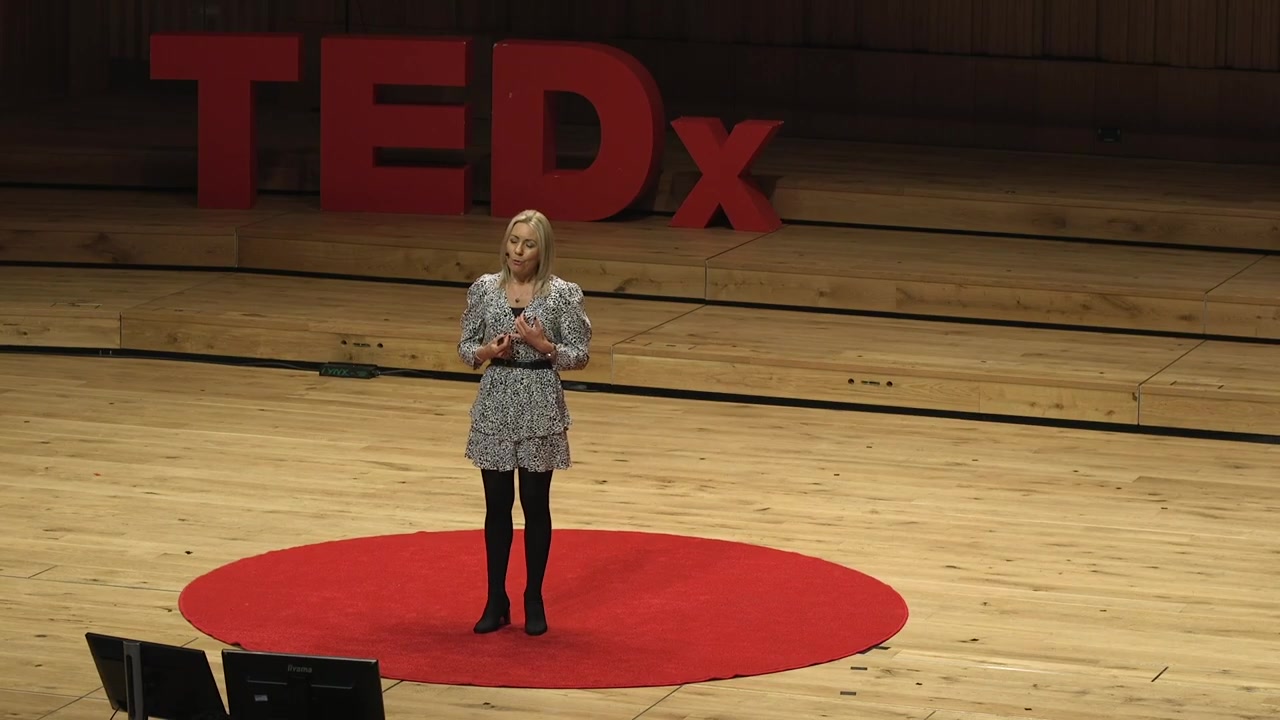
She needed a magic wand, but none existed. So she became her own. From that decision emerged five recovery pillars.
First, mindset shift. She acknowledged her perfectionism and people-pleasing tendencies and built a new belief system: "Taking care of myself first is not selfish." Working with a hypnotherapist, she rewired her unconscious patterns.
Second, nutrition management. She established a daily routine of starting with a smoothie or juice. Research shows CoQ10 (cellular energy production), B vitamins (energy metabolism), magnesium (commonly deficient in CFS patients), and omega-3 (anti-inflammatory) are especially important for CFS patients.
Third, pacing. Listing daily tasks and only completing what falls within your energy budget. This is one of the most recommended CFS management strategies, based on "Energy Envelope Theory" — managing a finite daily energy allowance without exceeding it.
Fourth, pain management. She used hot and cold alternating showers, which are effective for promoting blood circulation and regulating the autonomic nervous system.
Fifth, gradual movement. Despite pain making movement unappealing, she started with gentle walks and gradually progressed to yoga. Research shows gentle movement therapies like qigong and tai chi provide CFS patients with dual benefits of light conditioning and mindfulness.
And the most important message: "It's okay to ask for help. It's okay not to be okay."
"So I became my magic wand."
How to apply: Start with just one of the five this week. Recommendation: a fruit smoothie each morning (nutrition) or a 10-minute walk (movement).
5. When Personal Pain Transforms into Social Mission — That Is True Recovery
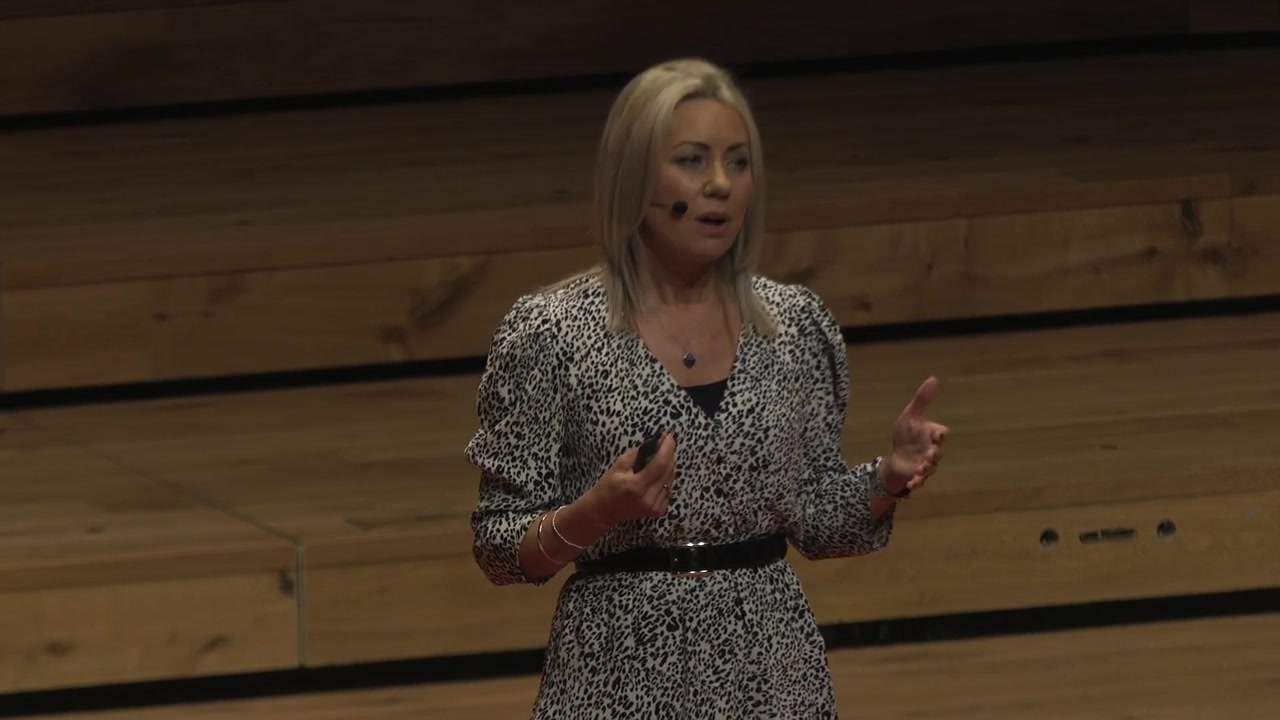
The greatest energy during her recovery came from the passion to help others going through the same struggle. What began as a simple idea grew into Salus Fatigue Foundation, a charity supporting patients with CFS/ME, fibromyalgia, cancer, celiac disease, PTSD, brain injury, long COVID, and other fatigue-related conditions.
Starting with 15,000 people helped, the cumulative total has now exceeded 80,000. The Salus program offers advice, education, and support covering nutrition, lifestyle, stress, sleep, pacing, relaxation, and pain management. Their online Fatigue Wellbeing Hub addresses environment, nutrition, mental health, movement, and relaxation.
She didn't stop there. She created Life4Changing, a separate organization delivering corporate employee wellness programs. Built on four lifestyle pillars — EAT (nutrition), MIND (mental health), SLEEP (sleep), MOVE (movement) — it provides customized health programs with a team of nutritionists, fitness experts, hypnotherapists, osteopaths, and lifestyle coaches.
The core message is simple: don't live on the edge of the cliff. If you fall off, it takes a very long time to climb back. And don't feel guilty about resting. "You, who live under pressure 24/7 — your body is sending you the third warning right now. You can't sustain this."
"It's okay to take a rest. Why do we feel guilty to take a rest?"
"What will you change today? Because it starts with you."
How to apply: Block 30 minutes of "guilt-free rest" on your calendar today. Intentionally securing time to do absolutely nothing is the first step in burnout prevention.
Mentioned tools:
- Salus Fatigue Foundation - Support programs and online wellbeing hub for CFS/ME and fatigue-related conditions
- Life4Changing - Corporate employee health and wellness programs (EAT-MIND-SLEEP-MOVE)
Action Checklist
Do today:
- Block 30 minutes of "guilt-free rest" on your calendar
- List warning signs your body has sent in the past 6 months (headaches, insomnia, digestive issues, etc.)
- Write down 3 "reasons to keep going" and post them somewhere visible
This week:
- Start an "energy diary" — rate your daily energy on a scale of 1-10
- Begin each morning with a fruit smoothie or juice
- Take a gentle 10-minute walk at least 3 days
- Observe for one week whether you automatically fill empty time with tasks
Long-term:
- Add hot-cold alternating showers to your routine at least 3 times per week
- Consider signing up for yoga or meditation classes
- Check if your workplace has a wellness program; if not, suggest one
- If chronic fatigue symptoms persist for over 3 months, schedule a consultation with an immunologist or fatigue specialist
Reference Links
References
- Burn Out to Brilliance. Recovery from Chronic Fatigue | Linda Jones | TEDxBirminghamCityUniversity - TEDx Talks (13:24)
Related Tools
| Tool | Purpose | Price | Link |
|---|---|---|---|
| Salus Fatigue Foundation | Support programs for CFS/ME and fatigue-related conditions, online Fatigue Wellbeing Hub, community support groups | Free (charity) | Visit |
| Life4Changing | Corporate employee health and wellness programs — EAT-MIND-SLEEP-MOVE 4-pillar framework | Custom corporate pricing | Visit |
| Salus Online Wellbeing Hub | Online fatigue management hub covering environment, nutrition, mental health, movement, and relaxation | Free/Low cost | Visit |
Related Resources
- CDC: Myalgic Encephalomyelitis/Chronic Fatigue Syndrome Data Brief (Article) - Latest CDC prevalence data on chronic fatigue syndrome (2021-2022)
- Pacing for Management of ME/CFS: Scoping Review (Article) - Scientific evidence review for pacing strategies in CFS management
- Mental Health UK Burnout Report (Article) - UK workplace burnout statistics and prevention strategies
- Burn Out to Brilliance: Linda Jones TEDx Talk (Full Transcript) (Article) - Full transcript of Linda Jones' TEDx talk
- Holistic Approaches to Managing Chronic Fatigue Syndrome (2025) (Article) - Latest trends in holistic approaches to CFS (2025)
Fact-check Sources
- Helped over 15,000 people (now 80,000+) → https://www.salus.org.uk/about
- 3.3 million US chronic fatigue syndrome patients → https://www.cdc.gov/nchs/products/databriefs/db488.htm
- 82% of workers at risk of burnout → https://meditopia.com/en/forwork/articles/employee-burnout-statistics
Questions to Consider
How close to the edge of the cliff are you standing right now? Compared to a year ago, have you moved closer?
When was the last time you took a real break without any guilt?
What will you change today? Even something small is perfectly fine.
Key Takeaways
- 1Block 30 minutes of "guilt-free rest" on your calendar
- 2List warning signs your body has sent in the past 6 months (headaches, insomnia, digestive issues, etc.)
- 3Write down 3 "reasons to keep going" and post them somewhere visible
- 4Start an "energy diary" — rate your daily energy on a scale of 1-10
- 5Begin each morning with a fruit smoothie or juice
- 6Take a gentle 10-minute walk at least 3 days
- 7Observe for one week whether you automatically fill empty time with tasks
- 8Add hot-cold alternating showers to your routine at least 3 times per week
- 9Consider signing up for yoga or meditation classes
- 10Check if your workplace has a wellness program; if not, suggest one
- 11If chronic fatigue symptoms persist for over 3 months, schedule a consultation with an immunologist or fatigue specialist
Want to read this later?
Save this insight to access it anytime
Original Video
6년간 모든 것을 잃은 30대 여성이 15,000명을 살린 번아웃 회복 5단계 전략