Lesson 32 / 46 in Mindset & Wellness
3 Real Reasons Why Rest Does Not Fix Burnout (82% Don't Know This Trap)
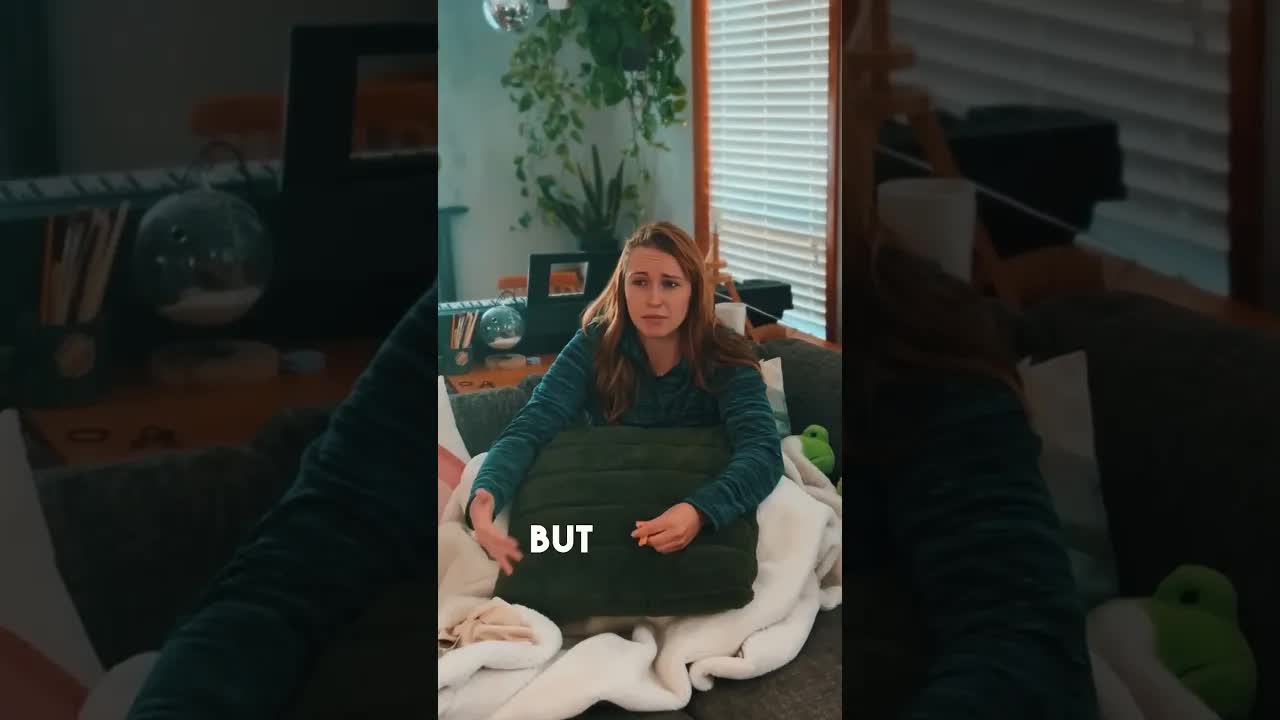
TL;DR
Resting yet drowning in guilt and scrolling your phone for hours only to feel worse — this is not a willpower problem but a structural warning signal from your brain.
3 Real Reasons Why Rest Does Not Fix Burnout (82% Don't Know This Trap)
One-Line Summary
Resting yet drowning in guilt and scrolling your phone for hours only to feel worse — this is not a willpower problem but a structural warning signal from your brain.
Key Numbers & Data
| Metric | Value | Context |
|---|---|---|
| Global burnout risk rate | 82% | 2025 DHR Global survey: 82% of 1,500 knowledge workers in North America/Asia/Europe at burnout risk |
| U.S. worker burnout rate | 52% | Over half of American workers reported burnout in 2024 |
| Neurodivergent absenteeism | 51% | 2025 City & Guilds: over half of neurodivergent employees absent due to burnout |
| U.S. stress economic loss | 300 billion USD/year | Annual losses from burnout-related absenteeism, productivity decline, and accidents |
| Hayley Honeyman program graduates | 500+ | Graduates of neurodivergent-tailored burnout recovery program |
Background: Why This Matters
Since the WHO officially classified burnout as an occupational phenomenon in 2019, the problem has intensified every year. A 2025 global survey found 82% of knowledge workers at burnout risk — burnout is no longer a "badge of honor for hard workers" but a structural health crisis.
For neurodivergent adults (ADHD, autism spectrum), the common advice to "just rest" can actually make things worse. Neurodivergent burnout is not simple overwork fatigue — it stems from the compounding effects of social masking (constant effort to appear "normal"), sensory overload, and executive function depletion. A single vacation does not fix it; deeper recovery is needed — reducing masking, restoring sensory balance, and rebuilding supportive environments.
In 2026, the burnout conversation itself is shifting: from "optimization" to "recovery," from "getting more done" to "sustainable performance." Notably, individuals diagnosed with ADHD and autism spectrum are creating recovery programs based on their own lived experience. Hayley Honeyman started coaching neurodivergent adults in 2022 under the "Busy Bee with ADHD" brand, running burnout recovery programs and doomscrolling courses with 500+ graduates.
Related market data:
- 82% of global knowledge workers at burnout risk (Source: DHR Global, 2025)
- 52% of U.S. workers experienced burnout in 2024 (Source: Meditopia/Gallup)
- 51% of neurodivergent employees absent due to burnout (Source: City & Guilds, 2025)
- U.S. burnout-related economic loss: 300 billion USD/year (Source: American Institute of Stress)
- Gen Z worker burnout exceeds 50% — digital fatigue and work-life imbalance as primary causes (Source: Multiple workplace surveys, 2024-2025)
Key Insights
1. If Your Home Is a Disaster, Friends Have Disappeared, and Work Is Piling Up — This Is Not Laziness, It Is Burnout

What makes burnout different from being "just tired"? The biggest difference is that all areas of life collapse simultaneously. Your home is a mess, work is piling up, you have not seen friends in weeks — when all three happen at once, it is not laziness. It is a signal that your brain's executive function is overloaded.
For neurodivergent individuals, these symptoms manifest more dramatically. With ADHD, executive function already consumes more energy at baseline, so when burnout hits, the "total collapse" feeling is far more intense. Some people become so paralyzed they must halt both career and relationships, taking over a year to reset.
The key is understanding why "just push through" is meaningless in this state. Burnout is not a willpower problem — it is a protective response from a brain that can no longer cope. The answer is not "try harder" but "structurally reduce the load."
"My place is a disaster. I'm behind on all of my work. I haven't seen or talked to any of my friends for weeks, but I'm too burnt out to do anything about any of it."
How to apply: Do a self-check right now using three indicators: home condition, social connections, work progress. If all three are red, you need structural intervention, not just rest.
2. Rested for Two Days but Feel Worse? The Deadly Pattern of "Guilt Plus Phone Scrolling"
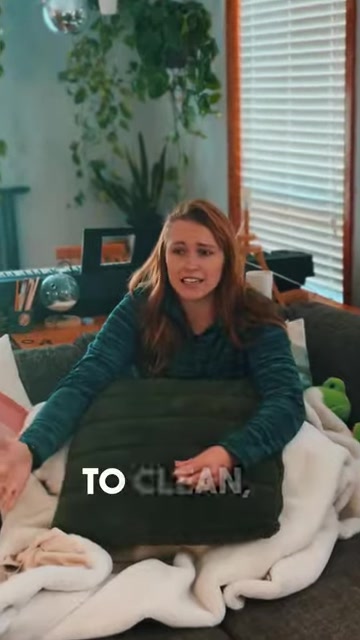
Have you taken a few days off during burnout only to feel more exhausted? This is an extremely common pattern. The problem is not rest itself but how you rest.
Psychology calls this "fake rest." Your body is on the couch, but your mind keeps running: "Should I really be lying here?" and "There is so much to do..." To escape that anxiety, your hand automatically reaches for your phone, and you scroll feeds meaninglessly for hours. But each phone notification triggers a small stress response in the brain, keeping cortisol elevated and preventing the nervous system from fully relaxing.
Honestly, this is not a willpower issue. Digital burnout research shows a vicious cycle where technology is both the cause of and the coping mechanism for burnout. Your brain is exhausted and wants rest, but the rest method stimulates the brain again. True recovery requires screen-free time, a sensorily comfortable environment, and most importantly, permission to do nothing.
"I took two days off, but I spent the entire time feeling really guilty about not being productive. And so I tried to clean, but I was so exhausted that I ended up just lying on the couch and scrolling my phone for hours and hours. And by the end of it, I felt worse than I did before."
How to apply: On your next day off, put your phone in another room for the first 2 hours and set a timer. Intentionally practice "doing nothing." When boredom arrives, that is a signal your brain is starting to recover.
3. Why Standard Burnout Advice Fails — Recovery Must Match Your Brain Type

Why do standard burnout recommendations — "exercise," "meditate," "take a vacation" — fall short for neurodivergent people? The core issue is that the cause of neurodivergent burnout itself is different.
Standard burnout mainly comes from overwork, but neurodivergent burnout stems from "masking" — the constant effort to regulate yourself to appear like everyone else — leading to emotional and sensory exhaustion. Daily energy spent meeting social expectations, enduring sensory overload, and straining executive function compounds until one day you hit "I cannot do this anymore." Simple rest is not enough — you need fundamental approaches: reducing masking, restoring sensory balance, and rebuilding supportive environments.
What matters here is the value of "lived experience." When a burnout recovery program is built by someone who personally experienced neurodivergent burnout and recovered using these very tools, it is fundamentally different from generic self-help books. The 500+ graduates represent a community that says "I'm not alone in this."
The 15 USD entry cost is notable. In a world where one therapy session costs 100-200 USD, a month-long structured program at 15 USD is virtually barrier-free. It may not replace therapy, but for someone who cannot access professional counseling right now, it can be a starting point.
"It was created by a neurodivergent creator who actually used these tools to pull herself out of burnout."
"It might not be the perfect solution and solve everything, but it's a good place to start."
How to apply: If you are neurodivergent, discard generic self-care lists and write down 3 "sensorily comfortable activities" — a quiet walk, a specific-textured blanket, a favorite scent. Sensory-focused rest is where true recovery begins.
Mentioned tools:
- Busy Bee with ADHD - Hayley Honeyman's coaching and course platform for neurodivergent adults
- Neurodivergent Insights - Neurodivergent burnout understanding and recovery resources
Action Checklist
Do today:
- Self-diagnose with 3 indicators: home condition, social connections, work progress
- Enable "bedtime mode" in phone screen time settings
- Secure 30 minutes of screen-free time today (walk, stretch, or doing nothing)
This week:
- Identify your lowest-energy time of day and schedule "real rest" then
- Create a list of 3 sensorily comfortable activities (specific music, textures, scents)
- Honestly share your current state with one trusted person
Long-term:
- Consider neurodivergent self-assessment or professional evaluation
- Explore burnout recovery programs or coaching (e.g., Busy Bee with ADHD)
- Try one environmental change to reduce masking in work/life
Reference Links
References
- How to Recover from BURNOUT - Hayley Honeyman (1:00)
Related Tools
| Tool | Purpose | Price | Link |
|---|---|---|---|
| Busy Bee with ADHD | Coaching and online courses for neurodivergent adults | From ~15 USD per course | Visit |
| Neurodivergent Insights | Burnout understanding and recovery resources for autism/ADHD | Free and paid resources | Visit |
Related Resources
- How to Rest Without Guilt (Article) - Psychology Today: overcoming rest guilt
- Digital Burnout: How Constant Connectivity Affects Mental Health in 2025 (Article) - Digital devices and burnout
- ADHD Burnout Recovery Infographic (Article) - Visual guide to ADHD burnout recovery
- 11 Science-Backed Steps to Recover From Burnout (Article) - 11 evidence-based recovery steps
Fact-check Sources
- Majority of global workers experiencing burnout → https://meditopia.com/en/forwork/articles/employee-burnout-statistics
- Smartphone scrolling during rest worsens the condition → https://texaspsychiatrygroup.com/blog/digital-burnout-and-mental-health-2025/
- Neurodivergent burnout requires different recovery approaches → https://neurodivergentinsights.com/autism-and-adhd-burnout/
Questions to Consider
Have you recently rested but felt even more tired? What kind of rest were you actually taking?
Are you unconsciously spending energy trying to "appear normal" to others in daily life?
Right now, do you need to "try harder" or "structurally reduce the load"?
Key Takeaways
- 1Self-diagnose with 3 indicators: home condition, social connections, work progress
- 2Enable "bedtime mode" in phone screen time settings
- 3Secure 30 minutes of screen-free time today (walk, stretch, or doing nothing)
- 4Identify your lowest-energy time of day and schedule "real rest" then
- 5Create a list of 3 sensorily comfortable activities (specific music, textures, scents)
- 6Honestly share your current state with one trusted person
- 7Consider neurodivergent self-assessment or professional evaluation
- 8Explore burnout recovery programs or coaching (e.g., Busy Bee with ADHD)
- 9Try one environmental change to reduce masking in work/life
Want to read this later?
Save this insight to access it anytime
Original Video
번아웃 걸렸을 때 '쉬어도 회복 안 되는' 진짜 이유 3가지 (82%가 모르는 함정)