Lesson 33 / 46 in Mindset & Wellness
Reclaim 2 Hours Daily Without Adding a Minute to Your Schedule: A 5-Step Mindfulness Guide
TL;DR
By layering mindfulness onto activities you already do every day -- like washing hands, brushing teeth, and doing dishes -- you can reclaim 2 hours of meaningful presence without changing your schedule at all.
Reclaim 2 Hours Daily Without Adding a Minute to Your Schedule: A 5-Step Mindfulness Guide
One-Line Summary
By layering mindfulness onto activities you already do every day -- like washing hands, brushing teeth, and doing dishes -- you can reclaim 2 hours of meaningful presence without changing your schedule at all.
Key Numbers & Data
| Metric | Value | Context |
|---|---|---|
| Daily wasted time | 2 hours | 95% of time during routine activities (hand-washing, brushing, commuting) is spent lost in thought |
| Habit formation period | 12 weeks | Adding 1 activity per week builds 12 mindfulness habits in 12 weeks |
| Daily smartphone checks | 186 times | 2025 US average; roughly once per minute, amplifying anxiety |
| Mindfulness anxiety reduction | Equal to medication | Harvard study: 8-week MBSR program as effective as anxiety medication |
Background: Why This Matters
Modern people check their smartphones an average of 186 times per day and spend 95% of routine activities in "autopilot mode." We worry about tomorrow's meeting while washing our hands, replay yesterday's mistakes while brushing our teeth, and plan the weekend while doing dishes. Honestly, most of us are letting 2+ hours per day slip away in a state of "not being present."
Mindfulness is no longer a special practice requiring meditation apps or quiet rooms. According to Harvard Medical School research, 15 minutes per day is enough, and when integrated into daily activities, you do not even need to set aside extra time. Meta-analyses consistently report that mindfulness-based programs effectively reduce stress, burnout, and mental fatigue while simultaneously improving well-being, job satisfaction, and interpersonal relationships.
The key difference here is that most guides tell you to "make time for meditation." The problem is that even that time is burdensome for busy modern people. That is why the approach of layering mindfulness onto activities you already do is far more practical. Research shows that informal mindfulness practice (mindfulness during daily activities) is as effective as formal meditation.
Matt Tenney discovered mindfulness during 5.5 years in military prison, lived as a monk for 3 years, and transformed into a social entrepreneur and mindfulness expert. He has been teaching mindfulness since 2002 and is an international keynote speaker who has trained organizations including Wells Fargo, Marriott, Salesforce, and United Airlines. His books include "Serve to Be Great," "The Mindfulness Edge," and "The Magic of Mindful Self-Awareness."
Key Insights
1. Why 30 Seconds of Hand-Washing Can Replace a Meditation Session
What is the easiest way to start mindfulness? Not downloading an app or buying a meditation cushion. It is layering conscious attention onto something you already do every day. The most accessible starting point is hand-washing.
Think honestly: when you wash your hands, how much are you actually "there"? About 95% of the time, you are mechanically scrubbing while thinking about everything else in the world. Mindful hand-washing breaks this pattern. The moment you stand in front of the faucet, mentally note: "I am about to wash my hands." That moment pulls you out of the automatic thought stream and "wakes you up."
Then bring the curiosity of a three-year-old. How does the soap feel on your hands? What does the water sound like? What does it feel like where your feet touch the floor? Just 30 seconds of this is enough. When you actually try it, you will find it is a completely different experience from your usual hand-washing -- it can even feel as relaxing as a hand massage.
"95% of the time roughly you're thinking about anything other than washing your hands."
"It's like a hand massage."
How to apply: Starting today, every time you wash your hands, mentally note "I am washing my hands now" and spend 30 seconds focusing on the sensations of water and soap.
2. One Per Week: The Habit Stacking Strategy That Transforms Your Entire Day in 12 Weeks
Here is the concrete execution method. Step 1: Make a list of activities you do every day anyway. Hand-washing, brushing teeth, eating, commuting, walking, etc. If you count them, approximately 2 hours per day goes to these "autopilot" activities -- things you do alone that do not require anyone else's attention.
Step 2: In the first week, choose just 1 activity. For example, hand-washing. Commit to doing it mindfully for one week. The only difficult part is remembering. Once you remember, doing it is easy because you simply bring curiosity to the experience. When thoughts arise? Totally fine. Just notice "oh, a thought came up" and return to the hand-washing experience. A smiley sticker next to your toothbrush at home can serve as a reminder.
Step 3: At the end of the week, add a second activity. If Week 1 was hand-washing, Week 2 is drinking water. Now you practice both simultaneously. After 12 weeks? Twelve daily activities become mindfulness training. Throughout the day, "wake-up calls" ring that break automatic thought patterns.
Thich Nhat Hanh said: "There are two ways to wash the dishes. One is to have clean dishes. The other is to enjoy washing the dishes." The result is clean dishes either way. But one person finishes as a ball of stress, while the other enjoyed the process. Plus, because they focused on the present, the dishes come out cleaner too.
"There are two ways to wash the dishes. One is to have clean dishes. The other is just to enjoy washing the dishes. Guess what happens either way -- you get clean dishes."
How to apply: Today, write a list of 10+ daily activities, and select 1 to practice mindfully this week.
3. Reclaiming 2 Hours You Are Throwing Away Daily Changes Your Quality of Life
Let us step back and look at the big picture. What are we actually doing during these 2 hours each day?
First, whether it is dishes or commuting, we are rushing to finish. Trying to get through it as fast as possible to move on to "the real important stuff" or "the fun stuff." Like rushing through dishes to watch a football game. In the process, we keep reinforcing the bad habit of identifying with our thoughts. Anxiety builds in the body. And worst of all, we are simply not there. Nobody in this room is promised the next moment, yet if the last 5 minutes were spent lost in thoughts about yesterday, that is truly unfortunate.
Conversely, applying mindfulness to these 2 hours flips everything. Staying present without rushing lowers anxiety levels. According to research published in the Harvard Gazette, the MBSR program showed effects equal to medication for treating generalized anxiety disorder. When you fully focus on what you are doing, quality of output improves -- dishes get cleaner, mistakes decrease. You also systematically train self-awareness, arguably the most important skill both personally and professionally. And above all, you actually live those moments. Like a three-year-old who enjoys hand-washing itself.
"Perhaps the worst part is you're simply not there. You're not living that moment of your life."
How to apply: This week, convert one daily activity to mindfulness practice and observe how your anxiety levels change before and after.
4. Checking Your Phone 186 Times Daily: Shifting from "Being Pulled" to "Choosing"
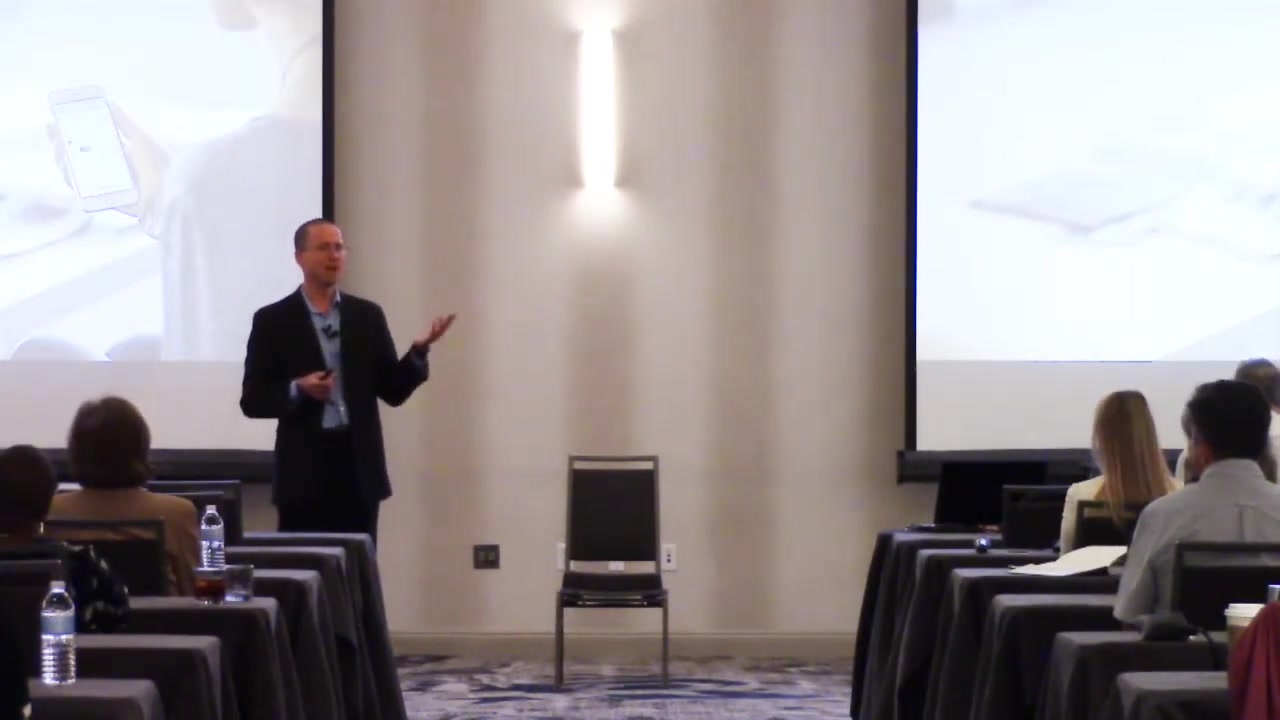
As of 2025, Americans check their smartphones an average of 186 times per day. Millennials check 324 times -- about 20 times per hour. Most people reflexively pull out their phone whenever there is downtime. Searching for the next email, the next text, the next confirmation that "somebody needs me." This is the complete opposite of mindfulness.
But the point is not to ditch your phone. It is to use it mindfully. The method is simple. Before picking up your phone, pause briefly. Mentally note: "I am about to use my phone." Feel the phone in your hand. What does it feel like when your fingers touch the screen? What about the sensation of sitting in your chair? Your feet on the floor?
This way, the device is not pulling you along -- you are choosing to use it. The energy shifts from "I gotta check, I gotta check" to "I am consciously using this right now." Many practitioners report that this makes the experience much calmer and stops it from triggering anxiety.
Additionally, setting limits on check frequency is recommended. Once every 30 minutes, or once per hour. Do you really need to check every minute? The world will not flip upside down in that 1 minute. When downtime occurs, closing your eyes briefly and checking in with your body instead of reaching for your phone means you will be far more present in your next interaction with another person.
"It feels like this thing's in control and it's like I gotta check to see what somebody wants for me, I gotta check to see if anybody loves me."
How to apply: Starting today, pause for 3 seconds before checking your phone and note "I am about to use my phone." Try limiting checks to once every 30 minutes.
5. The Most Important Lesson from 5 Minutes of Stillness: Thoughts Are Just Clouds Passing Through
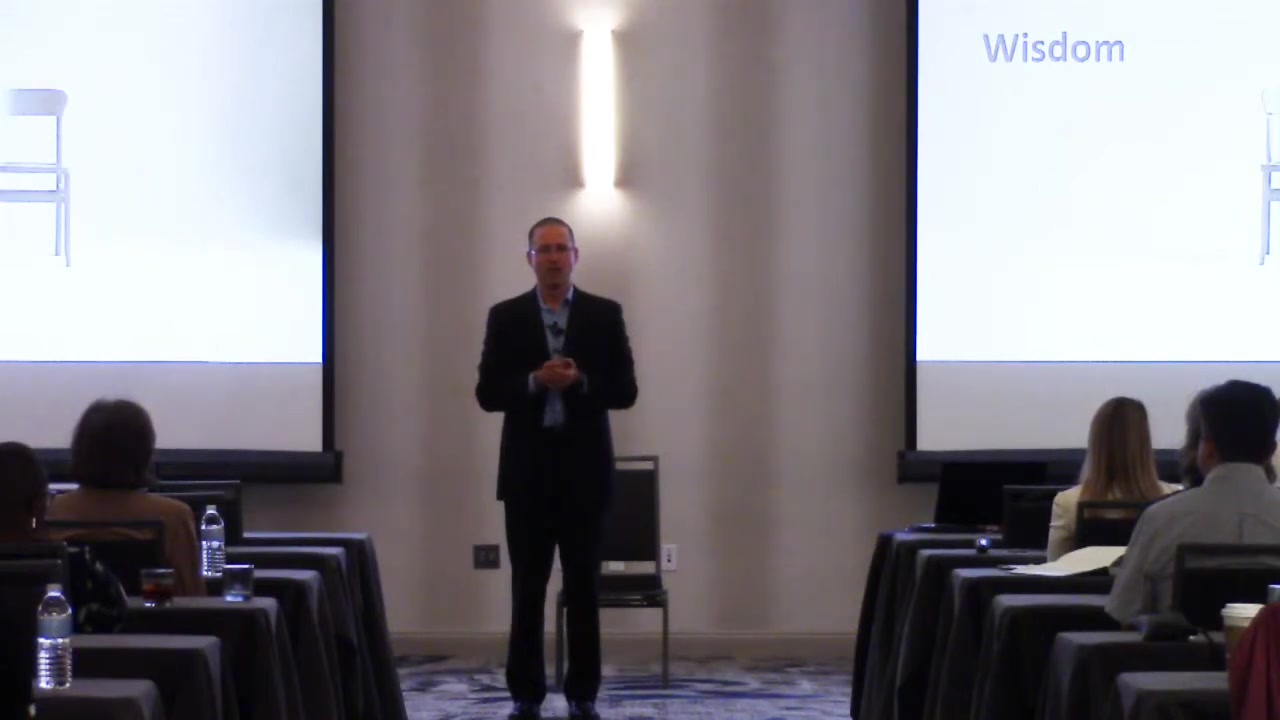
If mindfulness during daily activities is the "base course," sitting still for 5 minutes daily is the "extra credit." But this extra credit dramatically accelerates growth. If you do not want to add to your schedule, try this: take just 5 minutes from the 30 minutes of mindless TV before bed. You are replacing a bad habit with a good one, so it is net positive.
Why is sitting still important? Activity-based mindfulness develops the "mindfulness muscle" too. But when sitting still, you do not need to interact with the world. No worrying about bumping into something or falling. In that state, wisdom about the relationship between thoughts and self develops much faster.
Try this thought experiment. Imagine sitting still with a completely empty mind. No inner voice, no dialogue, no images -- pure awareness. Do you exist? Yes. Now a thought arises. Do you still exist? Yes. The thought passes. You are still there. Then was that thought "you"? No. Thoughts are like light bulbs that appear and disappear in consciousness. They might come back tomorrow, or never again.
We all know this intellectually. But are we actually living that way? Inside us, three voices are having a conversation simultaneously: "Why did you do that?" "Why did YOU do that!" "You should have done this." We live mistaking this conversation for "me." Through mindfulness practice, you experientially learn that these conversations are just objects passing through consciousness. Thoughts do not have to control you. As this wisdom accumulates, mindful self-awareness eventually becomes an effortless, natural state.
"Thoughts are just objects that arise and pass away in the mind. They're not me. They don't have to control me."
How to apply: Tonight before sleep, sit quietly for 5 minutes (or even 1 minute) and observe thoughts arising and passing. Do not judge them -- let them pass like clouds.
Action Checklist
Do today:
- Next time you wash your hands, note "I am washing my hands" and focus on sensations for 30 seconds
- Write a list of 10 daily activities on paper
- Set a "pause" reminder as your smartphone lock screen wallpaper
This week:
- Choose 1 activity from the list and practice it mindfully for 1 week
- Set up reminders (sticker by toothbrush, phone alarm, etc.)
- Try limiting smartphone checks to once every 30 minutes
- Spend 5 minutes sitting still before bed
Long-term:
- Add 1 activity per week to complete the 12-week program
- Convert waiting time (lines, traffic) into mindfulness time
- Build a habit of 1-minute mindful check-ins before meetings at work
- Gradually increase still sitting from 5 minutes to 15 minutes
Reference Links
References
- How to Practice Mindfulness In Daily Life and At Work (A Quick-Start Guide) - The Magic of Mindful Self-Awareness (18:33)
Related Tools
| Tool | Purpose | Price | Link |
|---|---|---|---|
| The Magic of Mindful Self-Awareness (Book) | Practical guide to stopping overthinking through mindful self-awareness | Kindle 9.99 USD / Paperback 16.99 USD | Visit |
| The Mindfulness Edge (Book) | Practical mindfulness for leadership and personal excellence | Kindle 17 USD / Hardcover 28 USD | Visit |
| Headspace | Guided meditation and mindfulness app | Free basic / 12.99 USD/month | Visit |
| Calm | Meditation, sleep, and relaxation wellness app | Free basic / 14.99 USD/month | Visit |
| Insight Timer | World's largest free meditation library | Free (Premium 9.99 USD/month) | Visit |
Related Resources
- The Miracle of Mindfulness - Thich Nhat Hanh (Article) - Thich Nhat Hanh's original teaching on mindful dishwashing
- Mindfulness exercises - Mayo Clinic (Article) - Mayo Clinic's guide to mindfulness exercises
- Harvard Health - Mindfulness in 15 minutes (Article) - Harvard Medical School's 15-minute mindfulness guide
- How Short Mindfulness Practices Can Help You Get Through the Workday (Article) - UC Berkeley on short mindfulness practices at work
Fact-check Sources
- Approximately 2 hours per day is spent on autopilot activities → Matt Tenney research + general time-use studies
- People check smartphones roughly once per minute → https://www.reviews.org/mobile/cell-phone-addiction/
- Mindfulness is effective for anxiety reduction → https://news.harvard.edu/gazette/story/2023/02/can-mindfulness-help-anxiety-trial-suggests-yes/
Questions to Consider
How many hours today did you spend in "autopilot mode"? What thoughts were filling your head during that time?
When you pick up your smartphone, is it "your choice" or are you "being pulled"? Have you ever noticed the difference?
If tomorrow were your last day, how would you want to spend this moment right now?
Key Takeaways
- 1Next time you wash your hands, note "I am washing my hands" and focus on sensations for 30 seconds
- 2Write a list of 10 daily activities on paper
- 3Set a "pause" reminder as your smartphone lock screen wallpaper
- 4Choose 1 activity from the list and practice it mindfully for 1 week
- 5Set up reminders (sticker by toothbrush, phone alarm, etc.)
- 6Try limiting smartphone checks to once every 30 minutes
- 7Spend 5 minutes sitting still before bed
- 8Add 1 activity per week to complete the 12-week program
- 9Convert waiting time (lines, traffic) into mindfulness time
- 10Build a habit of 1-minute mindful check-ins before meetings at work
- 11Gradually increase still sitting from 5 minutes to 15 minutes
Want to read this later?
Save this insight to access it anytime
Original Video
스케줄에 1분도 추가하지 않고 하루 2시간을 되찾는 마인드풀니스 5단계 실전 가이드