Lesson 40 / 46 in Mindset & Wellness
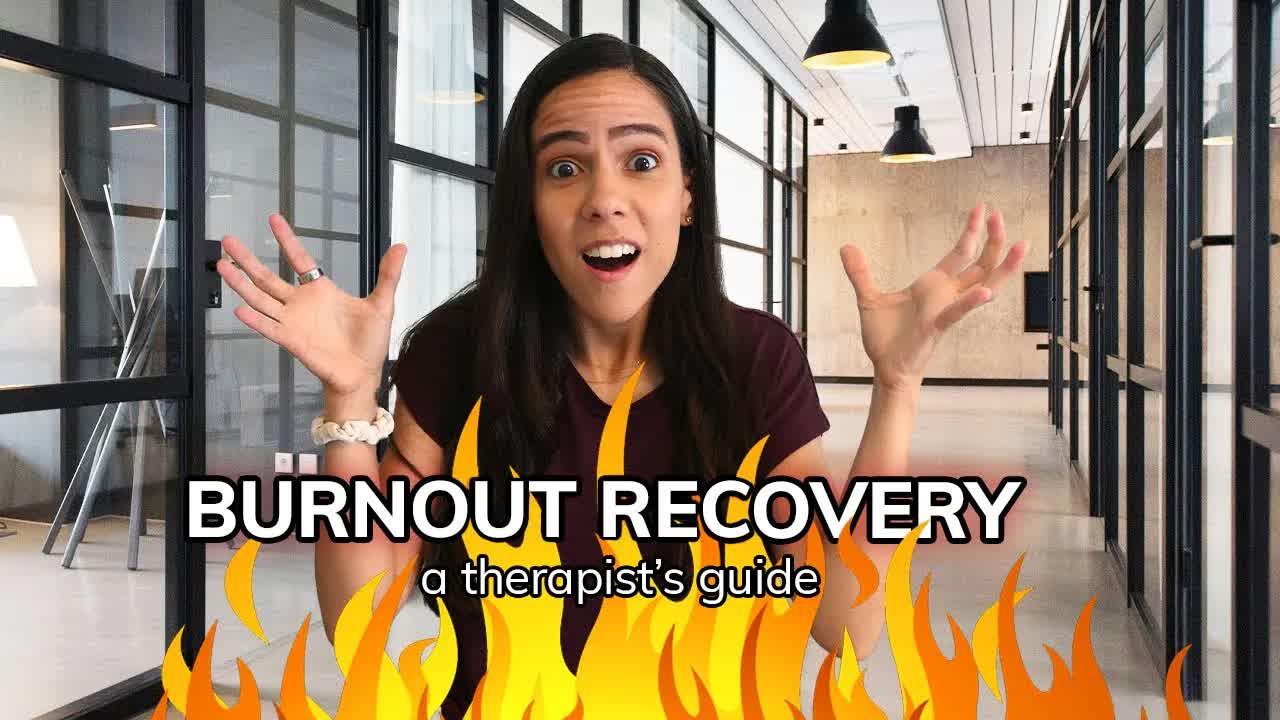
82% of Workers Experience Burnout: A Licensed Therapist's Proven 3-Step Recovery Strategy
TL;DR
Burnout is not just fatigue -- it is a state of disconnection from yourself. Recovery follows a validated 3-step framework: identify root causes, restore self-compassion, and build a sustainable prevention system.
82% of Workers Experience Burnout: A Licensed Therapist's Proven 3-Step Recovery Strategy
One-Line Summary
Burnout is not just fatigue -- it is a state of disconnection from yourself. Recovery follows a validated 3-step framework: identify root causes, restore self-compassion, and build a sustainable prevention system.
Key Numbers & Data
| Metric | Value | Context |
|---|---|---|
| Workers experiencing burnout | 82% | Percentage of global workers who have experienced burnout (2025, The Interview Guys) |
| US workers currently burned out | 55% | Eagle Hill Consulting survey of American workers currently in burnout |
| Gen Z and Millennial burnout rate | 66-70% | Gen Z at 66%, Millennials at 58% -- younger generations face higher burnout rates |
| Burnout recovery framework | 3 steps | Clinically validated framework: root cause analysis, self-compassion recovery, sustainable prevention |
| Self-compassion research studies | 4,000+ | Academic papers supporting Kristin Neff's self-compassion theory |
Background: Why This Matters
Burnout is no longer viewed as individual weakness -- it is increasingly recognized as a structural problem. A 2025 survey found that 82% of workers worldwide have experienced burnout, and 55% of US employees report being currently burned out. Among Gen Z and Millennials, 66-70% reported burnout symptoms in the past year.
What makes this especially concerning is that high achievers are the most vulnerable. They appear fine on the outside but suffer internally from chronic fatigue, cynicism, and helplessness -- a condition called "high-functioning burnout." Performance stays up while mental health deteriorates rapidly.
One of the most promising recovery approaches is self-compassion. According to University of Texas professor Kristin Neff's research, professionals who practice self-compassion experience significantly less emotional exhaustion, depersonalization, and reduced efficacy -- the core symptoms of burnout. Over 4,000 academic studies support these findings.
Tati Garcia is a US-licensed professional counselor (LPC) with over 13 years of clinical experience, practicing in New Jersey and Pennsylvania. She provides one-on-one coaching and therapy under the name "Be Calm With Tati," produces the "Calmly Coping" podcast focused on anxiety and burnout recovery for high achievers, and runs the "Calm & Ambitious Vault" -- a therapist-curated tool library.
Related Market Data:
- 82% of global workers experienced burnout in 2025 (Source: The Interview Guys Research Report)
- 55% of US workers are currently burned out (Source: Eagle Hill Consulting)
- Gen Z 66%, Millennials 58% -- younger generations show higher burnout rates (Source: Eagle Hill Consulting)
- Burned-out employees are 3x more likely to leave within the next year (Source: Eagle Hill Consulting)
- SHRM survey: 44% experienced burnout, 45% emotional exhaustion, 51% feel "spent" at end of day (Source: SHRM)
- Over 4,000 academic studies published on self-compassion (Source: self-compassion.org)
Key Insights
1. From Chronic Fatigue to Social Isolation -- The Warning Signs of Burnout You Might Be Missing

Many people dismiss burnout as "just being tired." But real burnout is far more complex and insidious. The first warning sign is chronic exhaustion -- no amount of sleep or rest relieves the fatigue. If you feel drained on Monday morning after a restful weekend, that is a red flag.
The second sign is cynicism and detachment. Tasks you once felt passionate about now feel pointless. You become emotionally disconnected from work, family, and relationships. Third is declining productivity -- the same work takes much longer, concentration drops, and mistakes increase.
Fourth comes irritability, frustration, and diminished patience -- small things trigger outsized reactions. Fifth involves physical changes: appetite shifts, sleep disruption, digestive issues, headaches, and muscle tension. Sixth is the loss of enjoyment -- hobbies, activities, and even close relationships no longer bring pleasure.
The final sign is social withdrawal and unhealthy coping mechanisms -- wanting to be alone and turning to alcohol or other substances for stress relief. Many of these symptoms overlap with anxiety and depression, so seeking professional help is important in severe cases.
"We all have our limits. I've reached a place of burnout before, and I know many high achieving individuals who have. It doesn't mean that you're broken or that you're a failure."
"Burnout can leave you feeling hopeless, drained, and stuck, but it doesn't have to be that way."
How to apply: Use the 7 warning signs as a self-assessment checklist. Score your current state, and if 3 or more apply, begin the recovery process.
2. Why Blaming External Factors Alone Will Not Help -- Finding the Hidden Internal Causes of Burnout
The first step in burnout recovery is honestly asking: "Why did I get here?" Most people focus exclusively on external factors -- excessive workload, demanding boss, endless overtime. While these genuinely contribute to burnout, they are not the full picture.
Some people in identical environments burn out while others do not. The difference comes down to internal factors: intense fear of failure, overwork driven by financial anxiety, obsession with productivity, and excessive concern about others' opinions. The unconscious belief that "stopping equals failing" keeps pushing you forward relentlessly.
These beliefs are typically learned in childhood or from past experiences. Messages from parents and caregivers become deeply embedded in the subconscious. The most critical skill to develop at this stage is emotional awareness -- the ability to recognize your emotional state and learn to regulate it. This is the true starting point of burnout recovery.
"You can't make an effective plan for getting out of burnout and preventing it in the future without understanding why you're here in the first place."
How to apply: Write down 3 external causes and 3 internal causes side by side. The key is honestly exploring the unconscious beliefs that keep driving you.
3. Rest Alone Is Not Enough -- Why Reconnecting with Your Values Is the Real Recovery
The second step -- "Compassionate Recovery" -- is the most critical part of this framework. Many people assume burnout recovery means "just rest," but that is only the tip of the iceberg.
Yes, taking time off matters. If work is the source of burnout, you may need to reassess whether to stay, what changes are needed, or what accommodations to request. But external changes alone are not enough.
The real key is internal transformation. Learning to regulate stress, anxiety, and rising emotions. Self-compassion plays a decisive role here. In burnout, many people fall into the trap of self-blame: "I used to be able to handle this, so something must be wrong with me." But in reality, everyone has limits, and burnout is not a sign that you are broken -- it is an opportunity to realign your life.
The work at this stage is clear: reconnect with your values. "What truly matters to me?" "What kind of life do I want?" "What needs of mine are going unmet?" Answering these questions is the recovery itself. Use self-reflection tools like meditation, journaling, and emotional awareness training. Invest time in personally meaningful activities. Burnout recovery goes beyond improving mental health -- it is about rediscovering what is genuinely valuable and meaningful to you.
"Burnout recovery is not just about calming your body. It's about connecting with your values, assessing your needs, listening to yourself."
"It doesn't mean that you're broken, that you're a failure, or that there's anything wrong with you. It just means that this is an opportunity for you to reassess and see what needs to change."
How to apply: Spend 10 minutes tonight on a "values exploration journal." Answer honestly: "What are the 3 things I truly value?" and "What needs in my life are currently unmet?"
Tools mentioned:
- Mindfulness.com - Guided meditation and breathing exercises app
- Moonbird - Handheld tactile breathing coach device
4. Building Your Personal "Burnout Early Warning System" -- Three Lines of Defense Against Relapse
The third step is building a sustainable prevention system so burnout does not return. Without this step, you recover only to fall back into the same destructive patterns.
The first line of defense is values-based lifestyle redesign. Using the values explored in the previous step, make tangible changes to your daily life. This might mean switching to a more flexible workplace, requesting needed support from your manager, or setting clear work boundaries. The key is translating root-cause insights into concrete actions.
The second line of defense is creating your personal "burnout early warning system." Identify your unique warning signals. "I've been more irritable lately." "I keep feeling overwhelmed." When you detect these signals, immediately step back, reassess, and take corrective action. The crucial point is responding at the earliest signs rather than waiting until full burnout returns.
The third line of defense is a non-negotiable self-care plan. Establish routines that fulfill your personal needs without exception. This looks different for everyone -- daily 30-minute walks, three workouts per week, or evening digital detox. The core principle is ensuring that what you give back to yourself never falls below what you demand of yourself.
"You're never really starting from scratch because once you have taken these steps, it is something that you've trained your mind and body to do and you will be able to do again."
How to apply: Create three columns on a sheet of paper. On the left, write "My 5 burnout warning signs." In the middle, "Actions when warning signs appear." On the right, "3 non-negotiable weekly self-care activities." Post it somewhere visible.
Tools mentioned:
- Todoist - Task management app for self-care routines and warning sign checklists
Action Checklist
Today:
- Burnout self-assessment: check which of the 7 warning signs currently apply
- 10-minute journaling: write down 3 external causes and 3 internal causes of your burnout
- Answer the values question: "What are the 3 things I truly value?"
This week:
- Create your personal burnout early warning signal list (increased irritability, sleep changes, fatigue, etc.)
- Choose 3 non-negotiable self-care routines and block them on your calendar
- Install a meditation app (e.g., Mindfulness.com) and start with 5-minute daily breathing meditation
Long-term:
- Monthly "burnout check-in": assess current state against your warning sign list
- Explore workplace changes if needed (request flexible work, reset boundaries, etc.)
- Consider professional therapy or coaching programs for severe cases
Reference Links
Source Material
- Burnout Recovery: How I help my clients go from overwhelmed to calm - Calmly Coping (11:21)
Related Tools
| Tool | Purpose | Price | Link |
|---|---|---|---|
| Mindfulness.com | Guided meditation, breathing exercises, and sleep meditation | 24.99 USD/year (Basic) | Visit |
| Todoist | Task management app for self-care routines and checklists | Free / Pro 5 USD/month | Visit |
| Moonbird | Handheld tactile breathing coach. 80,000+ users, 4.7 rating | 199 USD | Visit |
Related Resources
- Mindful Self-Compassion for Burnout (Kristin Neff & Christopher Germer) - Practical self-compassion tools for perfectionism, self-criticism, and boundary setting
- Self-Compassion Research Hub (Kristin Neff) - Archive of 4,000+ research papers on self-compassion
- High-Functioning Anxiety Quiz - Self-assessment quiz for high-functioning anxiety by Tati Garcia
- Burnout Recovery: 5 Evidence-Based Coping Strategies - Professional counseling guide with 5 evidence-based burnout recovery strategies
Fact-Check Sources
- Most workers experience burnout: https://www.eaglehillconsulting.com/news/workforce-burnout-survey-2025/
- Self-compassion is effective for burnout recovery: https://self-compassion.org/the-research/
- Internal causes (unconscious beliefs) play a critical role in burnout: https://pmc.ncbi.nlm.nih.gov/articles/PMC9478693/
Questions to Consider
What unconscious beliefs are driving you toward burnout? Are you telling yourself that "stopping equals failing"?
If you chose compassion over self-criticism during burnout, what would you say to yourself?
If you could pick one non-negotiable self-care practice to start right now, what would it be?
Key Takeaways
- 1Burnout self-assessment: check which of the 7 warning signs currently apply
- 210-minute journaling: write down 3 external causes and 3 internal causes of your burnout
- 3Answer the values question: "What are the 3 things I truly value?"
- 4Create your personal burnout early warning signal list (increased irritability, sleep changes, fatigue, etc.)
- 5Choose 3 non-negotiable self-care routines and block them on your calendar
- 6Install a meditation app (e.g., Mindfulness.com) and start with 5-minute daily breathing meditation
- 7Monthly "burnout check-in": assess current state against your warning sign list
- 8Explore workplace changes if needed (request flexible work, reset boundaries, etc.)
- 9Consider professional therapy or coaching programs for severe cases
Want to read this later?
Save this insight to access it anytime
Original Video
직장인 82%가 겪는 번아웃, 3단계로 회복하는 임상 심리치료사의 검증된 전략