Lesson 42 / 46 in Mindset & Wellness
66% of Workers Experience Burnout: 7 Science-Backed Stress Relief Methods (20 Minutes a Day Is Enough)
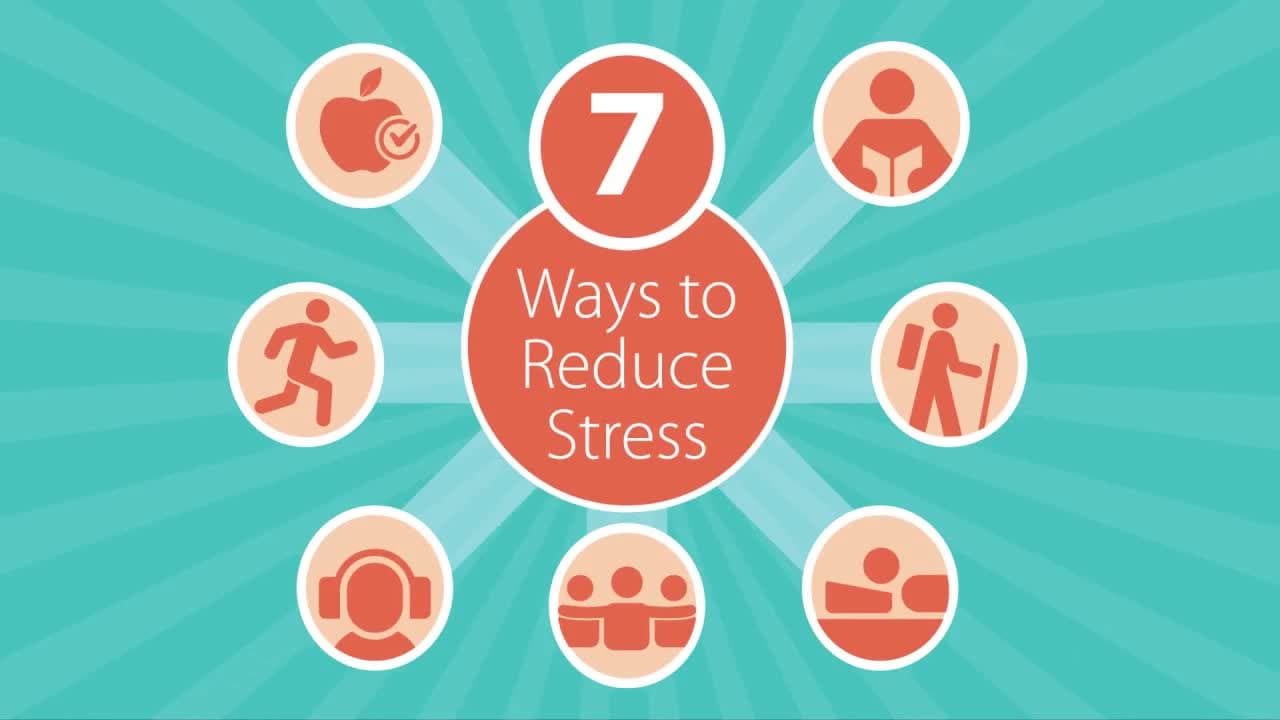
TL;DR
With 66% of American workers experiencing burnout, practicing these 7 scientifically validated stress relief methods can noticeably lower cortisol levels and restore daily well-being.
66% of Workers Experience Burnout: 7 Science-Backed Stress Relief Methods (20 Minutes a Day Is Enough)
TL;DR
With 66% of American workers experiencing burnout, practicing these 7 scientifically validated stress relief methods can noticeably lower cortisol levels and restore daily well-being.
Key Numbers & Data
| Metric | Value | Context |
|---|---|---|
| Worker burnout rate | 66% | American workers experiencing burnout (2025 survey) |
| Annual corporate stress losses | 300 billion USD | US corporate losses from stress-related absenteeism |
| Optimal nature exposure time | 20-30 minutes | Time when cortisol drops most rapidly in natural settings |
| Meditation stress reduction | 85% | Stress reduction in workers meditating 5 min/day for 8 weeks (UCSF study) |
| Social isolation health risk | Equal to 15 cigarettes/day | Mortality risk from social disconnection equals smoking 15 cigarettes daily |
Context: Why This Matters
Modern stress is no longer a personal issue. A 2025 survey found that 66% of American workers experience burnout, and 84% dealt with mental health issues like stress or exhaustion in the past year. Chronic stress from work contributes to approximately 120,000 deaths annually in the US, while corporations lose 300 billion USD per year from stress-related absenteeism.
The good news is that scientific research repeatedly confirms simple daily practices actually work. From diet adjustments and exercise to music, meditation, nature walks, and social interaction -- these 7 methods are not just "wellness tips" but strategies with scientific evidence for lowering cortisol and even changing brain structure.
Key Insights
1. Berries Over Ice Cream -- Your Diet Changes Your Cortisol
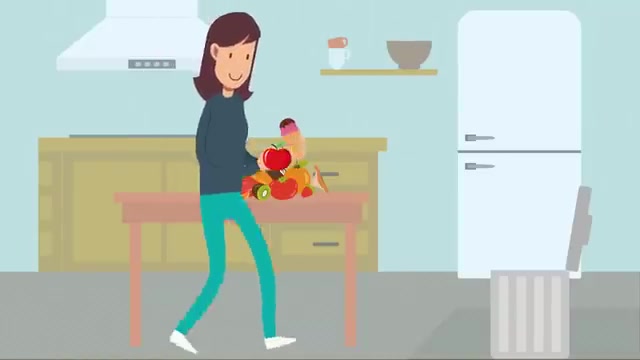
When stressed, we instinctively reach for ice cream or chips. But this backfires. Research shows that diets high in refined grains, added sugar, and saturated fat significantly increase cortisol levels, while diets centered on fruits, vegetables, whole grains, and low-fat dairy have the opposite effect.
The Mediterranean diet deserves special attention. Studies show that maintaining a diet rich in fish, vegetables, fruits, nuts, olive oil, and whole grains actually reduces the cortisol response to acute stress. Antioxidant-rich foods with vitamins A, C, and E -- carrots, sweet potatoes, broccoli, strawberries, citrus -- protect the brain from oxidative stress and reduce anxiety symptoms.
Magnesium is also a key nutrient. It regulates cortisol levels and reduces anxiety, found abundantly in nuts, spinach, and dark chocolate.
"Forget the ice cream binge. Fill up on fresh fruits, vegetables, and lean protein, and your body will reward you with a happier outlook."
How to apply: Replace today's snacks with fruits or nuts. Pre-wash berries and carrot sticks in the fridge so healthy choices are easy when stress hits.
2. A 30-Minute Nap Resets Your Cortisol
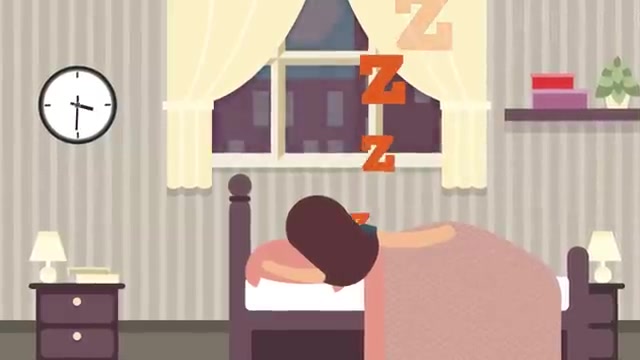
Sleep deprivation is both a cause and consequence of stress. When you cannot sleep well, stress hormones rise, and high stress prevents sleep -- a vicious cycle. Research shows sleep deprivation not only increases accident risk and mood deterioration but also raises the risk of chronic conditions like obesity, diabetes, hypertension, and depression.
But if you did not get enough sleep last night, napping can come to the rescue. Studies confirm that a 30-minute nap on sleep-deprived days restores cortisol and white blood cell counts to baseline. Napping even normalizes immune function biomarkers.
Napping also improves emotional state. The nap group showed significantly reduced negative emotions compared to those who stayed awake. The optimal power nap duration is 20-30 minutes -- longer can backfire.
"Getting enough sleep helps you better handle upcoming stress. Didn't sleep well last night? Recharge your mood with a nap."
How to apply: Set your phone alarm for 25 minutes and try a post-lunch power nap today. Even just closing your eyes without fully falling asleep is effective.
3. Even a 10-Minute Walk Releases Endorphins
Everyone knows exercise helps with stress, but understanding the mechanism changes motivation. Harvard research shows exercise reduces stress hormones like adrenaline and cortisol while promoting endorphin release -- these "feel-good chemicals" even have natural pain-relieving effects.
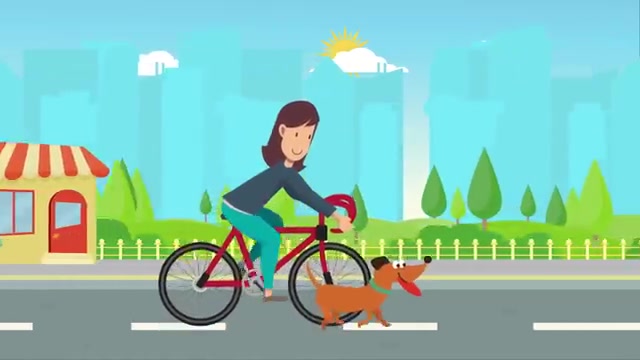
The important thing is it does not need to be intense. According to ADAA (Anxiety and Depression Association of America) research, just a few minutes of physical activity can reduce anxiety and improve mood. A walk around the block, walking the dog, biking to the store -- that is enough.
Exercising together multiplies the effect. Finding a workout buddy provides social bonding and exercise benefits simultaneously. Making an appointment with a friend creates accountability that solitary resolutions lack.
"Exercise releases feel-good chemicals in your body."
How to apply: Add a 10-minute neighborhood walk to your pre-work routine tomorrow morning. Texting a friend or colleague "Want to walk together at lunch?" is also a great start.
4. Music Listening Lowers Blood Pressure and Heart Rate
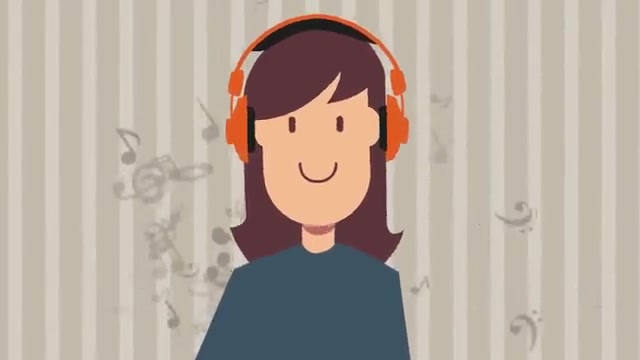
Music doing more than mood shifting is a scientifically proven fact. Meta-analysis research shows music therapy demonstrates medium-to-large effect sizes on stress-related indicators. Patients who listened to music during surgery had lower cortisol levels and even needed less sedation than control groups.
Calm music directly lowers blood pressure, heart rate, and anxiety. Conversely, upbeat music is effective for releasing stress. The key lies in "why you listen." Research shows stress reduction is greatest when listening for relaxation purposes, and diminishes when listening out of boredom or for distraction.
Applying this daily is simple. Energizing music for commuting to work, calming music for the ride home, soft classical or nature sounds before sleep -- building situation-specific playlists turns music into an excellent stress management tool.
"Calming music lowers blood pressure, heart rate, and anxiety, while upbeat music helps blow stress away."
How to apply: Save a "relaxing" or "stress relief" playlist on Spotify or YouTube Music and listen on your way home today.
5. 5 Minutes of Daily Meditation Can Reduce Stress by 85%
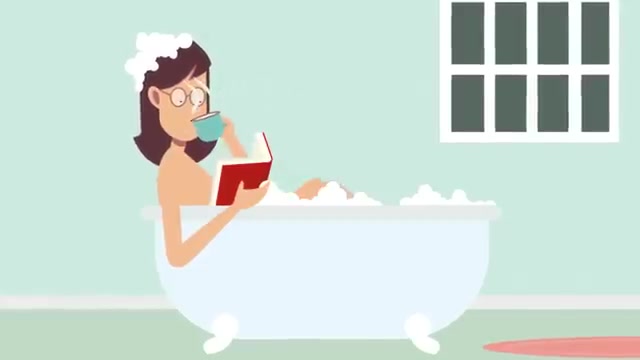
When stress suddenly hits, thinking "What should I do?" is already too late. The key is preparing a "toolkit" of stress relief methods that work for you in advance -- meditation, long walks, watching comedy, reading, lighting candles. List whatever works for you.
Among these, meditation has the most robust scientific evidence. A large-scale UCSF clinical trial with 1,458 participants found that workers who meditated an average of 5.2 minutes per day for 8 weeks experienced 85% stress reduction, with effects lasting 4 months. Recent data shows measurable results from just 3 sessions per week of 10-21 minutes.
Brain-level changes have been confirmed too. Mindfulness-based studies observed structural changes: increased gray matter density in the hippocampus (responsible for memory and learning) and decreased gray matter density in the amygdala (responsible for fear and anxiety). The return on investment of 5 minutes of meditation is extraordinary.
"Build your own stress relief toolkit. Meditation, long walks, watching comedy, reading, lighting a candle -- find what soothes you."
How to apply: Install a meditation app (Headspace, Calm, or the free Insight Timer) on your phone right now and try a 5-minute guided meditation tonight.
6. A 20-Minute Nature Walk Dramatically Lowers Cortisol
Time in nature reducing stress is not "feel-good advice" -- it is a physiological fact. Meta-analysis confirms that natural environment exposure significantly lowers salivary cortisol levels, one of the most reliable stress biomarkers.
The key point is "duration." Research shows cortisol drops most dramatically during 20-30 minutes in nature, with the rate of additional decrease slowing afterward. This means you do not need to spend all day in the mountains -- just 20 minutes in a park during lunch is enough for substantial effects.
Forest walking effects are particularly impressive. A study of 74 young men found that walking in a forest environment significantly reduced salivary cortisol concentrations. Even gardening, park strolls, or simply looking at nature through an office window reduces the stress response.
"Enjoy nature. Whether gardening, walking in the forest, or resting in a park. A change of scenery brightens your mood."
How to apply: During today's lunch break, take a 20-minute walk at a nearby park or green space. Keep your phone in your pocket and focus on the natural sounds around you for maximum effect.
7. Social Isolation Is as Dangerous as Smoking 15 Cigarettes a Day

While we intuitively feel social connection matters for stress management, its importance is far greater than we think. The WHO adopted its first-ever resolution on social connection in 2025. One in six people worldwide is affected by loneliness, with an estimated 100 deaths per hour -- over 870,000 annually -- attributed to it.
The US Surgeon General warned that the mortality risk from social disconnection equals smoking 15 cigarettes daily -- more dangerous than obesity or physical inactivity. Conversely, workers with sufficient social support show significantly lower risk of acute stress disorder, burnout, anxiety, and depression.
The practical steps need not be grand. Eating lunch with a colleague, calling a friend, volunteering, taking a new class -- these small social actions provide fresh perspectives and help you find your own happy space.
"Spending time with other people helps you gain a new perspective and find your own happy place."
How to apply: This week, reach out to at least one friend or colleague first and set up a meet-up. Whether it is a lunch date or post-work coffee, starting is what matters.
Action Checklist
Do today:
- Replace snacks with fruit/nuts (pre-wash and store fruits in the fridge)
- Install a meditation app and try a 5-minute guided meditation
- Save a stress relief playlist
This week:
- Build a 20-minute park walk into your lunch routine
- Find 1 exercise partner and commit to walking together twice a week
- Reach out to 1 friend or colleague first and set up a meet-up
- Create your own "stress relief toolkit" list
Long-term:
- Transition to a Mediterranean-style weekly meal plan
- Include 20-30 minutes of daily nature time in your routine
- Practice mindfulness meditation 3+ times per week consistently
- Participate in at least 1 new social activity (volunteering, classes, etc.) per month
Reference Links
Source Material
- Stress Relief Tips - 7 Ways on How to Lower Stress | Anthem - Anthem Blue Cross and Blue Shield (1:47)
Related Tools
| Tool | Purpose | Price | Link |
|---|---|---|---|
| Headspace | Guided meditation, sleep, focus app | Free basic / 12.99 USD/mo premium | Visit |
| Calm | Meditation, sleep stories, breathing app | Free basic / 69.99 USD/yr premium | Visit |
| Insight Timer | World's largest free meditation app, 200K+ guides | Free (premium option available) | Visit |
Related Resources
- Mind and Body Approaches for Stress: What the Science Says (Article) - NCCIH comprehensive guide on science-based stress management
- Exercise and Stress: Get Moving to Manage Stress (Article) - Mayo Clinic guide on exercise for stress management
- A 20-Minute Nature Break Relieves Stress (Article) - Harvard Health on nature exposure and stress reduction
Fact-Check Sources
- Exercise releases feel-good chemicals (endorphins) -> https://www.health.harvard.edu/staying-healthy/exercising-to-relax
- Calming music lowers blood pressure, heart rate, and anxiety -> https://pmc.ncbi.nlm.nih.gov/articles/PMC3734071/
- Fresh fruits and vegetables create a happier mental state -> https://www.uab.edu/news/news-you-can-use/how-diet-impacts-cortisol-the-stress-hormone-connection
Questions to Consider
If you rated your current stress level from 1 to 10, what score would it be? And what is your biggest source of stress?
Of the 7 methods, which one could you start today?
If you were to list 3 items for your personal "stress relief toolkit" right now, what would they be?
Key Takeaways
- 1Replace snacks with fruit/nuts (pre-wash and store fruits in the fridge)
- 2Install a meditation app and try a 5-minute guided meditation
- 3Save a stress relief playlist
- 4Build a 20-minute park walk into your lunch routine
- 5Find 1 exercise partner and commit to walking together twice a week
- 6Reach out to 1 friend or colleague first and set up a meet-up
- 7Create your own "stress relief toolkit" list
- 8Transition to a Mediterranean-style weekly meal plan
- 9Include 20-30 minutes of daily nature time in your routine
- 10Practice mindfulness meditation 3+ times per week consistently
- 11Participate in at least 1 new social activity (volunteering, classes, etc.) per month
Want to read this later?
Save this insight to access it anytime