Lesson 43 / 46 in Mindset & Wellness
The Mental Health Crisis 72% of Founders Face: The Dark Side of Entrepreneurship Nobody Talks About
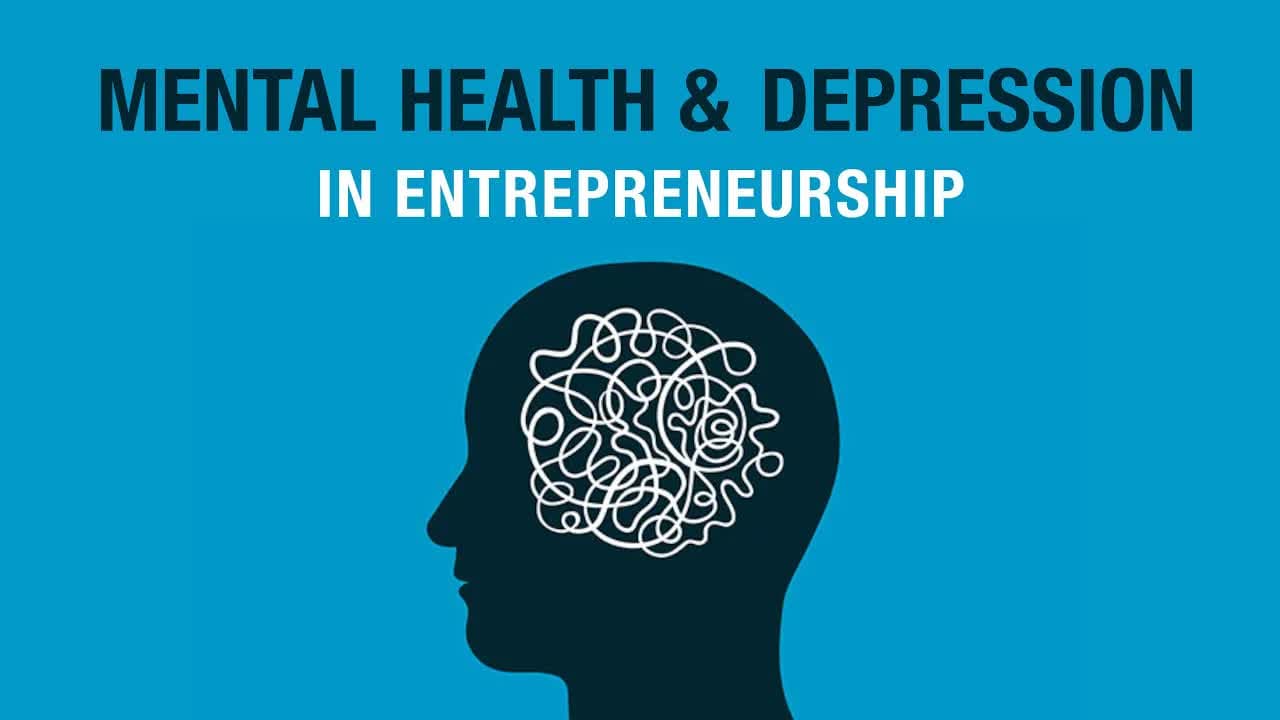
TL;DR
72% of entrepreneurs experience mental health issues and their suicide attempt rate is twice that of the general population, yet most are trapped in structural isolation that prevents them from seeking help.
The Mental Health Crisis 72% of Founders Face: The Dark Side of Entrepreneurship Nobody Talks About
One-Line Summary
72% of entrepreneurs experience mental health issues and their suicide attempt rate is twice that of the general population, yet most are trapped in structural isolation that prevents them from seeking help.
Key Numbers & Data
| Metric | Value | Context |
|---|---|---|
| Founders with mental health issues | 72% | Significantly higher than the general population: depression (30%), ADHD (29%), anxiety (27%) |
| Founder suicide attempt rate | 2x the general population | Psychiatric hospitalization rate also 2x; bipolar disorder occurrence 3x |
| Burnout rate | 42% | Percentage of business owners who experienced burnout within the past month (2024-2025 survey) |
| Founders who seek help | 23% | Fewer than 1 in 4 founders receive counseling or coaching |
| Time Doctor team size | 100+ across 27 countries | Liam Martin's co-founded remote work company with a globally distributed team |
Background: Why This Matters
Entrepreneurship is often seen as a symbol of success and freedom, but behind the scenes lies extreme stress, uncertainty, and social isolation. The glamorous success stories on social media only make this problem worse. Research shows that 87.7% of founders experience at least one mental health condition.
This problem intensifies in remote work environments. When physically separated from colleagues, leaders have extremely limited options for sharing their struggles. Even with 100 employees, it is practically impossible for a CEO to open up about their anxiety to the people who report to them.
The reason this topic matters is simple: people do not talk about it. Because of the social expectation that founders should "have all the answers," asking for help feels like admitting failure, and this culture of silence leads to tragic outcomes far too often.
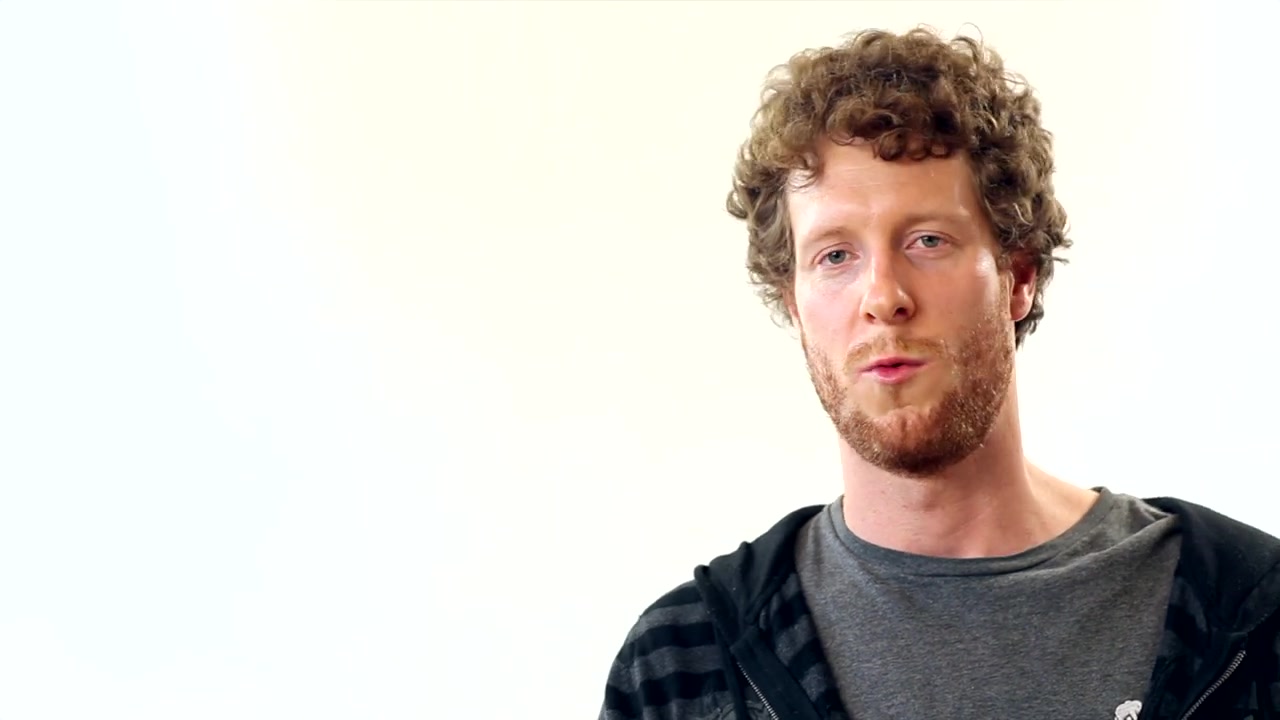
Liam Martin is the co-founder and CMO of Time Doctor (remote team productivity tracking software) and Staff.com. He manages a remote team of over 100 people across 27 countries and co-organizes Running Remote, the world's largest remote work conference. He has contributed articles on remote work to Forbes, TechCrunch, and the Wall Street Journal, and has a unique background as a former professional figure skater turned tech entrepreneur.
Related market data:
- 72% of founders experience mental health issues, significantly higher than the general population (Source: Startup Grind / NIMH research)
- 49% of founders have at least one mental illness; one-third have two or more (Source: NIMH)
- Founder suicide attempt rate is 2x that of the general population; psychiatric hospitalization is also 2x (Source: Lifehack Method / academic research)
- 42% of business owners experienced burnout within the past month (Source: Founder Reports 2024-2025 survey)
- 73% of founders cite cost and 52% cite lack of time as reasons for not seeking counseling (Source: Cerevity Tech Founder Survey)
- 86% of founders work over 40 hours per week; one-third work over 50 hours (Source: Founder Reports)
Key Insights
1. 100 Employees but Zero People to Talk To: The Structural Isolation of Founders
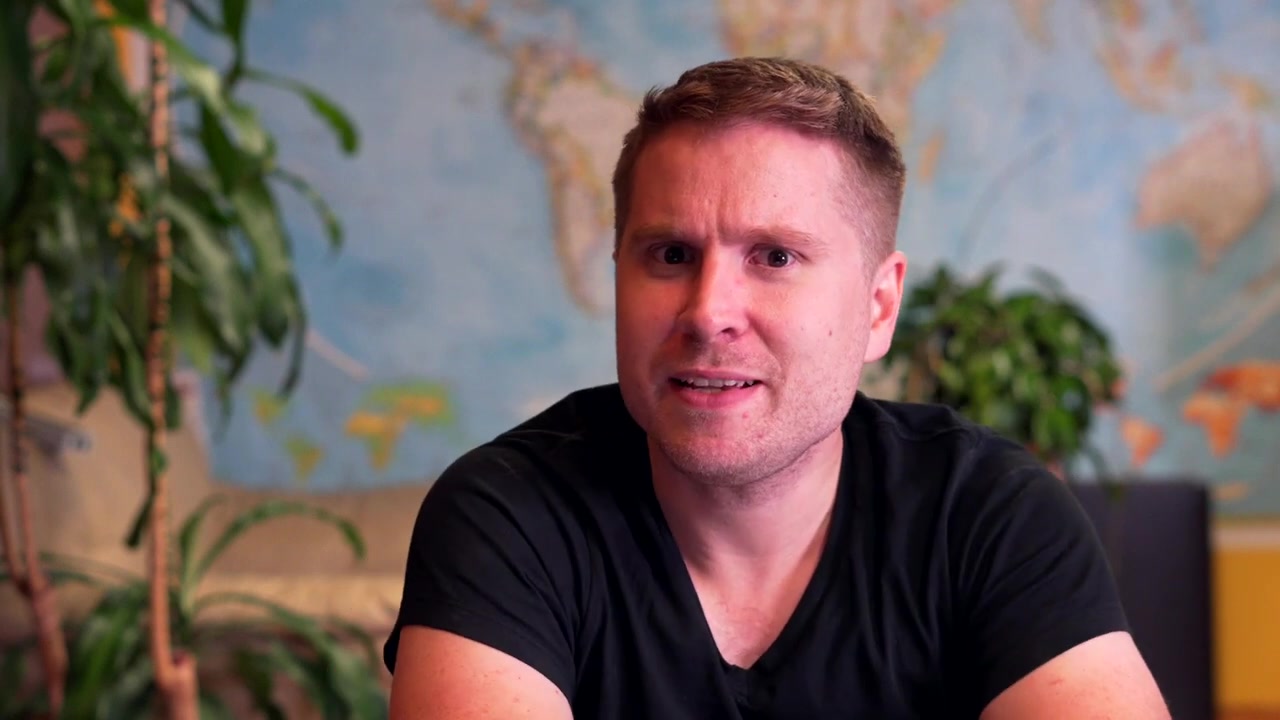
Mental health among founders has long been the "elephant in the room" in the tech industry. Everyone knows about it, but nobody brings it up. The critical point here is that this is not a matter of willpower but a structural problem.
Imagine running a team of over 100 people spread across 27 countries. You communicate with dozens of people every day, yet there is no one you can honestly share your anxieties and fears with. How many CEOs can actually tell their employees, "I'm really struggling right now"? That is a completely different challenge from an employee confiding in a coworker.
This isolation deepens in remote work environments. There are no casual hallway encounters, no lunch-hour venting sessions. Research shows that 72% of founders experience mental health issues, a significantly higher rate than the general population. Yet only 23% of founders receive counseling. While 73% cite cost and 52% cite time constraints, the deeper root cause is the belief that asking for help makes you look weak.
"Entrepreneurs particularly have a much bigger problem with mental health and depression as it applies to just their general lives in comparison to the general population."
"There are almost a hundred people inside of the company that me and Rob run and we really cannot talk to any of those people unfortunately because they work for us."
How to apply: Rate your current mental health on a 1-10 scale. If you are at 7 or below, seriously consider scheduling a session with a professional.
2. The Friend Who Seemed Perfectly Fine Left This World
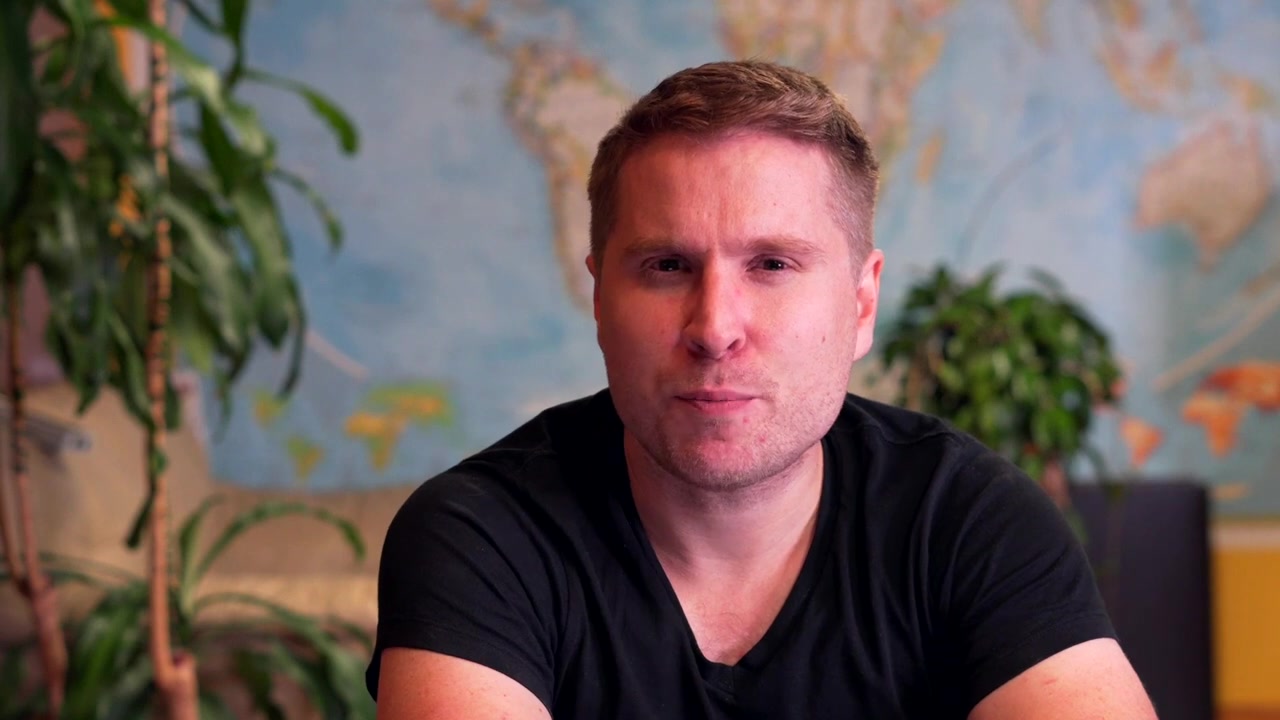
Ryan was a videographer and founder running a video editing business. He was religious, kind, and always brimming with new business ideas. He was so active in the startup community that he even ran a meetup group. To anyone looking in, he was a person full of energy.
But for four years, he had been battling mental illness. At one point, a serious issue surfaced publicly on social media, but whenever people reached out, he always responded with "I'm fine, I'm getting help." Even when contacted directly from Hong Kong, the response was the same. They even discussed planning the next founder meetup together, and he seemed genuinely excited.
A few weeks later, Ryan passed away. The founder colleagues who gathered at his funeral were all in shock, but when they looked honestly within themselves, many admitted they had experienced similar moments. This is the core of the founder mental health crisis: someone who looks perfectly fine on the outside may be falling apart on the inside. And we either do not know how to read the signs or do not know how to help.
"He was one of the nicest people that you would have ever met in your entire life."
"I bet you if a lot of them looked deep inside themselves there's probably been a moment in their lives where they were at that same point that Ryan had been."
How to apply: If there is a fellow founder around you who seems to be going through a tough time, do not just ask "Are you okay?" Instead, reach out specifically: "How have you been lately? I have been through something similar."
3. Entrepreneurship Is Jumping Off a Cliff and Building a Plane on the Way Down

There is a saying that "entrepreneurship is jumping off a cliff and building a plane on the way down." It is not an exaggeration. With tens of thousands of dollars in fixed costs going out every month, tomorrow's revenue is never guaranteed, and the market moves unpredictably. This uncertainty becomes the root of chronic anxiety.
In reality, 50.2% of founders suffer from anxiety disorders, a rate significantly higher than the general population. But the problem does not stop there. When things go bad, they go bad fast. One bad quarter dries up funding, team members leave, and investors turn their backs. Under this pressure, telling yourself "I'm fine" becomes routine.
What makes it even worse is the role society expects founders to play. Founders must be "the person with all the answers." They must respond to employee questions, project confidence to investors, and present a vision to customers. This pressure to "be strong" makes asking for help feel like an admission of failure. While 86% of founders work over 40 hours a week and one in three works over 50 hours, virtually none invest time in self-care.
"Entrepreneurship is like you jump off a cliff and you build a plane as you're going down."
How to apply: Block 30 minutes of "time for yourself" on this week's calendar. Whether it is a walk, meditation, or doing absolutely nothing, it does not matter.
4. Asking for Help Is Not Weakness but the Most Founder-Like Decision You Can Make
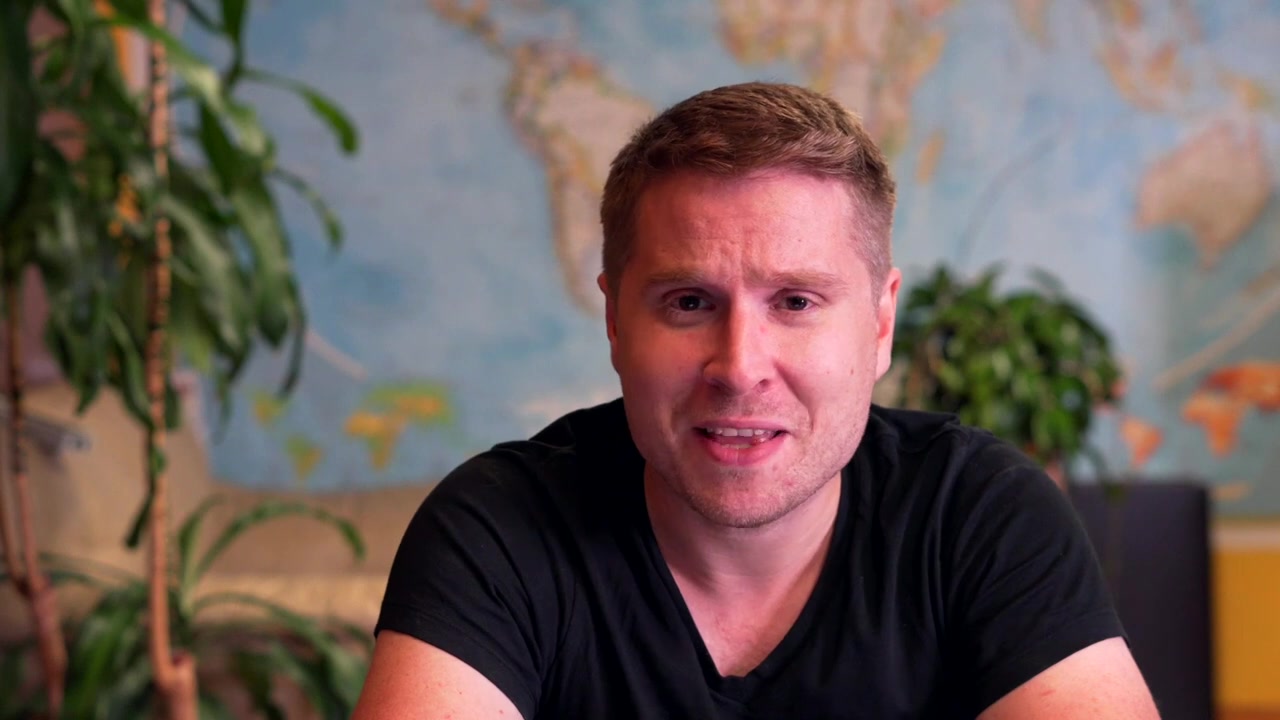
Speaking from personal experience with therapy, professional counseling is "incredibly useful." Yet most people view seeking help negatively. This is especially true for founders, who are expected to have all the answers.
After experiencing Ryan's tragedy, working through that experience systematically with a therapist was described as "being given a framework." This phrasing is telling. Founders are people accustomed to solving problems with systems, and mental health can be approached the same way. There are structured tools and methodologies, and with professional help, you can build your own coping system.
The core message is this: one of the most important decisions you can make as a founder is to ask for help. You do not do everything alone in business, right? You hire accountants, consult lawyers, and work with coaches. Mental health is no different. It is an area that should be entrusted to professionals. Movements like the Founder Mental Health Pledge advocate treating mental health care as a "business expense."
"I've done therapy before. I found it incredibly useful."
"The biggest variable I think for mental illness and depression as entrepreneurs is that we don't ask for help."
How to apply: Visit an online therapy platform (Talkspace, BetterHelp) or the Founder Mental Health Pledge site to explore what resources are available.
Mentioned tools:
- Crisis Text Line - Text-based crisis counseling service
- Crisis Line Canada - Canadian crisis counseling hotline
5. Do Not Obsess Over Outcomes: Focus on the One Thing You Need to Do Right Now
The essence of anxiety is worrying about things that have not happened yet. After investing money, time, and energy into a business, the uncertainty of not knowing how things will turn out is the root of anxiety. But here is the key insight: detach yourself from the outcomes.
This means having a long-term plan but not being attached to it. Business never goes according to plan. The path you envisioned in your head and the path you actually take can be completely different. So focus only on "What is the one thing I need to do right now to move the business to the next step?"
This connects to the concept of mindfulness. Instead of ruminating on past mistakes or imagining worst-case future scenarios, focus on the smallest step you can take right now. The advice to think of business as "steps" is highly practical. Looking at a staircase leading to the 10th floor feels overwhelming. But if you focus only on the single step beneath your feet, before you know it, you are on the 5th floor. This approach is effective not only for anxiety but also for preventing burnout.
"Detach yourself from the outcomes of your business because inevitably they are gonna go in directions that you never imagined."
How to apply: Today, write down just one thing that represents your "next step for the business" and focus solely on that. Leave the rest of the worries for tomorrow.
Action Checklist
Do today:
- Honestly rate your current mental health on a 1-10 scale
- Reach out specifically to one fellow founder who seems to be struggling
- Write down just one "next step for the business" and focus on it
This week:
- Book a free consultation on an online therapy platform (BetterHelp, Talkspace, etc.)
- Block 30 minutes of "me time" at least twice a week on your calendar
- Schedule an honest conversation with one trusted fellow founder
Long-term:
- Budget regular professional counseling (at least monthly) as a business expense
- Join a founder peer group or mastermind group
- Set work-life boundaries: if working 50+ hours per week, gradually reduce
- Prepare crisis resources (crisis hotline numbers, trusted contacts) and keep them accessible
Reference Links
References
- What They Don't Tell You About Entrepreneurship: Entrepreneurship and Mental Health - Running Remote (9:46)
Related Tools
| Tool | Purpose | Price | Link |
|---|---|---|---|
| Time Doctor | Remote team productivity tracking and time management software | 11.70 USD/user/month and up | Visit |
| Running Remote | World's largest remote work leadership conference (April 27-29, 2026 in Austin) | Conference ticket pricing varies | Visit |
| Crisis Text Line | 24/7 text-based crisis counseling service (US) | Free | Visit |
| 988 Suicide & Crisis Lifeline | US suicide prevention crisis hotline/text (dial 988) | Free | Visit |
| Founder Mental Health Pledge | Founder mental health awareness and resource community | Free | Visit |
| BetterHelp | Online therapy platform (recommended for founders) | 65-100 USD/week | Visit |
Related Resources
- Depression Among Entrepreneurs is an Epidemic Nobody is Talking About (Article) - In-depth look at structural causes and statistics of founder depression
- 17 Mental Health Statistics for Entrepreneurs (Article) - 17 key mental health statistics for founders
- Entrepreneurs' Mental Health and Well-Being: A Review and Research Agenda (Article) - Academy of Management Perspectives academic review
- Fortune: We Studied America's Entrepreneurs - Burnout, Anxiety, Depression (Article) - Fortune's 2025 survey of US entrepreneur mental health
- 21 Mental Health Tools & Resources for Entrepreneurs (Article) - Collection of 21 mental health tools and resources for founders
Fact-check Sources
- Founders experience mental health problems at higher rates than the general population → https://founderreports.com/entrepreneur-mental-health-statistics/
- Social isolation negatively affects founder mental health → https://journals.aom.org/doi/10.5465/amp.2017.0001
- Therapy/professional counseling is effective for founders → https://cerevity.com/tech-founder-burnout-statistics-2025-73-report-hidden-mental-health-crisis/
Questions to Consider
In the past six months, have there been moments when you said "I'm fine" while actually not being fine at all?
If your business failed tomorrow, do you have enough relationships and support systems to sustain you?
Among the founders around you, who might be struggling silently behind a facade of being okay?
Key Takeaways
- 1Honestly rate your current mental health on a 1-10 scale
- 2Reach out specifically to one fellow founder who seems to be struggling
- 3Write down just one "next step for the business" and focus on it
- 4Book a free consultation on an online therapy platform (BetterHelp, Talkspace, etc.)
- 5Block 30 minutes of "me time" at least twice a week on your calendar
- 6Schedule an honest conversation with one trusted fellow founder
- 7Budget regular professional counseling (at least monthly) as a business expense
- 8Join a founder peer group or mastermind group
- 9Set work-life boundaries: if working 50+ hours per week, gradually reduce
- 10Prepare crisis resources (crisis hotline numbers, trusted contacts) and keep them accessible
Want to read this later?
Save this insight to access it anytime
Original Video
창업자 72%가 겪는 멘탈 위기, 아무도 말하지 않는 창업의 어두운 이면