Lesson 45 / 46 in Mindset & Wellness
9 Research-Backed Daily Habits to Reduce Kids' Stress in Just 5 Minutes
TL;DR
Children's stress originates from academics, friendships, and family environment. Research shows that practicing just one simple habit for 3-5 minutes daily can noticeably lower stress hormone levels.
9 Research-Backed Daily Habits to Reduce Kids' Stress in Just 5 Minutes
TL;DR
Children's stress originates from academics, friendships, and family environment. Research shows that practicing just one simple habit for 3-5 minutes daily can noticeably lower stress hormone levels.
Key Numbers & Data
| Metric | Value | Context |
|---|---|---|
| Child anxiety diagnosis rate | 11% | US children ages 3-17 currently diagnosed with anxiety disorder (CDC) |
| Adolescent anxiety experience | 31.9% | Teens 13-18 who experience anxiety disorders |
| Child anxiety trend | 7.1% to 10.6% | Increase in child anxiety diagnoses from 2016 to 2022 |
| Recommended practice time | 3-5 min/day | Brief daily repetition accumulates effects |
| Optimal nature exposure | 20-30 minutes | Minimum time for nature to most effectively reduce stress |
Context: Why This Matters
Children's stress is no longer just an adult issue. CDC statistics show 11% of US children ages 3-17 are diagnosed with anxiety disorders, rising steadily from 7.1% in 2016 to 10.6% in 2022. Among teens, 31.9% of 13-18 year olds experience anxiety. School rules, exam pressure, friendship conflicts, family changes, and social media exposure create ever-diversifying stressors. The good news: research-backed techniques work for children too.
Key Insights
1. 20 Minutes of Nature Exposure Lowers Stress Hormones
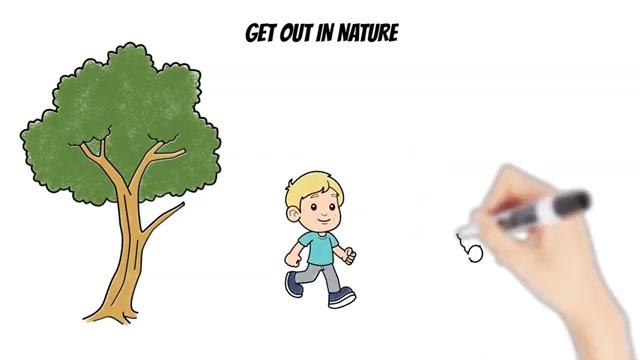
Walking, sitting under trees, bird watching, gardening, stargazing -- simple activities where the body is in nature send recovery signals to the brain. A systematic review of 7 studies showed nature exposure lowered physiological stress markers in all 7. A 2024 study found even chronically ill children showed decreased salivary cortisol from brief nature exposure.
"Research shows spending time in nature reduces stress, anxiety, and improves mood."
How to apply: This weekend, take a 20-minute nature walk with your child, observing trees, birds, and flowers.
2. Replace Morning Smartphone with Positive Activities
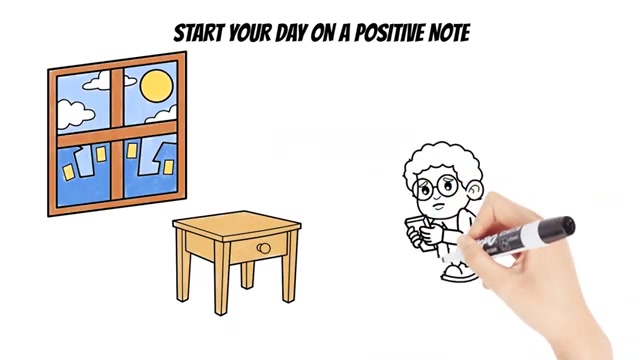
Morning social media or screen exposure raises the day's stress levels. Starting with exercise, uplifting music, tidying up, goal review, or healthy breakfast changes the entire day's stress response pattern -- morning stimuli determine the day's cortisol pattern.
"Looking at screens or social media first thing in the morning can actually increase stress."
How to apply: Create a "screen-free morning routine" list of 5 activities with your child and post it by the bed.
3. Sleep Deprivation May Be the Hidden Cause of Your Child's Stress
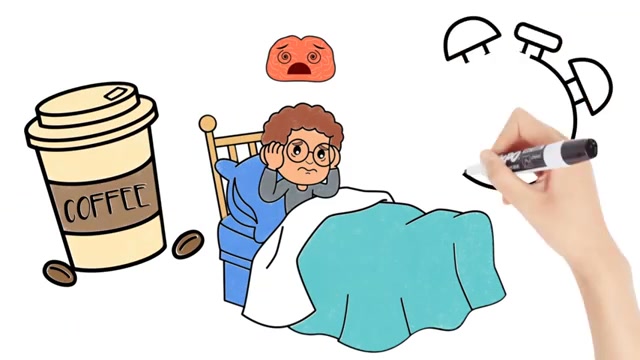
Sleep and stress have a bidirectional relationship. Sleep deprivation raises stress hormones, and high stress disrupts sleep. Key practices: stay active during the day, maintain consistent sleep/wake times, relaxation exercises in bed, turn off electronics at least 30 minutes before sleep.
"Sleep deprivation can lead to higher levels of stress, irritability, and anxiety."
How to apply: Starting today, turn off electronics 30 minutes before your child's bedtime and replace with stretching or reading.
4. Children Who Move 1+ Hour Daily Have Different Cortisol Responses
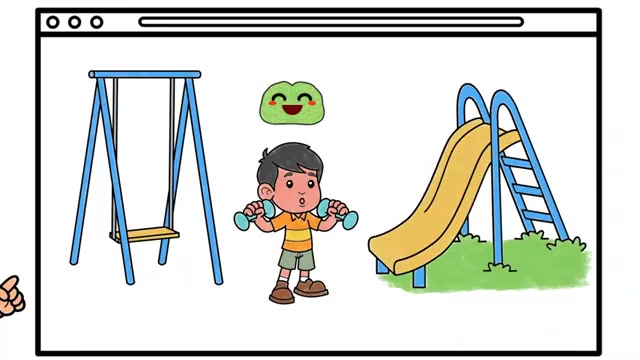
A 2025 European Journal of Sport Science study tracking 114 children ages 10-13 found those meeting WHO recommendations (1+ hour daily) showed lower cortisol during stress tasks. Regular exercise trains the brain to associate cortisol rises with positive signals.
"Research shows that children who exercise regularly have lower stress levels."
How to apply: Pick 3 physical activities your child enjoys and schedule them weekly. Target 60+ minutes of movement daily.
5. Why Shoulders Tense Under Stress -- And How to Release Them
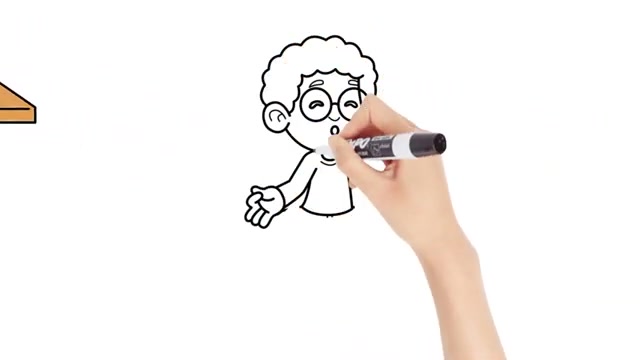
When stressed, the body enters "fight mode." Shoulders rise, jaw clenches, fists tighten. If physical tension is not released, the brain keeps receiving "still in danger" signals. Progressive Muscle Relaxation -- intentionally tensing then releasing muscles -- sends "now safe" signals.
"Releasing tension built up in muscles can help both brain and body become calmer and more relaxed."
How to apply: Teach your child "clench fist tight for 5 seconds then release." An instant relaxation technique usable anywhere.
6. 3 Replacement Sentences to Stop Negative Automatic Thoughts
In stressful situations, children's minds automatically generate negative thoughts: "I can't do it," "It's all ruined," "Nobody likes me." The key is noticing these automatic thoughts and replacing them: (1) "I'm strong, I can handle this," (2) "Time out, I'm taking a walk," (3) "Something good will come from this."
"Replace automatically arising negative thoughts with more helpful responses like 'I'm strong, I can handle this.'"
How to apply: Post the 3 replacement sentences on the fridge and read them together when your child expresses stress.
7. The Scientific Reason a Messy Room Raises Your Child's Stress
Cluttered environments constantly signal "there's a lot to process" to the brain, unconsciously raising cortisol and reducing focus. Teaching children to organize isn't about neatness -- it's building stress management skills.
"Disorganized spaces, cluttered environments, and poor time management often lead to higher stress and anxiety levels."
How to apply: Spend 30 minutes this week organizing your child's desk together and install a visible weekly task board.
8. A 3-Minute Mindfulness Meditation Resets Your Child's Brain
A quick emergency tool for the moment stress hits: slow down, breathe deeply, focus on one or more of the five senses. A 2024 randomized controlled trial with elementary students showed mindfulness programs significantly reduced psychological distress and improved sleep quality.
"If there's one quick, simple relaxation technique, it's the 3-minute mindfulness meditation."
How to apply: Practice "5-4-3-2-1 sensory meditation" with your child: find 5 things you see, 4 you hear, 3 you can touch, 2 you can smell, 1 you can taste.
9. Kindness Is the Most Surprising Way to Reduce Stress
Helping others triggers "Helper's High" -- oxytocin and serotonin release that naturally counteracts stress hormones. Small acts of kindness (complimenting someone, holding doors, cleaning up without being asked) build self-esteem and social connection, which serve as psychological shields against stress.
"Research shows that kindness and helping others can help manage stress."
How to apply: Start a "kindness challenge this week" with your child -- one small kind act daily, discussed together each evening.
Action Checklist
Do today:
- Teach your child the "clench fist 5 sec then release" relaxation technique
- Share 3 things you're grateful for at bedtime
- Set a rule to turn off electronics 30 min before bed
This week:
- Place books/art supplies by the bed instead of a smartphone
- Take a 20-min nature walk together at a local park
- Organize the desk together for 30 min and set up a weekly task board
- Start the "kindness challenge this week"
Long-term:
- Schedule 3 favorite physical activities weekly (target 60 min/day)
- Practice 3-min mindfulness meditation 3+ times per week together
- Build the habit of replacing negative automatic thoughts with alternative sentences
- Maintain sleep routine (consistent bedtime, relaxation, screen-free)
Reference Links
Source Material
- Stress Relief For Kids - Stress Management Techniques - 9 Daily Habits To Reduce Stress - Mental Health Center Kids (5:27)
Related Tools
| Tool | Purpose | Price | Link |
|---|---|---|---|
| Mental Health Center Kids | Children's mental health worksheets and resources | Free to paid | Visit |
| Mylemarks | Therapy resources for children and teens | Paid | Visit |
Related Resources
- 101 Stress Relief Activities For Kids (Article) - 101 stress relief activity ideas for children
- 2025 Navigating Mental Health Report (Article) - Child Mind Institute 2025 children's mental health report
Fact-Check Sources
- Nature exposure reduces stress and anxiety -> https://pmc.ncbi.nlm.nih.gov/articles/PMC8125471/
- Exercising children have lower stress levels -> https://onlinelibrary.wiley.com/doi/10.1002/ejsc.12273
- Sleep deprivation increases stress, irritability, and anxiety -> https://childmind.org/article/how-to-help-kids-sleep/
Questions to Consider
How does your child express stress? Behavioral changes, sleep problems, or irritability -- what signals do they show?
Of the 9 habits, which one could your family start most easily?
How is your own stress management as a parent? Are you modeling healthy coping for your child?
Key Takeaways
- 1Teach your child the "clench fist 5 sec then release" relaxation technique
- 2Share 3 things you're grateful for at bedtime
- 3Set a rule to turn off electronics 30 min before bed
- 4Place books/art supplies by the bed instead of a smartphone
- 5Take a 20-min nature walk together at a local park
- 6Organize the desk together for 30 min and set up a weekly task board
- 7Start the "kindness challenge this week"
- 8Schedule 3 favorite physical activities weekly (target 60 min/day)
- 9Practice 3-min mindfulness meditation 3+ times per week together
- 10Build the habit of replacing negative automatic thoughts with alternative sentences
- 11Maintain sleep routine (consistent bedtime, relaxation, screen-free)
Want to read this later?
Save this insight to access it anytime