Lesson 46 / 46 in Mindset & Wellness
Former Google Strategist's 5 Baseline Plans to Escape Burnout in 6 Weeks

TL;DR
A former Google strategist who was completely burned out from 90-hour weeks and a family crisis designed 5 baseline plans based on "stress cycle" theory and regained his vitality in just 6 weeks.
Former Google Strategist's 5 Baseline Plans to Escape Burnout in 6 Weeks
One-Line Summary
A former Google strategist who was completely burned out from 90-hour weeks and a family crisis designed 5 baseline plans based on "stress cycle" theory and regained his vitality in just 6 weeks.
Key Numbers & Data
| Metric | Value | Context |
|---|---|---|
| Burnout duration | 6 months | Period spent in burnout while working 90 hours/week responding to a family crisis |
| Recovery period | 6 weeks | Time to regain vitality after executing the baseline plan |
| End-of-work time | 5 PM | Strict cutoff to protect evenings and sleep |
| Digital detox | After 8 PM | Smartphone goes in the closet; only Kindle or paper books allowed |
| Worker burnout rate | 82% | Percentage of workers at risk of burnout as of 2025 (Meditopia) |
Background: Why This Matters
Burnout is not mere fatigue. It is serious enough that the WHO classified it as an official occupational phenomenon in 2019. As of 2025, 82% of workers worldwide are at risk of burnout. In the US alone, 77% of workers experienced work stress in the past month, and 44% reported being in an actual burnout state.
What deserves particular attention is that burnout does not simply come from "working too much." According to the bestseller Burnout: The Secret to Unlocking the Stress Cycle by sisters Emily Nagoski and Amelia Nagoski, the core issue is that "the stress cycle fails to complete." Our ancestors would run from a lion, and stress would naturally dissipate. But modern stress triggers -- Slack messages, traffic, global news -- are psychological, so physical release never happens.
When this cycle stays open and keeps accumulating, secondary emotions like helplessness, guilt, and anxiety emerge, eventually leading to emotional-physical-mental exhaustion: burnout. That is why simply "removing the stress source" is not enough -- you need specific actions that "complete the stress response itself."
Sheng Huang is a tech industry veteran who worked at Google and Niantic Labs (the makers of Pokemon Go, where he was the 30th employee). He has experience across corporate strategy, product management, user operations, and venture capital on multiple continents. He currently runs Mind Map Nation, a coaching service combining mind maps, first principles thinking, and project management techniques. Through his YouTube channel with over 1 million cumulative views, he teaches tens of thousands worldwide how to "turn chaos into opportunity."
Related market data:
- 82% of workers worldwide are at risk of burnout (Source: Meditopia for Work)
- 77% of US workers experienced work stress in the past month (Source: Wellhub)
- 44% of US workers report being in a burnout state (Source: Wellhub)
- Gen Z has overtaken millennials as the most burned-out generation (74%) (Source: The Interview Guys)
- Each burned-out employee costs approximately 4,000 USD annually (Source: The Interview Guys)
- Annual economic cost of US workplace stress: 300 billion USD (Source: SSR)
Key Insights
1. Burnout Is Like Death by a Thousand Paper Cuts
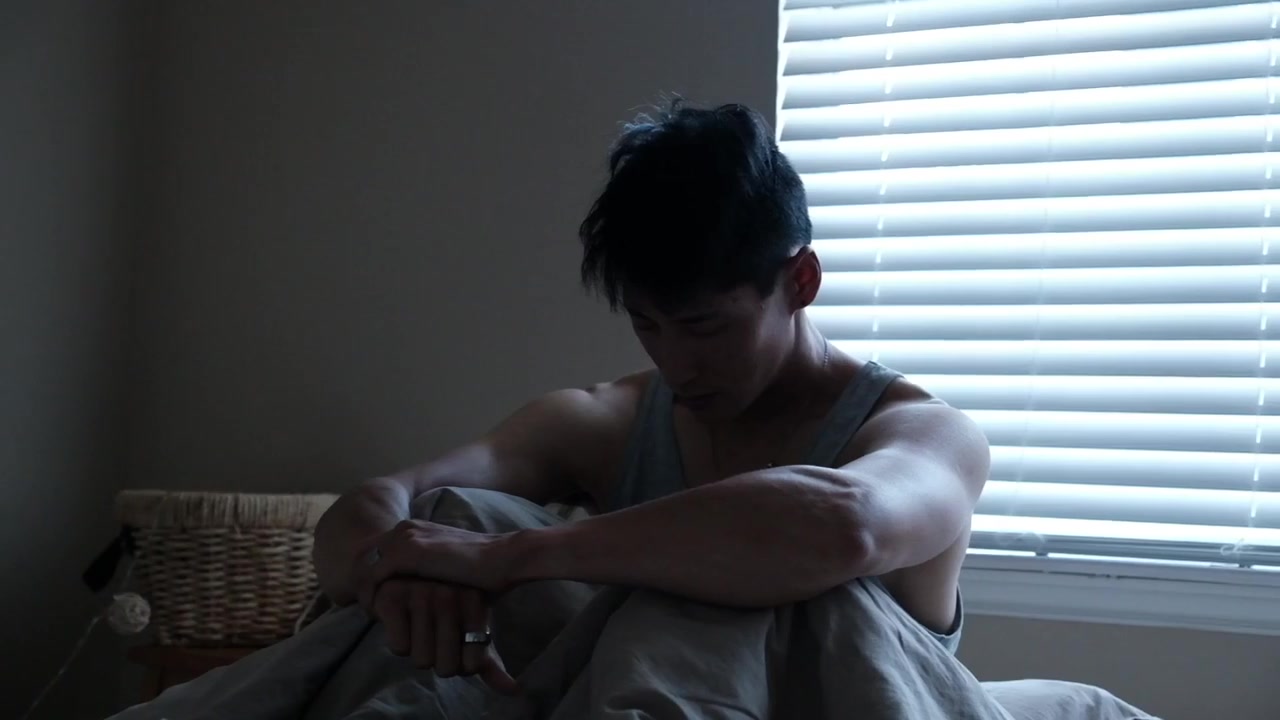
The most terrifying aspect of burnout is that it creeps up gradually. Staring blankly at a screen late at night, dreading the day each morning, drowning in to-do lists yet wanting to do nothing. Colors fading from things that once seemed beautiful, indifference replacing where love once lived.
Sheng Huang fell into exactly that state. As a mind map expert whose job was organizing other people's lives and work, he was spending his own days like an empty shell. For 6 months, he had been moving across the country to respond to a family crisis while working 90 hours per week to keep his business running.
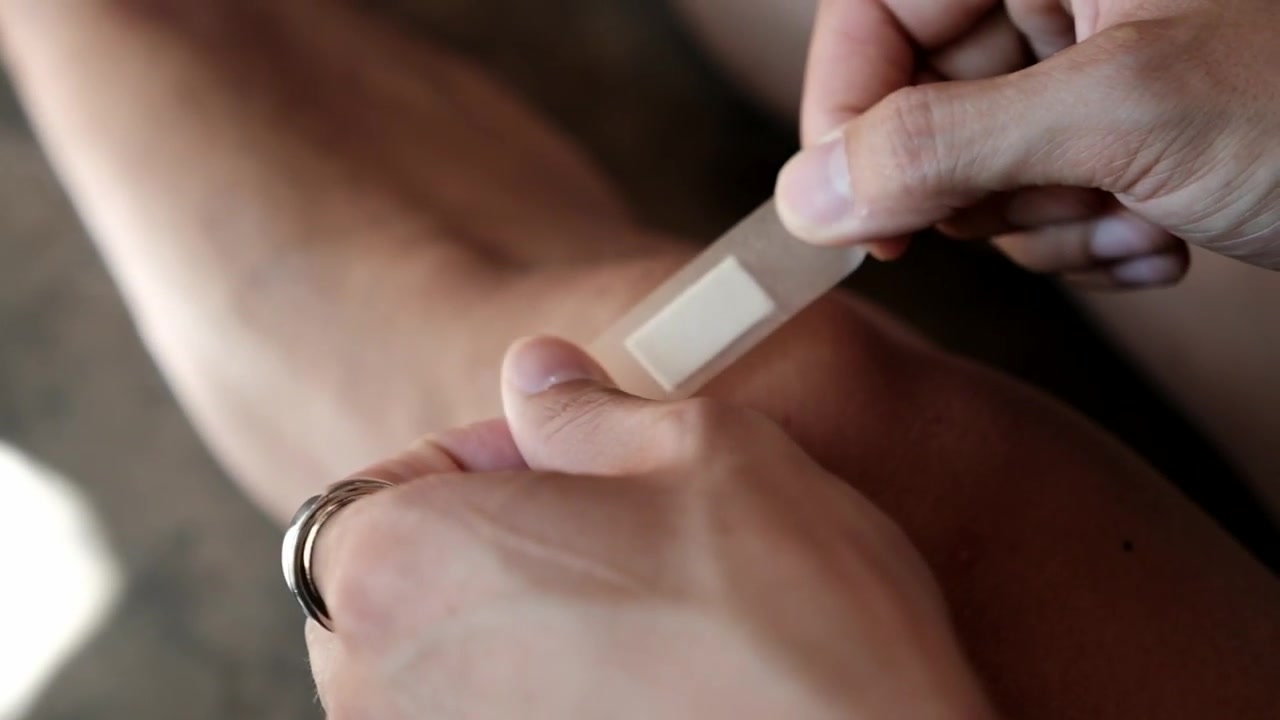
The critical point here is that he was not a "lazy person." He had always been energetic and ambitious, but one morning he felt as though he could not breathe. Like being trapped in a bad dream. His personal flame had gone out. He described burnout as "death by a thousand paper cuts" -- not one big event, but daily micro-stresses that eventually bring you down.
"Burnout is insidious, slowly suffocating you until you realize too late that you can't breathe."
"Here I was, a so-called mind map expert who helped other people navigate through life and work, now lost."
How to apply: Track your energy level, sleep quality, and motivation on a 1-10 scale daily for the past 2 weeks. If numbers consistently stay at 4 or below, it could be an early burnout signal.
2. Solving the Stress Source Does Not Solve the Stress -- You Must "Close" the Cycle
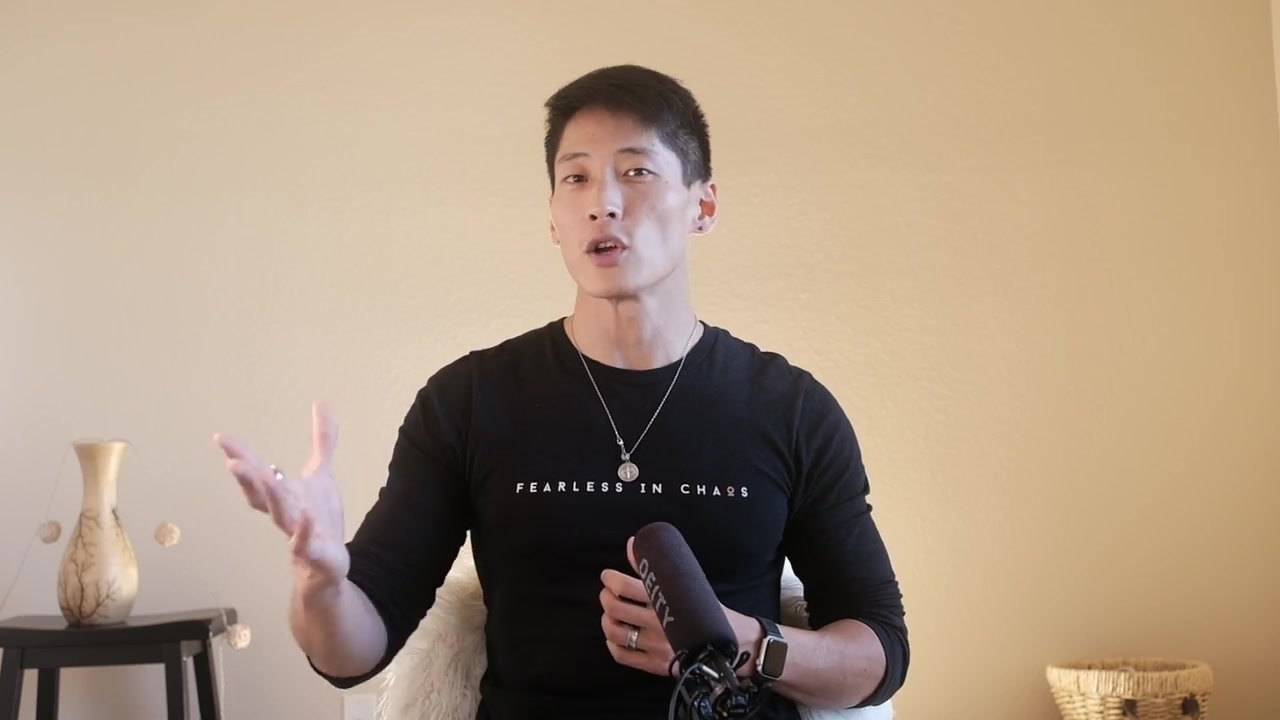
Sheng's turning point came when he discovered the book Burnout: The Secret to Unlocking the Stress Cycle by Emily and Amelia Nagoski. The most important concept in this book is the "stress cycle."
The stress response is originally a survival instinct. When a primitive human encountered a lion, fight-or-flight mode activated, heart rate spiked, and emotions like fear and anger exploded. After escaping to safety, the response naturally subsided and homeostasis returned. The cycle was complete.
The problem is modern stress. Slack notifications, traffic, global news -- these are psychological, not physical, stressors. You cannot literally run away from your boss's email. So stress cycles remain open and keep accumulating.
This accumulated stress creates "secondary emotions" -- helplessness, frustration, guilt, anxiety. Unlike primary emotions (fear, anger) that spike and subside quickly, secondary emotions burn slowly and lead to long-term powerlessness and despair. That is how people get trapped in this cycle for years.
"You can't just run away from your boss's emails and relax afterwards."
How to apply: This week, read at least a summary of Burnout: The Secret to Unlocking the Stress Cycle. Just understanding that "stress causes" and "the stress response itself" are different concepts can spark real change.
3. You Can Only See Burnout in Stillness -- The Lesson of Vipassana Meditation
The first step to escaping burnout is "recognizing and accepting" that you are burned out. But this is not as easy as it sounds. Modern stressors are so subtle that many people do not even realize they are stressed.
Sheng first noticed his breathing becoming rough and palms getting sweaty under stress while practicing Vipassana meditation. Vipassana involves 10 days of silence while observing bodily sensations. Research shows this practice lowers cortisol (stress hormone) levels and increases interoceptive awareness, helping you better recognize your emotional state.
Sheng finally felt something was wrong during a family cruise, only when placed in the calm environment of the open sea. But "putting a face on an invisible enemy" and "accepting it" are different problems. Being originally energetic and ambitious, he could not accept his burnout for weeks, fearing it would derail all his goals and disappoint everyone depending on him. Only after wrestling daily with motivation did he finally acknowledge reality and start planning recovery.
The key message is that "stillness is the key to recognizing burnout." When you run on a hamster wheel, there is no space to examine yourself. You need intentional time to stop.
"Stillness is key for recognizing burnout in the first place."
How to apply: Spend at least 5 minutes per day sitting still and observing your breath and body state. No app, no guide -- just "be still." This alone significantly helps you recognize your stress level.
4. Turning "Have-To-Dos" into "Want-To-Dos": 5 Specific Actions
The modern way to close the stress cycle is through exercise, sleep, deep breathing, crying, and positive social interaction. These send the "you are safe now" signal to the brain, releasing accumulated stress. Sheng designed a "baseline plan" based on these principles to reduce stressors and increase joy, freedom, and rest in his daily life.
1) No Agenda Weekends: No plans on weekends. Weekdays: work only until 5 PM, bed at 10 PM. This seems simple but is the key. The "creative constraint" of a 5 PM cutoff actually led to more delegation and a quality-over-quantity focus.
2) Digital Detox: After 8 PM, smartphone goes in the closet. Only Kindle or paper books in bed. Stanford research shows that 20 minutes of slow breathing exercises before bed significantly improves sleep quality, and removing your phone naturally creates this relaxation time.
3) Restore Morning Routine: Sunlight exposure, Wim Hof breathing, 25-minute high-intensity exercise, and journaling before starting work. The Wim Hof method influences the autonomic nervous system through deliberate hyperventilation and breath holds, reducing stress response. Research shows it raises epinephrine levels for anti-inflammatory effects and may help alleviate burnout symptoms.
4) Cancel Amazon Prime: Cut off the shopping habit that had developed as a stress coping mechanism. In burnout, dopamine-chasing impulse spending is common. Canceling the subscription itself physically removed the temptation.
5) Voluntary Socializing: Instead of pre-scheduling, only call friends when you actually want to. The guilt of ignoring messages had become severe, but changing "obligatory contact" to "wanted contact" actually enabled more genuine conversations.
The core strategy is clear: convert "have-to-dos" into "want-to-dos" while eliminating mental clutter. And it is also a promise to yourself not to expect previous productivity levels until fully recovered from burnout.
"The overall strategy was about turning my have-to-dos into want-to-dos, while eliminating mental clutter."
How to apply: Starting tonight, put your smartphone in another room after 8 PM and fill that time with reading or light stretching. Try it for just 3 days and you will feel the difference in sleep quality.
5. "Fun" Is an Underrated Recovery Medicine -- Surprising Results of the 6-Week Sprint
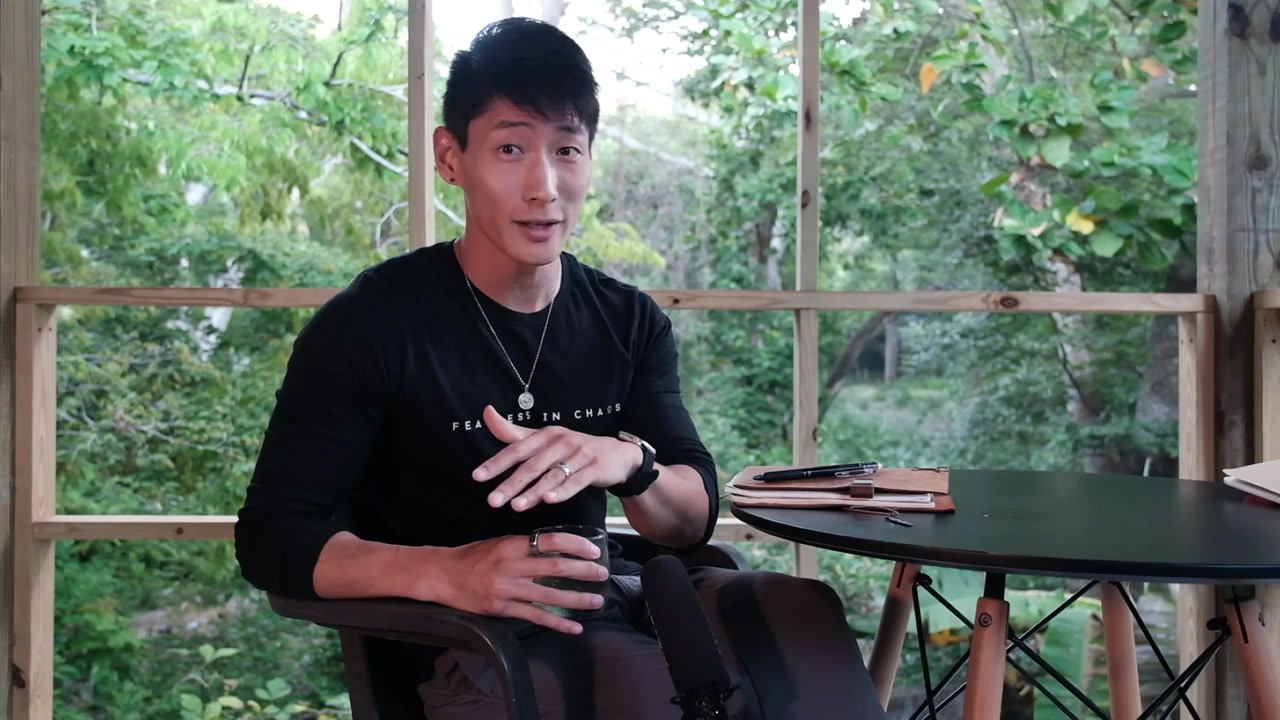
After executing the baseline plan in 2-week sprints for 6 weeks, the results were quite remarkable. The biggest fear -- "will my work fall apart?" -- turned out to be unfounded. The 5 PM constraint actually led to more delegation to the team, delivering equal value to clients during available hours. The focus shifted from quantity (time) to quality (intensity).
Another interesting change was that instead of binding himself to strict schedules, he started acting "as his mood led." This led to some quite fun choices -- like planning to move to Austin for a few months, or spontaneously buying a one-way ticket to El Salvador.
And the biggest realization from this journey: how much "fun" is underrated in our modern hustle culture. Once weekends and evenings were liberated, he could finally discover what was missing in his life. Having the freedom to do things that bring color to life naturally closed the stress cycle, and beyond that, he realigned with his purpose.
The 2-week sprint framework is also noteworthy. Sprints are typically associated with speed and productivity, but Sheng used them as a tool for "injecting intentionality." Short 2-week cycles for execution and review reduced pressure, and small wins accumulated to create natural recovery momentum. The most dangerous thing in burnout recovery is "trying to change everything at once." Starting small, reviewing every 2 weeks, and gradually expanding is the key.
"The biggest epiphany out of all of this is just how much fun is underrated in our modern hustle society."
How to apply: This weekend, create one day with no plans where you only do "what you want." No productivity or self-improvement purpose -- purely enjoyable activities. What you choose will tell you what is currently missing in your life.
Action Checklist
Do today:
- Put your smartphone in another room after 8 PM tonight
- Reflect on your energy levels the past 2 weeks on a 1-10 scale (sustained 4 or below = early burnout signal)
- Spend 5 minutes sitting still observing your breath
This week:
- Stop checking work email/Slack after 5 PM (or your set time)
- Set one day this weekend as "No Agenda Day" -- only do what you want
- Write down 3 current stressors and 3 activities that bring you joy
Long-term:
- Design and execute your own baseline plan in 2-week sprints
- Build a morning routine (sunlight exposure + breathing exercises + exercise + journaling)
- Read Burnout: The Secret to Unlocking the Stress Cycle
- Identify habits used as stress coping mechanisms (shopping, social media, drinking, etc.) and replace them one by one
Reference Links
References
- How I cured my burnout (The Burnout Recovery Map) - Sheng Huang (10:17)
Related Tools
| Tool | Purpose | Price | Link |
|---|---|---|---|
| Burnout: The Secret to Unlocking the Stress Cycle (Book) | Emily & Amelia Nagoski's NYT bestseller on the science of stress cycles and how to complete them. | Approx. 15-18 USD (paperback) | Visit |
| Wim Hof Method | Health management method built on 3 pillars: breathing, cold exposure, and mindset. Helps regulate autonomic nervous system. | Free (basic) / paid courses available | Visit |
| Mind Map Nation | Sheng Huang's mind map-based coaching platform. Free Epiphany Mapping course available. | Free course / premium membership | Visit |
| Epiphany Mapping Course | Free self-discovery and goal-setting course using mind maps. Includes 40-page ebook upon completion. | Free | Visit |
Related Resources
- Burnout: The Secret to Unlocking the Stress Cycle - Official Site (Article) - Nagoski sisters' stress cycle theory official site
- Wim Hof Method - Burnout Recovery (Article) - Wim Hof breathing application guide for burnout recovery
- Brief structured respiration practices enhance mood and reduce physiological arousal (Stanford) (Article) - Stanford study showing 5-minute daily breathing exercises effectively improve mood and reduce physiological arousal
- Brene Brown - Burnout and How to Complete the Stress Cycle (Article) - Brene Brown's podcast conversation with the Nagoski sisters
Fact-check Sources
- Closing the stress cycle through exercise, sleep, deep breathing, crying, and positive social interaction → https://www.burnoutbook.net/
- Wim Hof breathing affects the autonomic nervous system → https://pmc.ncbi.nlm.nih.gov/articles/PMC10936795/
- 5-minute daily breathing reduces anxiety → https://med.stanford.edu/news/insights/2023/02/cyclic-sighing-can-help-breathe-away-anxiety.html
Questions to Consider
Is my stress cycle properly closing right now? If not, what "completion action" can I add?
Among the things I do daily, what is the ratio of "have-to-dos" to "want-to-dos"?
When was the last time I did something purely for "fun"?
Key Takeaways
- 1Put your smartphone in another room after 8 PM tonight
- 2Reflect on your energy levels the past 2 weeks on a 1-10 scale (sustained 4 or below = early burnout signal)
- 3Spend 5 minutes sitting still observing your breath
- 4Stop checking work email/Slack after 5 PM (or your set time)
- 5Set one day this weekend as "No Agenda Day" -- only do what you want
- 6Write down 3 current stressors and 3 activities that bring you joy
- 7Design and execute your own baseline plan in 2-week sprints
- 8Build a morning routine (sunlight exposure + breathing exercises + exercise + journaling)
- 9Read *Burnout: The Secret to Unlocking the Stress Cycle*
- 10Identify habits used as stress coping mechanisms (shopping, social media, drinking, etc.) and replace them one by one
Want to read this later?
Save this insight to access it anytime
Original Video
How I cured my burnout (The Burnout Recovery Map)