Lesson 35 / 46 in Mindset & Wellness
50% of Workers Experience Burnout: 3 Recovery Methods from a 20-Year Medical Journalist
TL;DR
Burnout finds you even at your dream job — to erase the marks chronic stress carves into your body, you need to find answers in your body, not your head.
50% of Workers Experience Burnout: 3 Recovery Methods from a 20-Year Medical Journalist
One-Line Summary
Burnout finds you even at your dream job — to erase the marks chronic stress carves into your body, you need to find answers in your body, not your head.
Key Numbers & Data
| Metric | Value | Context |
|---|---|---|
| Workers experiencing burnout | 50% | Half of all workers worldwide currently feel some degree of burnout |
| Productivity decline threshold | 50 hours/week | Stanford research shows hourly productivity drops sharply after 50 hours per week |
| Stroke risk increase (55+ hrs/week) | 35% | WHO study: workers clocking 55+ hours per week face 35% higher stroke risk |
| Burnout recovery starting time | 5 minutes/day | You can start recovery with just 5 minutes of tai chi — the key is daily consistency |
Background: Why This Matters
Burnout is no longer a sign of personal weakness — it is an occupational phenomenon officially recognized by the WHO. It is a syndrome resulting from chronic workplace stress that has not been successfully managed, defined across three dimensions: energy depletion, increased mental distance from work, and reduced professional efficacy.
What is fascinating is that burnout does not only occur in bad workplaces. Research actually shows that high performers who love their work are more vulnerable. The greater your passion for work, the more you push yourself beyond limits, ignoring warning signals from your body under the illusion that "I'm still fine."
As of 2025, approximately 50% of workers worldwide experience some degree of burnout, a figure that has risen rapidly from 38% in 2023. Burnout rates are especially high among teachers, healthcare workers, and first responders. Among Gen Z, digital fatigue and job instability combine to push burnout rates above 50%.
Sophie Scott is an award-winning journalist who has worked as a national medical correspondent for Australia's ABC for over 20 years. She has won multiple journalism awards including the Eureka Award, authored three books — Live a Longer Life, RoadTesting Happiness, and Beat High Functioning Anxiety Now — and serves as an adjunct associate professor at the University of Notre Dame School of Medicine. She was awarded the Order of Australia Medal (OAM) for her contributions to broadcast media and community health.
Related market data:
- Approximately 43-50% of workers worldwide experience burnout (up from 38% in 2023) (Source: Gallup / Meditopia 2025 Report)
- Female burnout rate 59% vs. male 46% (Source: Workplace Mental Health Statistics 2026)
- Gen Z burnout rate exceeds 50% — digital fatigue and job instability are key drivers (Source: The Interview Guys 2025 Report)
- Workers clocking 55+ hours/week face 35% higher stroke risk and 17% higher heart disease mortality (Source: WHO study)
- Hourly productivity plummets after 50 hours/week — 60 hours produces the same output as 50 hours (Source: Stanford University study)
- Over one-third of public health workers experience burnout (Source: Human Resources for Health meta-analysis)
Key Insights
1. A Great Job Does Not Protect You from Burnout
There was a medical journalist who had dreamed since childhood of telling people's stories. Being a TV health reporter and giving patients a voice felt like a true privilege. She shed tears of relief alongside Carol while waiting for cancer test results, wept beside the empty crib of Rachel and Johnny who lost their seven-month-old daughter Mackenzie to a genetic disorder, and shared Andrea's miraculous story of recovering from a wheelchair-bound life with multiple sclerosis through stem cell transplantation.
But here is the critical point — all those moving moments were only one side of the coin. When the camera turned off, the picture was completely different. Her mind was always racing while her body was exhausted. She was engaged in her work yet utterly drained. Tired but wired — that strange state.
This is the trap many professionals fall into. The thought: "I'm doing good work, so I must be fine." The fact that your work is meaningful feels like a vaccine against burnout, but it can actually make you more vulnerable. The stronger your sense of mission, the more you ignore your own limits.
"I used to think that I was invincible, but then I realized the hard way that I wasn't."
"My mind was always racing yet my body was tired. I was engaged but I was exhausted. I was tired but I was wired."
How to apply: Honestly assess your current state. Check whether there are body signals you are ignoring behind the thought "I'm doing good work, so I'm fine."
2. Chronic Stress Always Leaves Its Mark on the Body
Starting each morning with several cups of caffeine and unwinding at night with a few glasses of wine — a pattern many workers can relate to. But the realization that this pattern was eroding her health came at a truly dramatic moment.
She was hosting an awards ceremony for healthcare professionals. Wearing a sparkly dress and high heels, she felt great. But when she stepped up to the podium to announce the first award, dizziness suddenly overtook her. She had to grip the podium to keep from collapsing. She could not understand why her nervous system was not functioning properly.
She had heard the phrase "the body keeps the score" before, but only then did she truly believe it. This is also the title of Dr. Bessel van der Kolk's famous book, and its core message is that chronic stress and trauma become imprinted in muscles, breathing patterns, posture, and movement. These imprinted patterns cannot be resolved through thought alone — healing requires direct physical intervention.
Recent research shows that people who work 55+ hours per week face 35% higher stroke risk and 17% higher heart disease mortality compared to those working 35-40 hours (WHO study). Stanford University research also found that hourly productivity plummets after 50 hours, meaning someone working 60 hours produces roughly the same output as someone working 50 hours.
"Chronic stress takes a toll in your body, no matter how good your job might be."
"I'd heard the phrase before — the body keeps score — but now I really believed it."
How to apply: Observe your caffeine-alcohol cycle this week. If you cannot wake up without coffee and cannot sleep without a drink, your nervous system is likely already overloaded.
3. High Performers Are More Vulnerable to Burnout
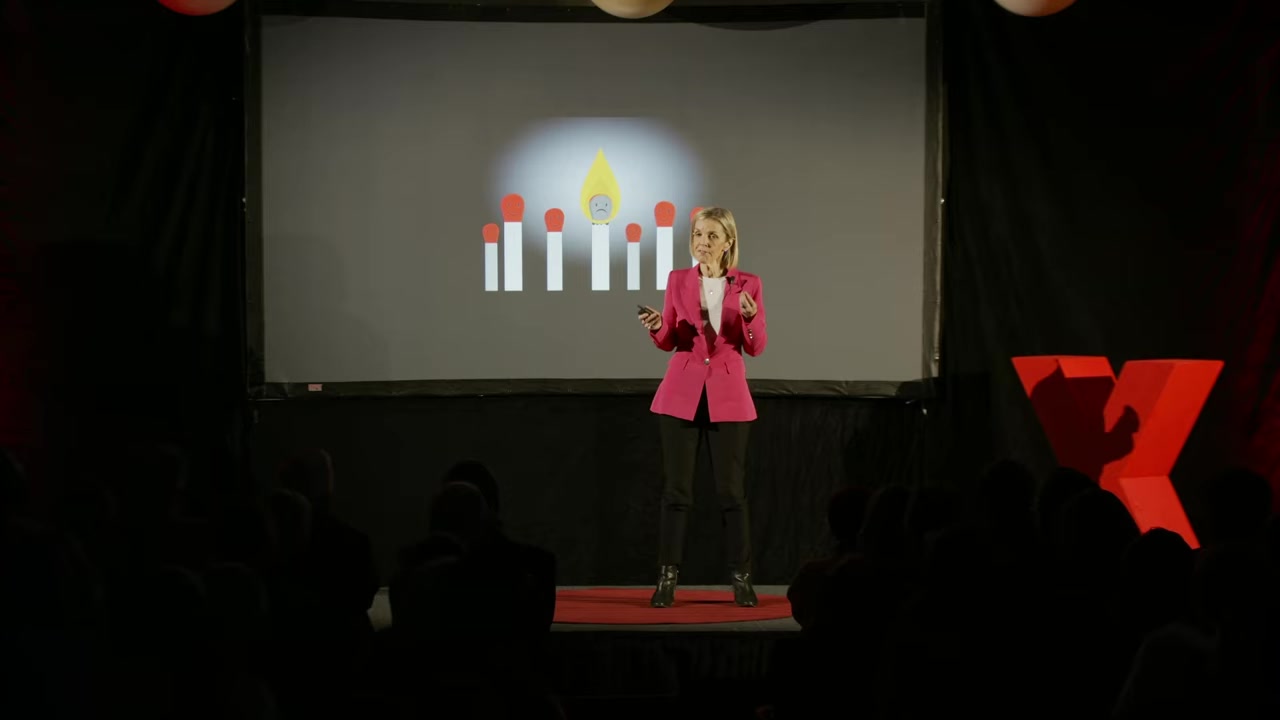
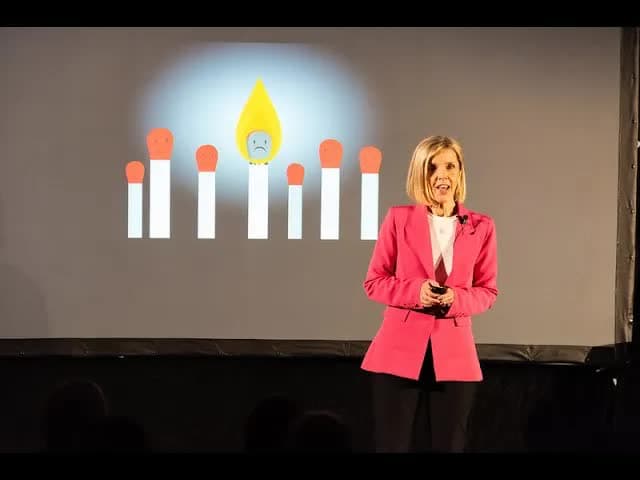
Burnout is fundamentally different from simply being tired or stressed. It is a state of complete physical and emotional depletion. You feel disillusioned and emotionally distant from work you once poured passion into. You feel isolated and wonder whether others feel the same way.
Here is the twist: high performers who love their work are actually more vulnerable to burnout. It seems counterintuitive, but when you think about it, it makes perfect sense. The greater your passion for work, the harder it becomes to set boundaries, and "just a little more" repeats endlessly.
Research shows that people who overwork are not necessarily more productive or happier. A study conducted in Georgia found that overworkers scored lower not only on personal well-being but also on family well-being. It raises a painful question — when we decided to work those long hours, was this really our intention?
There is a saying that in 10 years, the only people who will remember those long hours you worked will be your children. This is not just an aphorism — it is a reality backed by research data.
"Burnout doesn't just happen if you have a crappy job or a crappy boss. It can happen in a fulfilling job as well."
"In 10 years time, the only people that'll remember those long hours that you worked will be your children."
How to apply: Honestly calculate your working hours over the past month. When you add actual work hours plus "thinking about work" hours, how many hours per week is it? If it exceeds 50 hours, there is a high chance it is habitual overwork rather than productive work.
4. Burnout Recovery Starts in the Body, Not the Mind
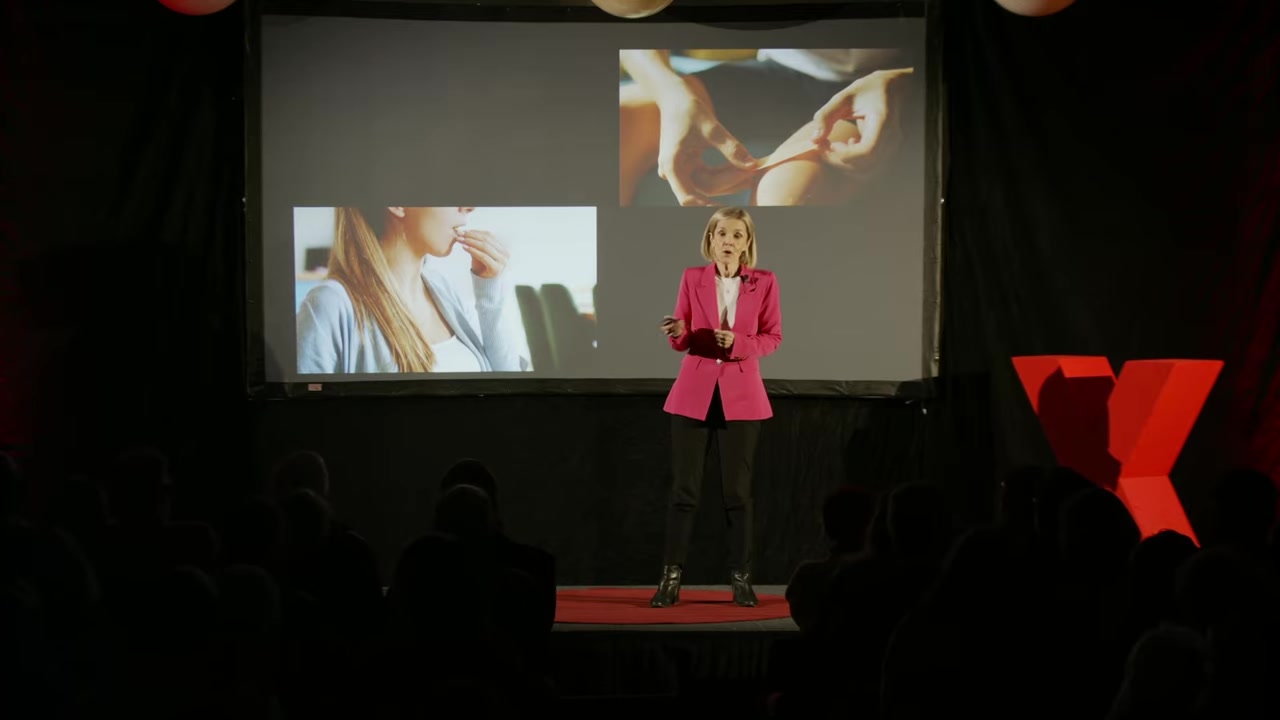
The most painful realization in burnout recovery is this — no one is coming to save you. As Oprah Winfrey famously said, "No one is coming to save you." Your manager simply wants you to do good work.
So she had to ask herself a hard question: why had she equated being productive and busy with self-worth? At the core of perfectionism lies the feeling "I am not enough." As Brene Brown puts it, recovering the sense that "you are enough" is where healing begins.
But here is the truly important insight: because burnout has so many physical symptoms, you cannot think your way out of it. The body truly holds the key. According to Professor Kristin Neff's self-compassion research, just 20 seconds of warm self-touch activates the parasympathetic nervous system and lowers cortisol levels. Doing this consistently for a month shows meaningful improvements in mental health.
The specific recovery practices come down to three things. First, meditate every day before getting out of bed. Second, move your body every day — in the beginning, five minutes of tai chi was all it took, and that was enough. Third, connect with people who bring you genuine joy. Making these three things a daily routine switches your nervous system from survival mode (fight-or-flight) to relaxed mode.
The latest body-mind research also shows that rhythmic activities like yoga, tai chi, and meditation effectively synchronize brainwaves and regulate the nervous system. The academic consensus is that talk therapy alone is not enough — physical approaches must be integrated.
"No one is coming to save you, and that's the same for burnout as well."
"You can't think your way out of it. The body really does hold the key."
How to apply: Tomorrow morning, start with a 5-minute meditation before getting out of bed. No app needed — just close your eyes and focus on your breathing. After work, even 5 minutes of slowly moving your body will make a difference.
5. Change Your Direction by 1% Every Day and You Will Arrive Somewhere Entirely Different
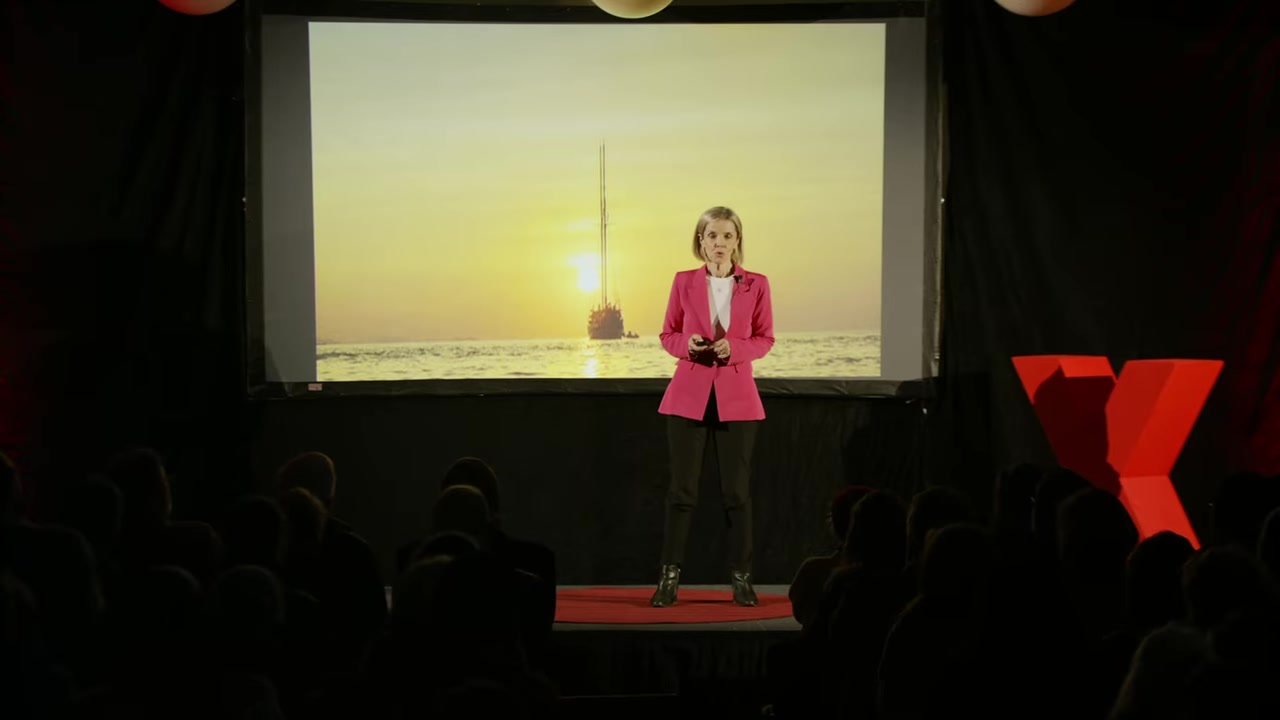
Burnout recovery makes more sense when you think of it like navigation. Imagine a ship heading toward a destination, and you adjust its course by just 1% every day. At first, the difference seems negligible, but with consistency, you eventually arrive at an entirely different destination.
This is the essence of burnout recovery. You do not need to turn your life upside down overnight. You do not need to quit your job or suddenly create the perfect work-life balance. Five minutes of morning meditation, five minutes of evening stretching, genuinely checking in with one person every day — when these small changes accumulate, your entire nervous system resets.
Finally, one truly powerful question remains. How do you want to be remembered? When you are 80 years old sitting in a rocking chair, what will have mattered? Do you want to be remembered as someone who worked really hard, or as someone who lived according to their values and cherished the people around them?
Listen to what your body is telling you. Your body truly does hold the answers. How to live this one precious life we have been given — this moment is the time to decide.
"How do you want to be remembered? As someone who worked really hard? Or as someone who really lived life according to their values?"
"Listen to what your body is telling you. It really does hold the key."
How to apply: Imagine yourself at 80. Sitting in a rocking chair, looking back at your present self — what would you say? Write that answer on paper and implement one small change this week.
Action Checklist
Do today:
- Body check right now — are your shoulders raised, jaw clenched, breathing shallow?
- Try a 3-minute breathing meditation before bed tonight (counting breaths is enough, no app needed)
- Start tracking your actual working hours this week (including time spent thinking about work)
This week:
- Set up a daily 5-minute morning meditation routine (before getting out of bed)
- Move your body for at least 5 minutes daily (stretching, walking, tai chi — anything works)
- Keep a caffeine-alcohol cycle observation journal
- Reach out to one person who gives you energy
Long-term:
- Practice dismantling the "productivity = self-worth" equation consistently
- Build a routine of "asking my 80-year-old self" before every big decision
- Secure at least 30 minutes of "doing nothing" time every week
- Read one book on self-compassion (recommended: Kristin Neff's Mindful Self-Compassion for Burnout)
Reference Links
References
- How to heal yourself from burnout | Sophie Scott | TEDxKatoomba - TEDx Talks (8:55)
Related Tools
| Tool | Purpose | Price | Link |
|---|---|---|---|
| Mindful Self-Compassion for Burnout | By Kristin Neff & Christopher Germer. A practical guide to self-compassion for burnout recovery. | 18.95 USD (paperback) | Visit |
| Self-Compassion.org | Professor Kristin Neff's official site. Free self-compassion test and guided meditations. | Free (self-compassion test, meditation guides) | Visit |
| The Body Keeps the Score | By Bessel van der Kolk. Bestseller on how trauma and stress affect the body and body-based healing methods. | 11.99 USD (Kindle) | Visit |
Related Resources
- Happiness Break: A Self-Compassion Meditation For Burnout (Article) - UC Berkeley Greater Good Center's self-compassion meditation guide for burnout recovery
- The Research Is Clear: Long Hours Backfire for People and for Companies (Article) - Harvard Business Review on how overwork backfires for both individuals and companies
- Employee Burnout Statistics 2026: Global & Workplace Insights (Article) - Comprehensive 2026 global burnout statistics by industry, generation, and gender
- Sophie Scott: How to Heal Yourself From Burnout (Podcast) (Article) - Deeper dive into Sophie Scott's burnout recovery experience via podcast interview
Fact-check Sources
- 50% of workers feel burned out → https://meditopia.com/en/forwork/articles/employee-burnout-statistics
- High performers are more vulnerable to burnout → https://blog.theinterviewguys.com/workplace-burnout-in-2025-research-report/
- Overworkers are not more productive (Georgia study) → https://hbr.org/2015/08/the-research-is-clear-long-hours-backfire-for-people-and-for-companies
Questions to Consider
Am I equating "being busy" with "being valuable" right now?
If my 80-year-old self were looking at me today, what advice would they give?
Among the signals my body is sending right now, which ones am I consciously ignoring?
Key Takeaways
- 1Body check right now — are your shoulders raised, jaw clenched, breathing shallow?
- 2Try a 3-minute breathing meditation before bed tonight (counting breaths is enough, no app needed)
- 3Start tracking your actual working hours this week (including time spent thinking about work)
- 4Set up a daily 5-minute morning meditation routine (before getting out of bed)
- 5Move your body for at least 5 minutes daily (stretching, walking, tai chi — anything works)
- 6Keep a caffeine-alcohol cycle observation journal
- 7Reach out to one person who gives you energy
- 8Practice dismantling the "productivity = self-worth" equation consistently
- 9Build a routine of "asking my 80-year-old self" before every big decision
- 10Secure at least 30 minutes of "doing nothing" time every week
- 11Read one book on self-compassion (recommended: Kristin Neff's *Mindful Self-Compassion for Burnout*)
Want to read this later?
Save this insight to access it anytime
Original Video
직장인 50%가 겪는 번아웃, 20년차 의학 전문 기자가 찾은 3가지 회복법