Lesson 38 / 46 in Mindset & Wellness
The Science of Beating Burnout: 5 Recovery Strategies for the 66% of Workers Facing Emotional Exhaustion
TL;DR
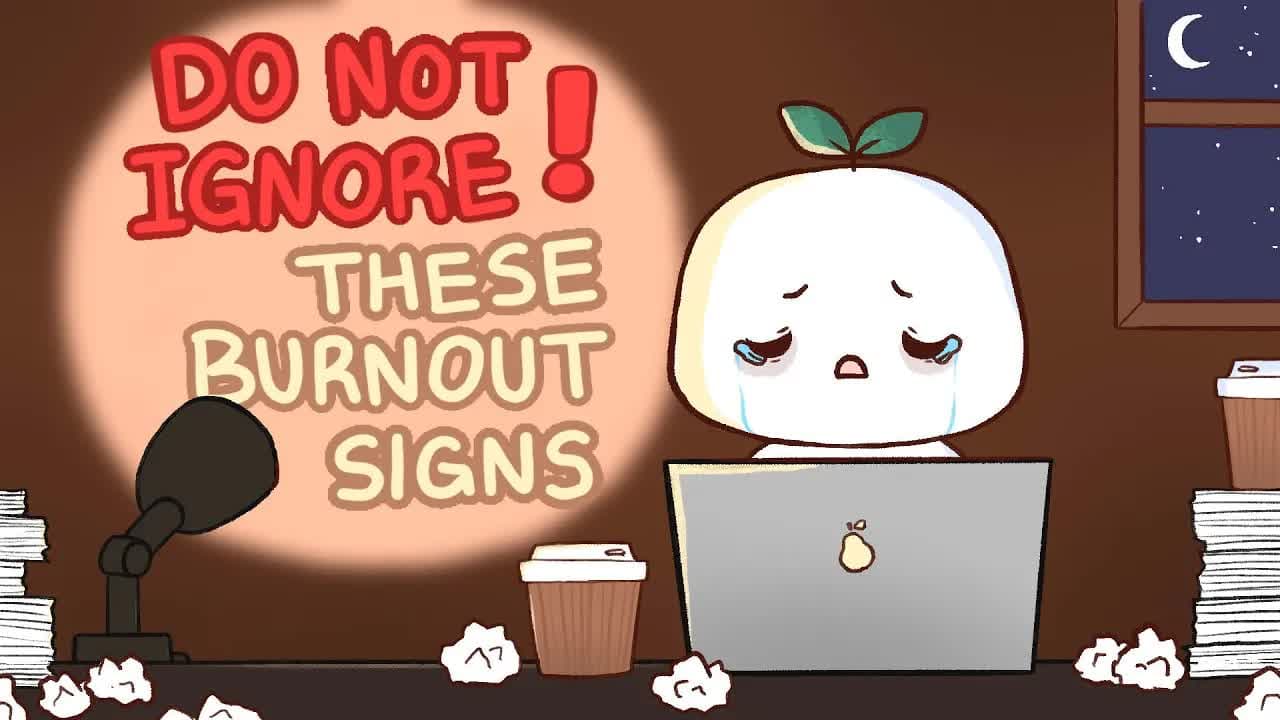
Burnout is not just being tired -- it is chronic emotional exhaustion caused by unfinished stress cycles. Escape it with a 5-step recovery routine: identify real stressors, complete the stress cycle, fix sleep hygiene, boost oxytocin, and practice self-care without guilt.
The Science of Beating Burnout: 5 Recovery Strategies for the 66% of Workers Facing Emotional Exhaustion
One-Line Summary
Burnout is not just being tired -- it is chronic emotional exhaustion caused by unfinished stress cycles. Escape it with a 5-step recovery routine: identify real stressors, complete the stress cycle, fix sleep hygiene, boost oxytocin, and practice self-care without guilt.
Key Numbers & Data
| Metric | Value | Context |
|---|---|---|
| Workers experiencing burnout | 66% | Two out of three US workers have experienced some form of burnout (2025) |
| Burnout risk ratio | 82% | Percentage of global workers at risk of burnout |
| Productivity loss cost | 322B USD per year | Estimated global productivity loss due to burnout |
| Women's burnout rate | 59% | 13 percentage points higher than men (46%) |
| Gen Z burnout onset age | 25 years old | Gen Z and Millennials reach peak burnout 17 years earlier than average |
Background: Why This Matters
Burnout is no longer dismissed as "lack of willpower." After the WHO officially classified it as an "occupational phenomenon," both academia and corporations began developing systematic responses. Remote work has blurred the boundary between work and life since the pandemic, pushing burnout rates to all-time highs.
According to 2025 global surveys, 66-77% of US workers have experienced burnout, and 82% are in the at-risk category. In the UK, 91% of adults reported extreme stress in the past year. The economic costs are staggering -- global productivity losses from burnout are estimated at 322 billion USD annually.
The real problem is that anyone can be affected. Students, employees, freelancers, parents -- burnout spares no one. Gen Z in particular reaches peak burnout 17 years earlier than average, so youth is no protection.
Combining the research of burnout pioneers Emily and Amelia Nagoski with the work of self-compassion expert Dr. Kristin Neff reveals that burnout is not just "being tired" -- it is a physiological phenomenon that can be systematically addressed.
Key Insights
1. You Must Dig to the Real Root of Your Stress to Escape Burnout
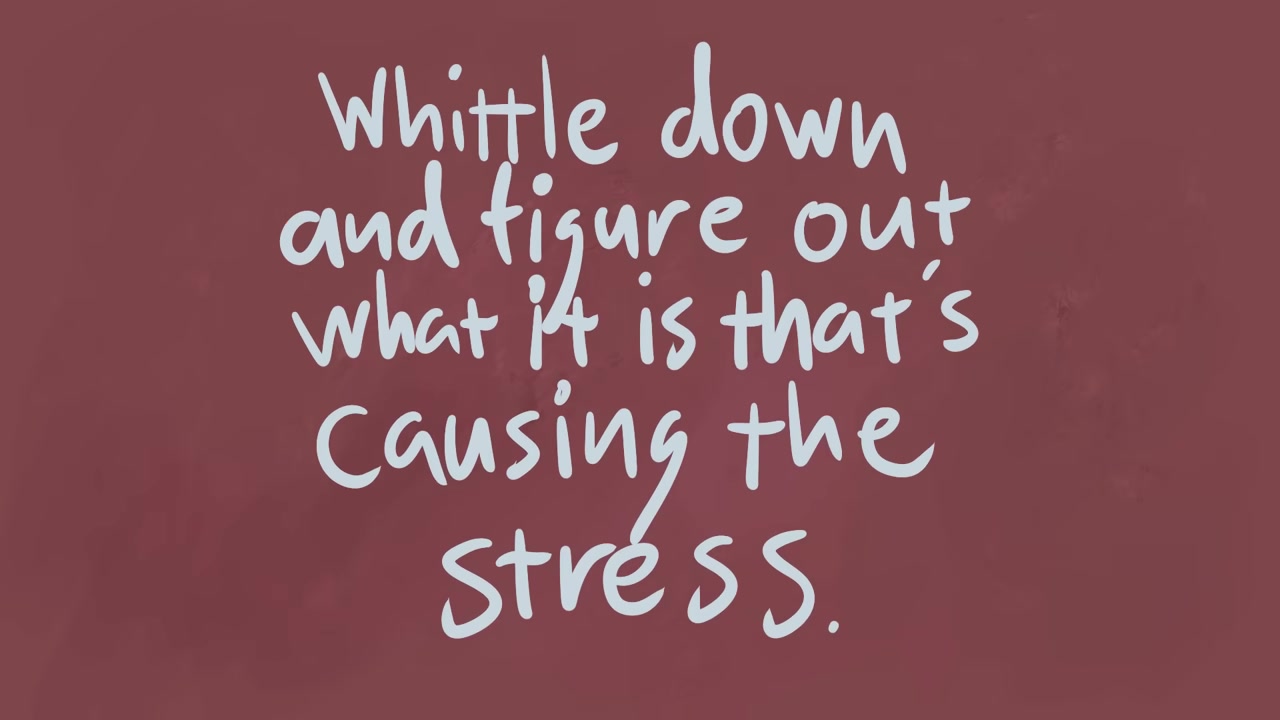
The most common mistake people in burnout make is lumping everything together: "This job is stressful." But the job itself is rarely the actual problem. When you peel back the layers, entirely different causes are often hidden beneath.
Consider this example: "This assignment is stressful, I can't finish it." But stepping back reveals that the real cause is "I'm stressed about running out of time, and I'm running out of time because I repeatedly chose other activities until 24 hours before the deadline." The assignment was not the problem -- time management and procrastination were.
Developing self-awareness is essential to spotting these patterns. We create far more unnecessary stress for ourselves than we realize. The crucial distinction here is that avoiding a stressor is not the same as avoiding responsibilities. You still need to do the work, but you do not have to do it in a stressful way. Restructuring the process -- that is the key.
"Avoiding a stressor is not the same as avoiding responsibilities. A responsibility needs to be done, but you don't have to go about doing it in a stressful manner."
"We sometimes build a whole lot of unnecessary stress for ourselves."
How to apply: Pick one thing stressing you right now and determine whether the task itself is the problem or whether the way you are handling it is the problem. Writing it down makes the distinction much clearer.
2. You Must Complete the Stress Cycle All the Way to Beat Burnout
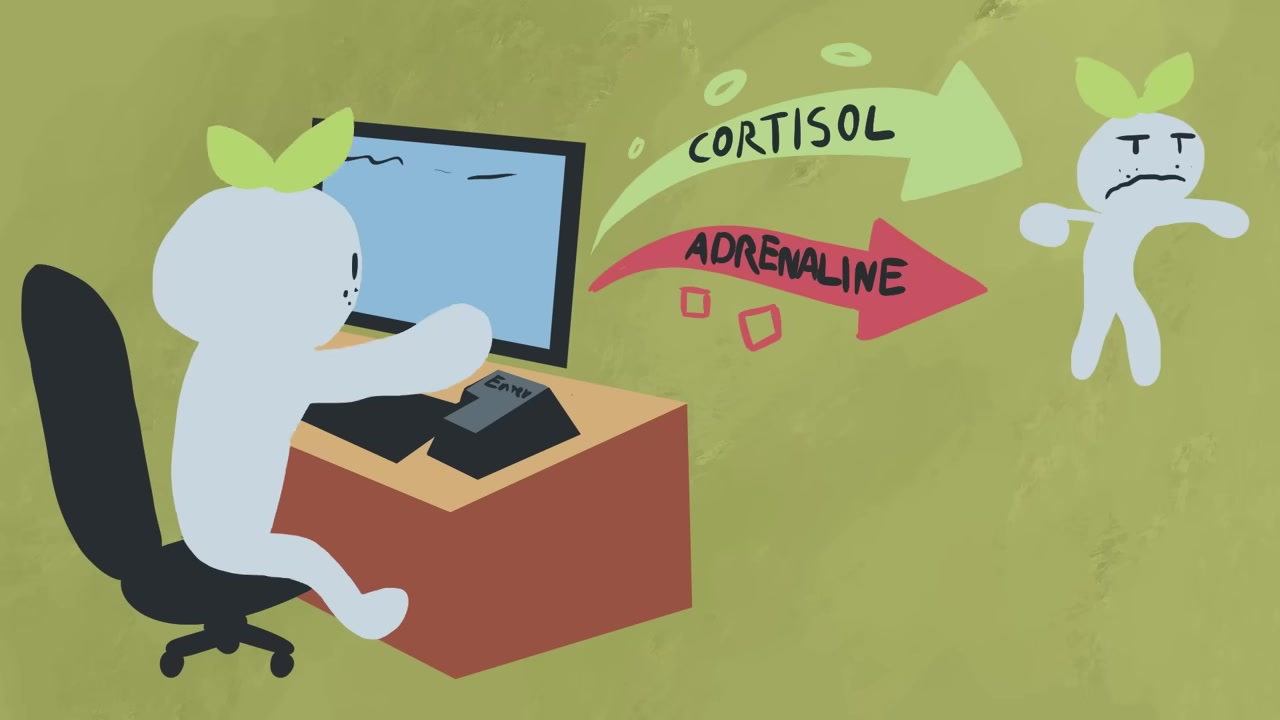
"Completing the stress cycle" might sound unfamiliar. Here is a simple explanation. When you experience stress, your body releases cortisol and adrenaline, triggering the fight-flight-freeze survival response. The problem is that when this response starts but never finishes, the resulting state is burnout.
Dr. Emily Nagoski and Amelia Nagoski systematized this concept in their book "Burnout: The Secret to Unlocking the Stress Cycle." The core insight is clear: eliminating the stressor does not eliminate the stress. You must "complete" the stress response already activated in your body. It is like treading water in the worst spot instead of swimming to shore.
Many people turn to impulsive relief -- binge eating, drinking, binge-watching. But this provides only temporary, superficial relief. To truly complete the cycle, you need activities like mindful breathing, exercise, crying, or emotional connection with others. The Nagoski sisters' research shows physical activity is most effective because it naturally burns off the adrenaline released during the stress response.
"Burnout occurs because of prolonged, unending stress. It's essentially constantly treading water in the worst spot and never swimming to shore for rest."
"That impulsive action provides temporary, superficial relief, just enough to fool many of us into thinking we're all good now."
How to apply: After work today, complete a "stress cycle completion" routine -- 15 minutes of walking, stretching, or your favorite exercise.
Tools mentioned:
- Burnout: The Secret to Unlocking the Stress Cycle - Emily and Amelia Nagoski's guide to completing the stress cycle
3. Weekend Catch-Up Sleep Is a Myth: Sleep Debt Can Never Be Repaid
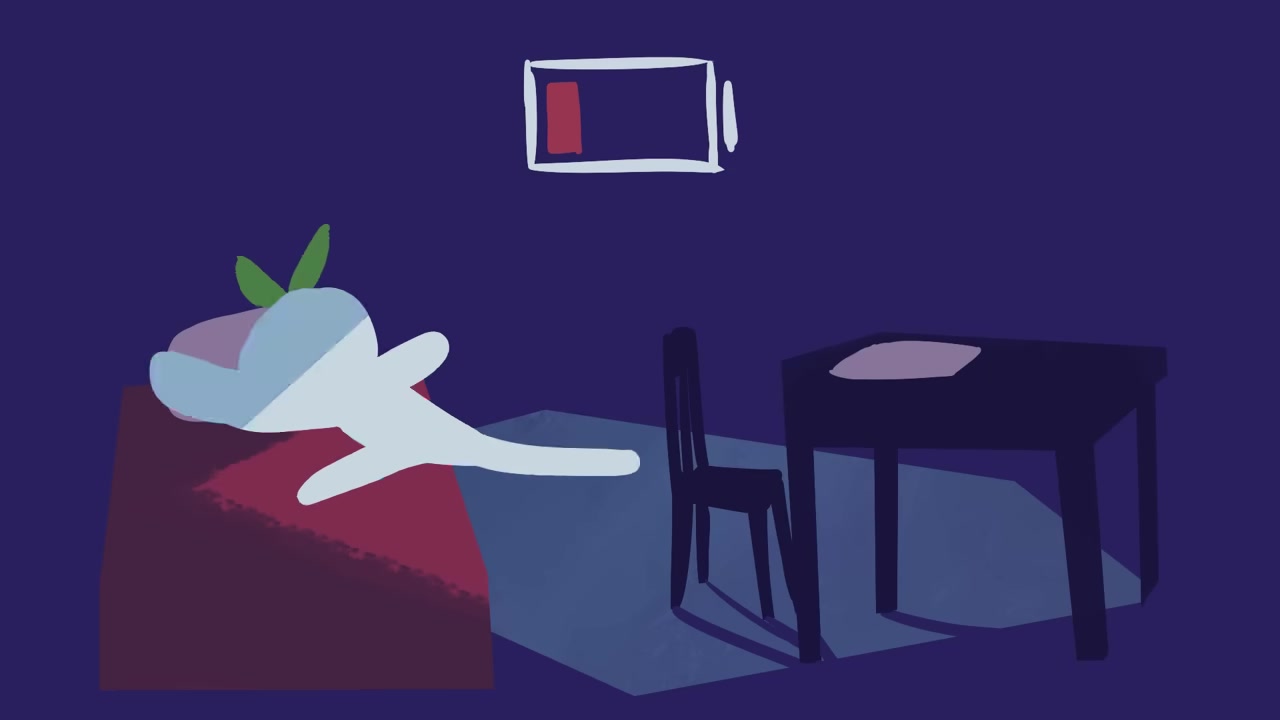
Everyone knows sleep is important. Yet we sacrifice it first. "I'll work late tonight and catch up on the weekend" -- be honest, we have all thought this. But sleep science is ruthless: lost sleep cannot be recovered by sleeping more later. Sleep does not work like a bank account with deposits and withdrawals.
A 2024 study found that sleep quality matters more than sleep duration for burnout prevention. It is not about sleeping longer but completing full sleep cycles including REM. If you wake up feeling refreshed and energized, your sleep is working. If you still feel tired or irritable, there is a quality problem.
This is where "sleep hygiene" becomes critical: no screens 30 minutes before bed, keeping the room dark, cool, and quiet. Adding "sleep prep" makes it even better -- avoiding stimulating content before bed and clearing your mind with a short meditation. The key is finding your own routine through experimentation. There is no universal formula.
"You can't retcon the past sleep you lost by sleeping more in the future."
"Sleep hygiene is good sleep practices, like no screens 30 minutes before bed, and the room being dark, cool, and silent."
How to apply: Starting tonight, implement a "screens off 30 minutes before bed" rule. Switch to a book or meditation app instead.
4. Oxytocin Is More Than a "Happy Hormone": The Science of a Natural Stress Antidote
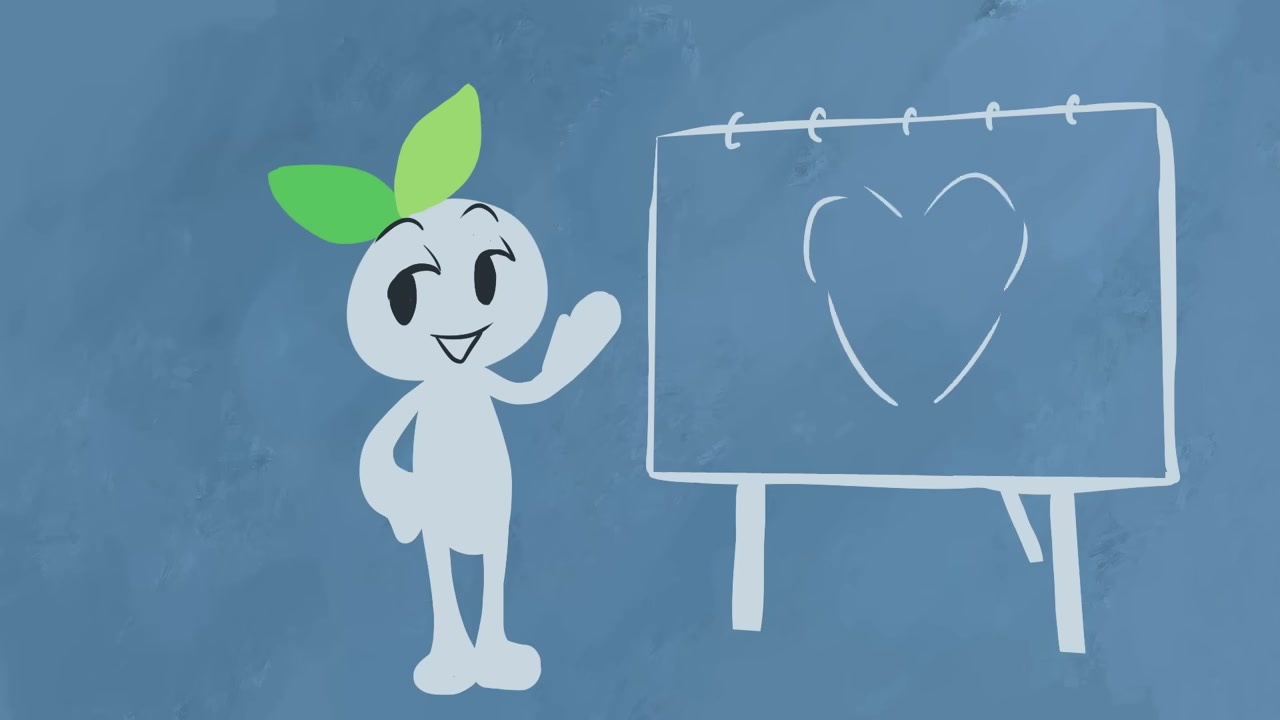
When people hear "oxytocin," they think "love hormone." But recent neuroscience research reveals a far broader role. Studies from 2024-2025 show that oxytocin directly acts on the HPA axis (hypothalamic-pituitary-adrenal axis) to suppress cortisol production. In simple terms, oxytocin is the natural enemy of stress hormones.
What activities trigger oxytocin release? Giving to others, dancing, exercising, and physical contact with pets. The notable pattern is that most of these involve connection with other beings rather than solo activities. Among the "big three happiness hormones" (serotonin, dopamine, oxytocin), oxytocin is the only one rooted in relationships.
The real power of oxytocin lies in its dual effect: it adds happiness while simultaneously subtracting stress and anxiety. A 2024 study in Frontiers in Endocrinology found that the oxytocin system operates in direct opposition to the stress system in an interdependent relationship. In other words, increasing oxytocin naturally reduces stress. Zero cost, zero side effects, and you can start today.
"The activities not only make you happy, but many of the activities can help others be happy too."
"Oxytocin gives happy and deducts stress and anxiety. Win-win."
How to apply: Choose one oxytocin booster for this week: buy a colleague coffee, cuddle with your pet for 10 minutes, or dance to your favorite music.
5. The Moment You Feel Guilty About Self-Care, Burnout Has Already Begun
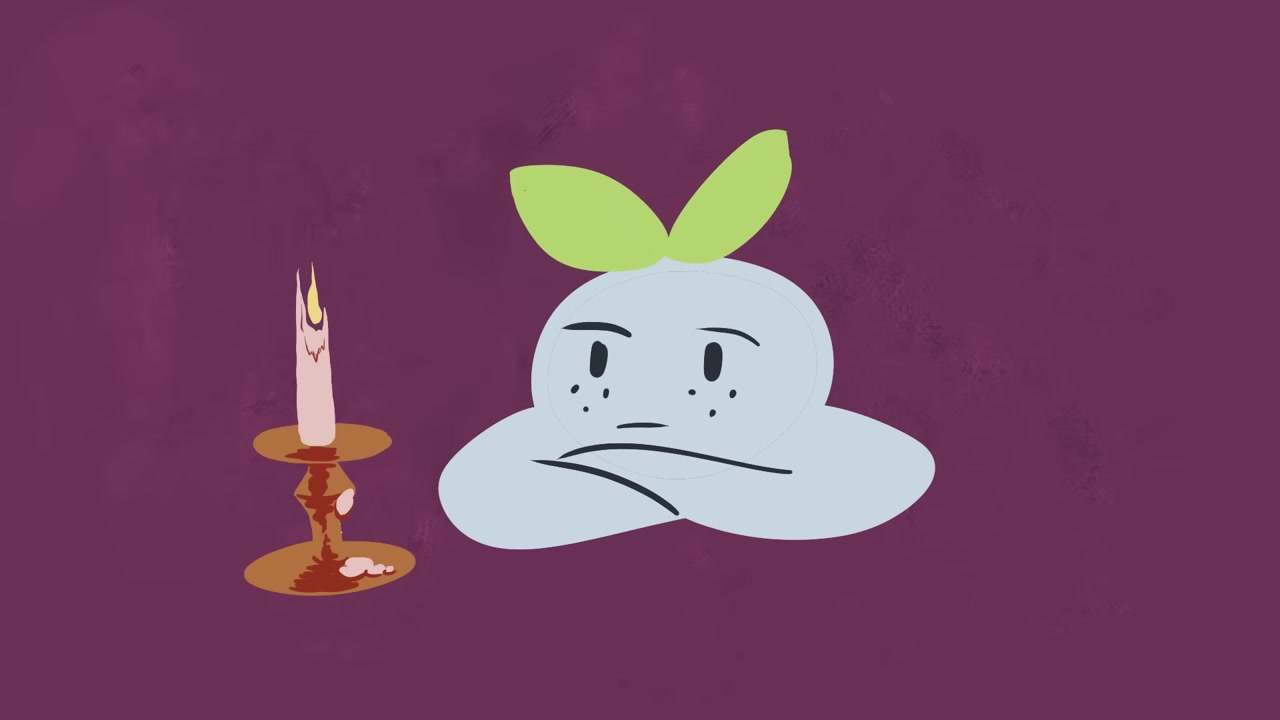
When you tell someone in burnout to "take a break," the response is almost always the same: "I don't have time for that" or "There are more important things to do." This reaction is itself one of the root causes of burnout -- feeling guilty about self-care or prioritizing external achievements over your own health.
Dr. Kristin Neff's self-compassion research is central here. According to Neff and Christopher Germer's 2024 book "Mindful Self-Compassion for Burnout," self-criticism and perfectionism worsen burnout, while self-compassion creates the entry point for recovery. Studies consistently show that caregiving professionals (healthcare workers, teachers, social workers) with higher self-compassion have significantly lower burnout rates.
The bottom line is simple. You are the most important thing to you. If your health collapses, no achievement has meaning. Burnout is ultimately the result of sacrificing your own care for the pursuit of external rewards -- whether that pressure comes from yourself or your boss. Self-care is not a luxury; it is the basic infrastructure for sustainable performance.
"Never feel that tending to your own health is a waste of time, or that you could be doing something more important. You are the most important thing to you."
"Nothing is worth your health. And you deserve to be happy, no matter how much the bottom line is going to affect quarterly profits."
How to apply: Block at least three 30-minute "me time" slots on your calendar this week. Walking, reading, or doing nothing at all -- all valid options.
Tools mentioned:
- Mindful Self-Compassion for Burnout - Kristin Neff and Christopher Germer's self-compassion practice guide for burnout
Action Checklist
Today:
- Write down the "real root cause" of your current stress (surface vs. root)
- Implement "screens off 30 minutes before bed" tonight
- Complete a stress cycle with 15 minutes of walking or stretching after work
This week:
- Block three 30-minute "me time" slots on your calendar
- Check your sleep environment: room temperature, lighting, noise -- improve one thing
- Choose one oxytocin booster activity and do it for 3 consecutive days
Long-term:
- Establish a daily "stress cycle completion" routine (exercise or meditation)
- Optimize sleep hygiene + sleep prep routine (find your personal combination)
- Practice self-compassion: read "Mindful Self-Compassion for Burnout" and integrate 3 key practices into daily life
Reference Links
Source Material
- How to Deal with Burnout - Psych2Go (6:31)
Related Tools
| Tool | Purpose | Price | Link |
|---|---|---|---|
| Burnout: The Secret to Unlocking the Stress Cycle | Emily and Amelia Nagoski's stress cycle theory guidebook | 13.79 USD (paperback) | Visit |
| Mindful Self-Compassion for Burnout | Kristin Neff and Christopher Germer's self-compassion workbook (2024) | 19.95 USD | Visit |
| Psych2Go | Psychology articles, quizzes, and resources | Free | Visit |
Related Resources
- Burnout: The Secret to Unlocking the Stress Cycle (Nagoski) - The original text on stress cycle completion theory
- Feeling emotionally exhausted? 6 things you can do (TED Ideas) - TED's guide to 6 methods for completing the stress response cycle
- Self-Compassion Research (Kristin Neff) - Comprehensive archive of self-compassion research
- Employee Burnout Statistics 2026 (Meditopia) - Global burnout statistics report (2026)
Fact-Check Sources
- Burnout officially recognized by WHO: https://www.who.int/news/item/28-05-2019-burn-out-an-occupational-phenomenon-international-classification-of-diseases
- Lost sleep cannot be recovered by sleeping more later: https://www.sleepfoundation.org/sleep-hygiene/good-sleep-and-job-performance
- Oxytocin reduces stress and anxiety: https://www.frontiersin.org/journals/endocrinology/articles/10.3389/fendo.2024.1272270/full
Questions to Consider
What is really draining you the most right now? And what is the "real cause" behind it?
After your last stressful experience, did you actually "complete" the stress cycle -- or did you just turn to Netflix or social media for temporary relief?
Do you feel guilty when you spend time on self-care? Where does that guilt come from?
Key Takeaways
- 1Write down the "real root cause" of your current stress (surface vs. root)
- 2Implement "screens off 30 minutes before bed" tonight
- 3Complete a stress cycle with 15 minutes of walking or stretching after work
- 4Block three 30-minute "me time" slots on your calendar
- 5Check your sleep environment: room temperature, lighting, noise -- improve one thing
- 6Choose one oxytocin booster activity and do it for 3 consecutive days
- 7Establish a daily "stress cycle completion" routine (exercise or meditation)
- 8Optimize sleep hygiene + sleep prep routine (find your personal combination)
- 9Practice self-compassion: read "Mindful Self-Compassion for Burnout" and integrate 3 key practices into daily life
Want to read this later?
Save this insight to access it anytime
Original Video
번아웃 극복의 과학: 직장인 66%가 경험하는 정서적 탈진, 5가지 회복 전략